Sacks and Seneca


A very autumnal feel to this week; in lots of different ways. It’s back to school for all of us: big school for one; a new class for the other; and very soon a whole new place of work for me.

As the kids accelerate forwards, I’ve been mostly looking back this week; at eight years of corporate memory. I’m methodically archiving, filing and mostly deleting my electronic back catalogue. No-one else is going to be that interested. Little that has been done before works exactly the same way again. 

But what sticks – looking at the better part of a decade of pronouncements, presentations, reviews, restructures and change programmes – is that many things have got a whole lot better; but the fundamental issues have hardly changed at all. 

And perhaps that’s the lesson, as I move onto the next; and next week clock up another year closer to 50… most of the big things in human affairs stay pretty much the same over the sweep of history.

A wise associate of mine, sent me the later life and closing thoughts of Oliver Sacks yesterday, from the New York Times; here:

The joy of old age (no kidding).

And 

My own life 

I replied:

“These are incredibly moving. This is how I want to live my older years and then ‘rise, satisfied, from the banquet of life’ as Seneca had it. This is the most important and defining thing of all – how we face death and then make the most of life.”

Easier said than done of course – and shame on me; the ‘banquet of life’ is Aristotle’s quote: 

“It is best to rise from life as from a banquet, neither thirsty nor drunken.”

But Seneca’s reflections ‘on the shortness of life’, precised here, are timeless too:

 Why do we complain of Nature? She has shown herself kindly; life, if you know how to use it, is long. 

But one man is possessed by an avarice that is insatiable, another by a toilsome devotion to tasks that are useless; one man is besotted with wine, another is paralyzed by sloth; one man is exhausted by an ambition that always hangs upon the decision of others, another, driven on by the greed of the trader, is led over all lands and all seas by the hope of gain; some are tormented by a passion for war and are always either bent upon inflicting danger upon others or concerned about their own; some there are who are worn out by voluntary servitude in a thankless attendance upon the great; many are kept busy either in the pursuit of other men’s fortune or in complaining of their own; many, following no fixed aim, shifting and inconstant and dissatisfied, are plunged by their fickleness into plans that are ever new; some have no fixed principle by which to direct their course, but Fate takes them unawares while they loll and yawn—so surely does it happen that I cannot doubt the truth of that utterance which the greatest of poets delivered with all the seeming of an oracle: “The part of life we really live is small.” For all the rest of existence is not life, but merely time. 

Ask about the men whose names are known by heart, and you will see that these are the marks that distinguish them: A cultivates B and B cultivates C; no one is his own master. And then certain men show the most senseless indignation—they complain of the insolence of their superiors, because they were too busy to see them when they wished an audience! But can anyone have the hardihood to complain of the pride of another when he himself has no time to attend to himself? After all, no matter who you are, the great man does sometimes look toward you even if his face is insolent, he does sometimes condescend to listen to your words, he permits you to appear at his side; but you never deign to look upon yourself, to give ear to yourself. There is no reason, therefore, to count anyone in debt for such services, seeing that, when you performed them, you had no wish for another’s company, but could not endure your own.   

Wise words.
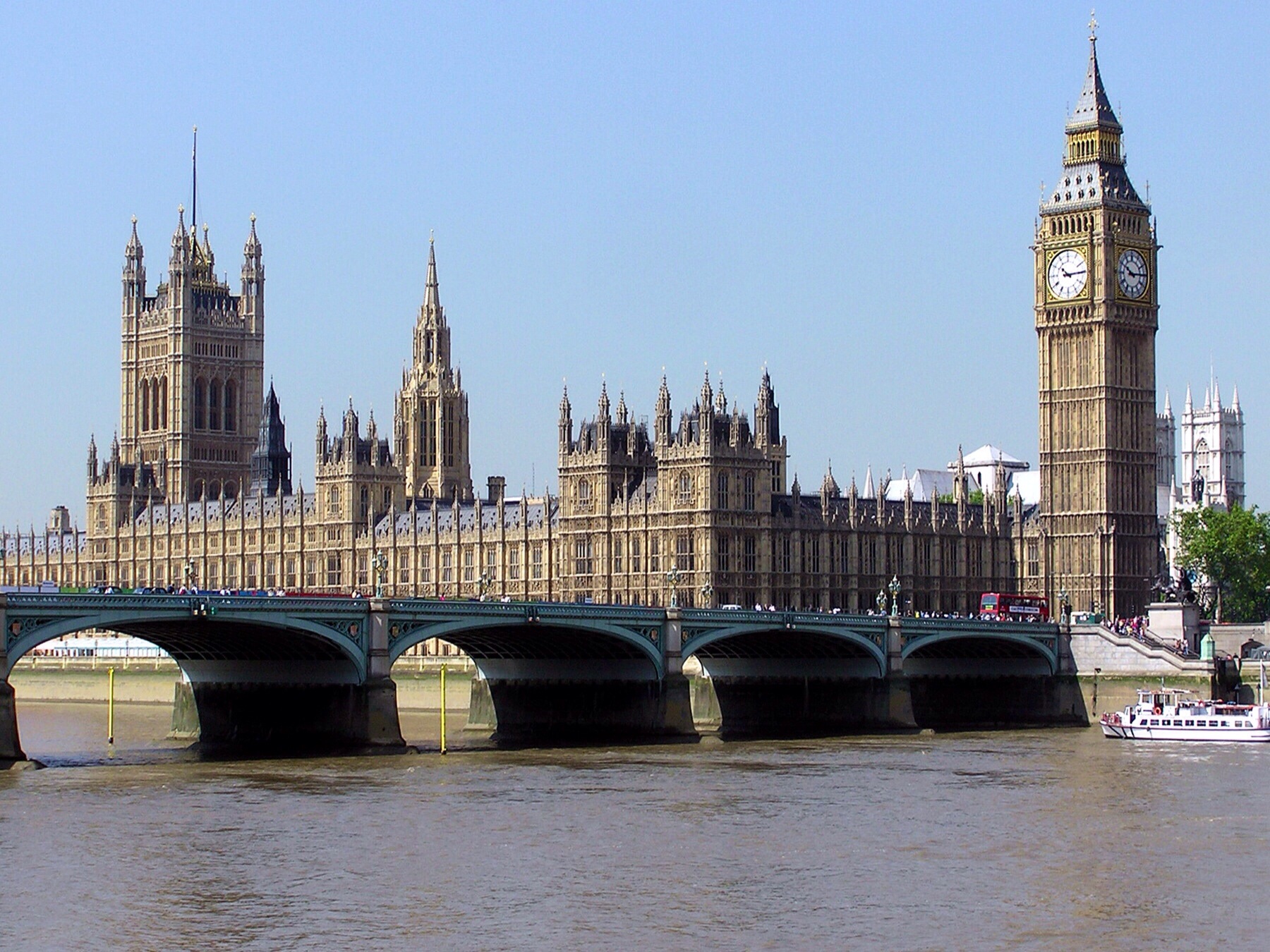
The Houses of Parliament

20140315-095304.jpg

Every morning, close to the end of my cycle to work, Westminster Bridge looms ahead. Hardly Mount Ventoux the Tour de France killer but still a thigh sapping incline, before the crest and lethal descent…

Why a lethal descent? Two lanes into three, accelerating downhill, buses cutting across from the inside to the right turn filter, rubble trucks, taxis, motorbikes and assorted cyclists of all abilities – plus three lanes of fast oncoming. Every morning I look at it and think: if I am to day today it will be here. RIP.

Still I’ve survived it for over a decade, so chin up. And a daily reminder of how trivially it could all end helps with Nietzsche’s injunction to ‘live as a work of art’ and Sartre’s to ‘own’ our uniqueness. Wise words.

But the best bit of briefly reprising Tommy Simpson’s epic climb of Ventoux, is the cresting of Westminster Bridge as the Houses of Parliament emerge from the brow of the artificial hill.

What majesty, what poesy, what flights of fancy in decor. Low spring sun glints off the leaded windows and lights the gold adornments. Summer breezes flutter the Union Jack proudly. Even winter fogs progressively reveal its Victorian aspect and evoke ‘pea soupers’ of the Industrial Age.

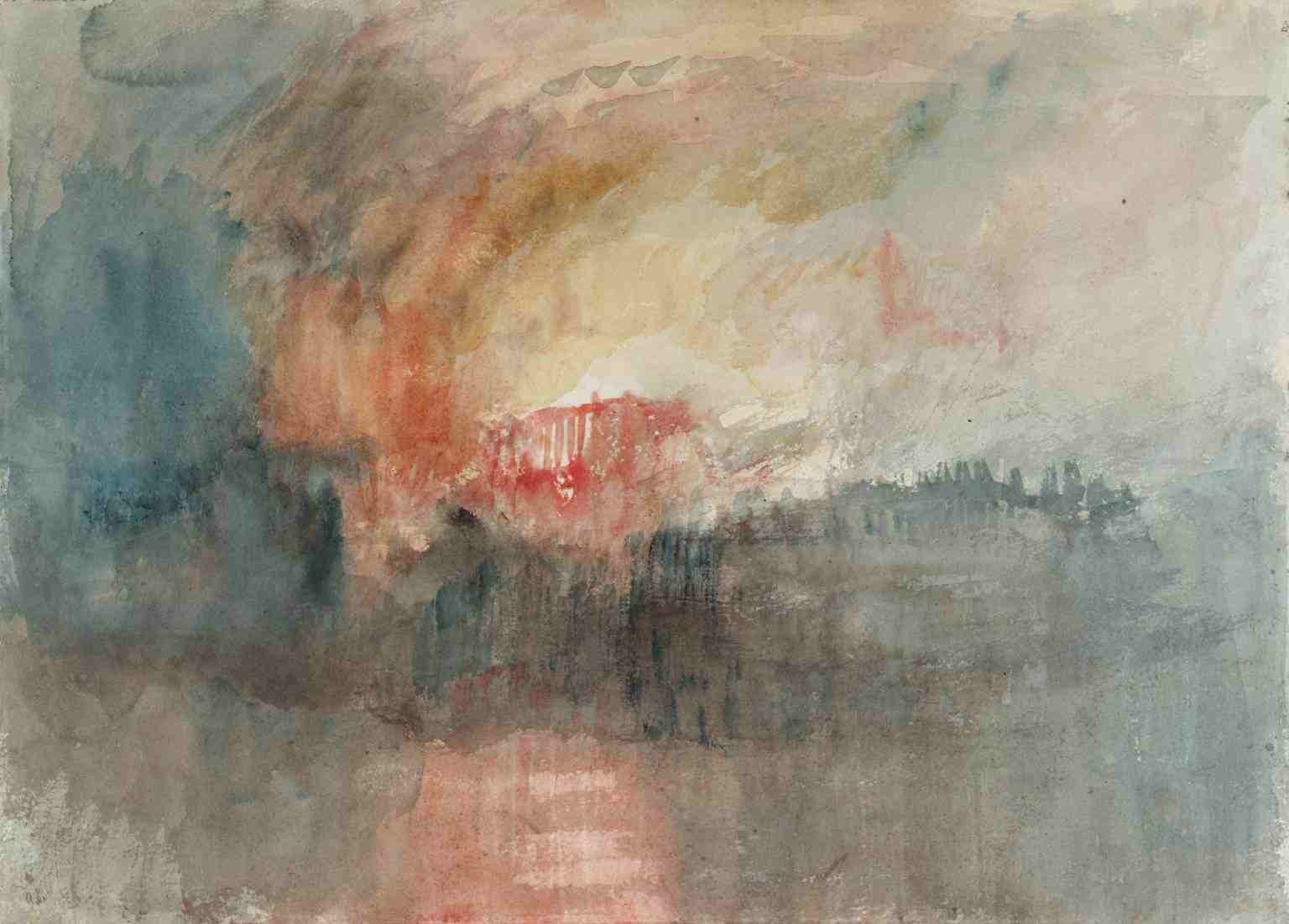
Turner saw the original burn (his painting from the Tate above) but what a Phoenix rose from those ashes. It cheers me every day and keeps me pedalling in sun, rain or showers.

20140315-105217.jpg

Good Honest Pain

20130922-141749.jpg

Funny, I do find there’s a big big difference between ‘good honest pain’ and the dolorous pain of disease or decay.

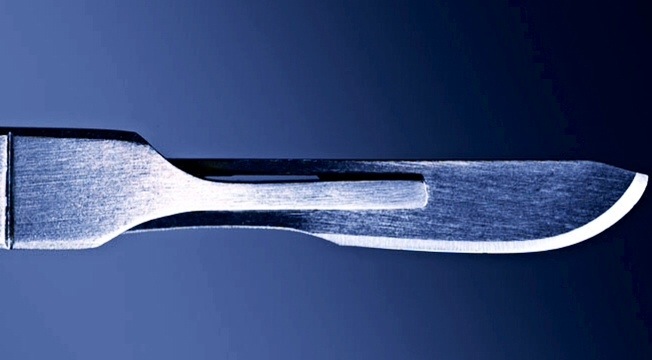
A nice deep cut, bruise or surgical scar is a healthily smarting demonstration of the body’s marvellous healing powers. Tooth decay, anything fungal or worst of all tumours, are sickening symbols of decline and fall.

The knife and needle used to scare me, but not these days. Having had various bits lanced, excised and chopped out, you can kept your creams and ointments – nothing beats the clean cut of surgical steel.

Darkness

20130614-193104.jpg

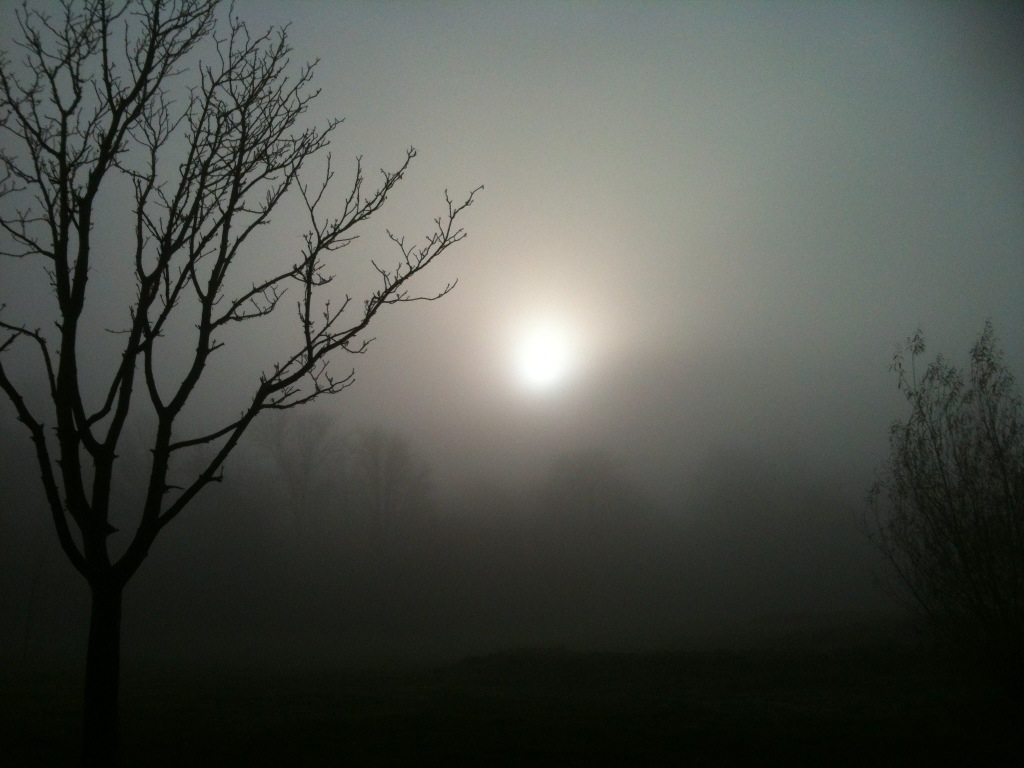
What a spectacularly rubbish week. The kind of week which makes you almost believe there are Greek gods toying with your life.

No-one died, no one got hurt, but the needless jostling of egos and the triumph of the selfish over the selfless leaves me flat as a pancake. Awful.

Clive James explains, forewarns and laments a good deal of what has driven my week in his poem Leçons des ténèbres:

But are they lessons, all these things I learn
Through being so far gone in my decline?
The wages of experience I earn
Would service well a younger life than mine.
I should have been more kind. It is my fate
To find this out, but find it out too late.

The mirror holds the ruins of my face
Roughly together, thus reminding me
I should have played it straight in every case,
Not just when forced to. Far too casually
I broke faith when it suited me, and here
I am alone, and now the end is near.

All of my life I put my labour first.
I made my mark, but left no time between
The things achieved, so, at my heedless worst,
With no life, there was nothing I could mean.
But now I have slowed down. I breathe the air
As if there were not much more of it there

And write these poems, which are funeral songs
That have been taught to me by vanished time:
Not only to enumerate my wrongs
But to pay homage to the late sublime
That comes with seeing how the years have brought
A fitting end, if not the one I sought.

I should have been more kind. It is my fate
To find this out, but find it out too late.

I hope that a time will come when those who have made my week so dire come to contemplate alone the ruins of their faces – and might come to wish they’d also played it straighter in more cases and not just when forced to.

Faith has indeed been broken far too casually. My challenge is not to lessen myself in how I respond.

Winter

20130303-115726.jpg

A bit like being winded by a whack in the solar plexus, this poem takes the wind out of your sails – and leaves you gasping.

Clive James’s wit and humour of have always been rapier sharp. But here, his acute observations on his own chronic decline are both a curse and a redemption.

If I appear to be on a morbid streak, I’m not really. But this interminable winter has made me reflect on the seasons of life. I’m ready for another spring in my summer years, so good the sun’s out today.

Holding Court

Retreating from the world, all I can do
Is build a new world, one demanding less
Acute assessments. Too deaf to keep pace
With conversation, I don’t try to guess
At meanings, or unpack a stroke of wit,
But just send silent signals with my face
That claim I’ve not succumbed to loneliness
And might be ready to come in on cue.
People still turn towards me where I sit.

I used to notice everything, and spoke
A language full of details that I’d seen,
And people were amused; but now I see
Only a little way. What can they mean,
My phrases? They come drifting like the mist
I look through if someone appears to be
Smiling in my direction. Have they been?
This was the time when I most liked to smoke.
My watch-band feels too loose around my wrist.

My body, sensitive in every way
Save one, can still proceed from chair to chair,
But in my mind the fires are dying fast.
Breathe through a scarf. Steer clear of the cold air.
Think less of love and all that you have lost.
You have no future so forget the past.
Let this be no occasion for despair.
Cherish the prison of your waning day.
Remember liberty, and what it cost.

Be pleased that things are simple now, at least,
As certitude succeeds bewilderment.
The storm blew out and this is the dead calm.
The pain is going where the passion went.
Few things will move you now to lose your head
And you can cause, or be caused, little harm.
Tonight you leave your audience content:
You were the ghost they wanted at the feast,
Though none of them recalls a word you said.

CLIVE JAMES
(First published in the Times Literary Supplement)