Think small


I’ve signed up to a terrific blog from a chap called Eric Barker from UCLA. Loads of great resources, links to thought-provoking books and simple ‘to do’ lists to do more.

This week’s top tip is how to create a habit: 

Think small. Real small. No, even smaller. From Stick with It:

“Focusing on small steps allows people to achieve their goals faster than if they focused on dreams. Focusing on small steps also keeps people happier and more motivated to keep trying because they get rewarded more frequently.”

Simple – I couldn’t agree more. 

This is one of the top lessons from Martin Seligman [as here]. Break stuff up into smaller chunks and you get more stuff done; and feel good about getting more stuff done. Simple. 

Thinking small wins big. Here’s to more from Eric Barker.

Gaia II – Truth and Beauty

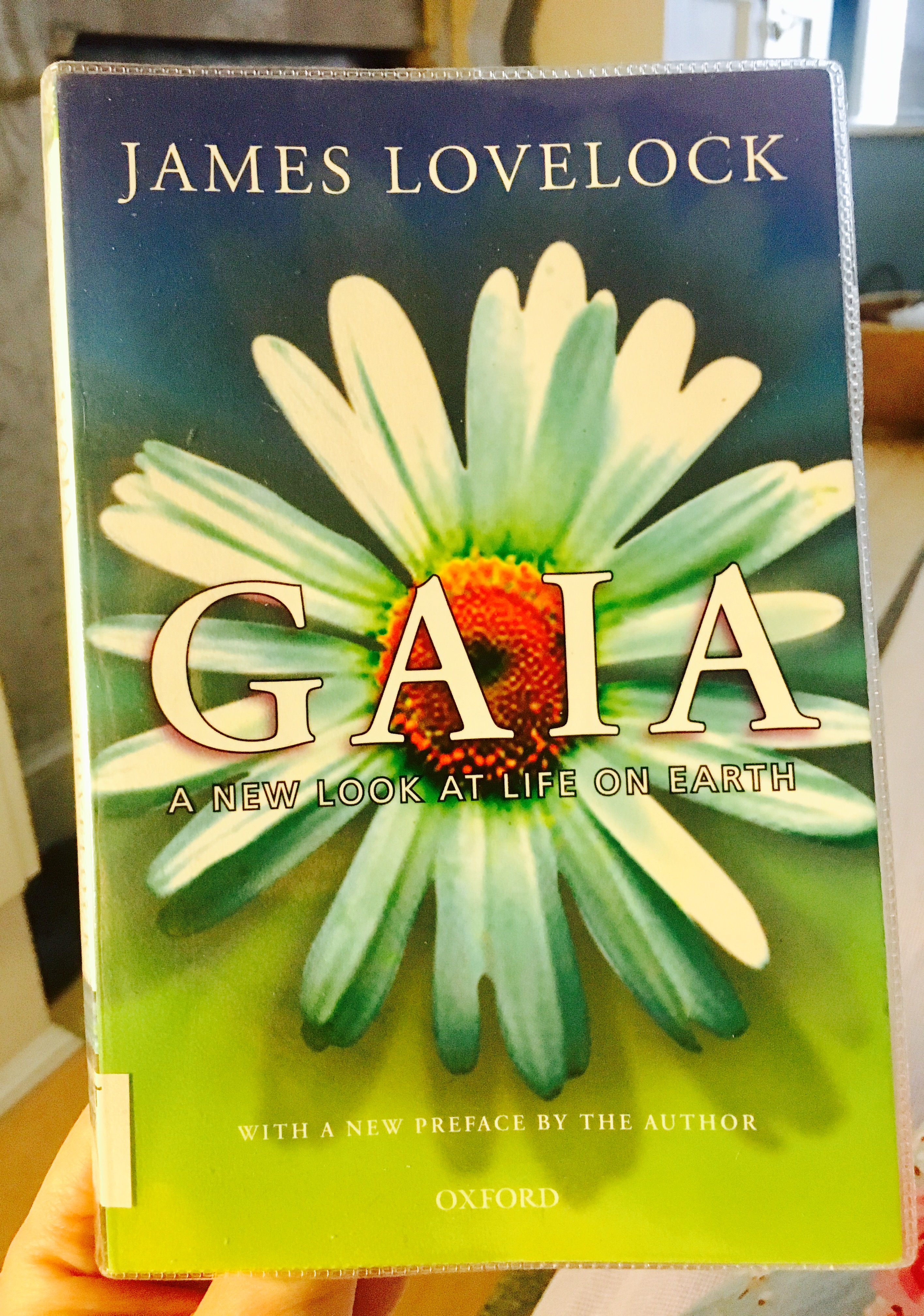
James Lovelock ends ‘Gaia‘ with a rather profound summary: 

To every thing there is a season, and a time to every purpose under the heaven: a time to be born, and a time to die; a time to plant, and a time to pluck up that which is planted.

I returned, and saw under the sun, that the race is not to the swift, nor the battle to the strong, neither yet bread to the wise, nor yet riches to men of understanding, nor yet favour to men of skill; but time and chance happeneth to them 

Beauty is truth, truth beauty – that is all Ye know on earth, and all ye need to know.

I googled for the origins, and should have guessed the first two paragraphs – they are from the King James Bible; Ecclesiastes 3. 

But the third line is interesting too. If indeed ‘beauty’ is the lion’s share of ‘all ye know’ and ‘need to know’ on earth, and ‘truth’ the rest; does this give a simple recipe for the ‘good life’? 

Perhaps not quite that simple. The meaning of this line from Keat’s ‘Ode on a Grecian Urn‘ has been heavily debated down the years.

Still – this week I found from myself looking at nature more intently as a result of Lovelock and Keats. But Lovelock’s own ‘last word’ set me thinking too…

There can be no prescription, no set of rules, for living within Gaia. For each of our different actions there are only consequences.

This connected my with my developing ‘inner Buddhist’. Life takes is course; many thing happened before us and many more will happen after. 

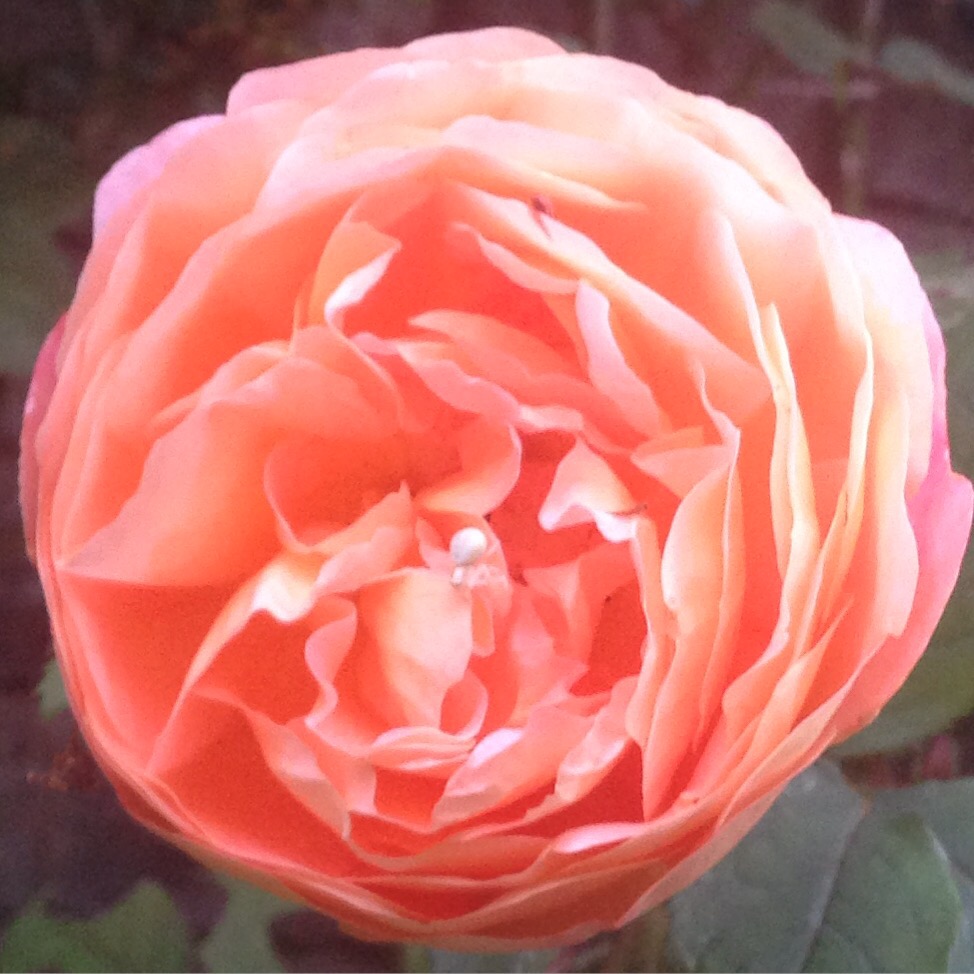
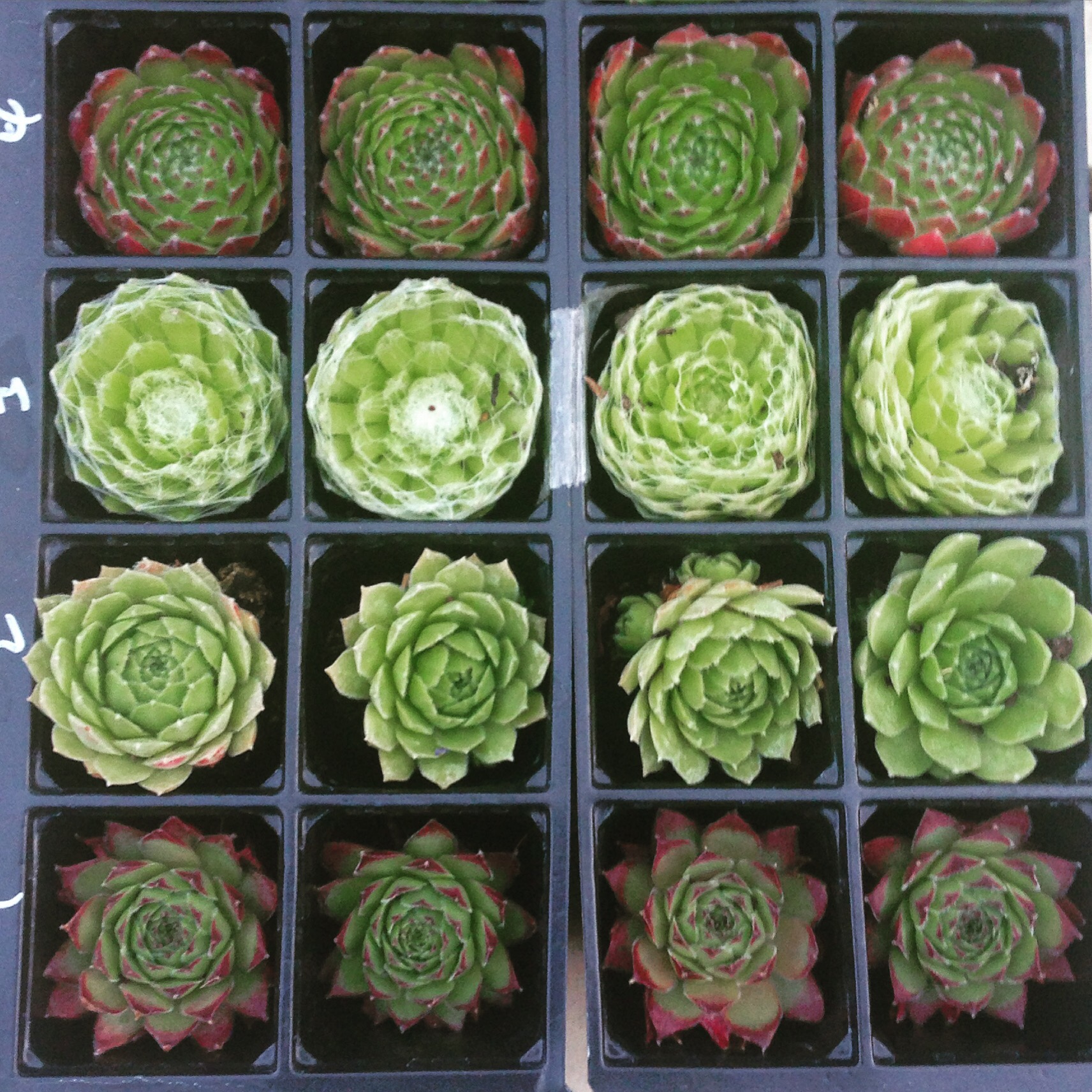
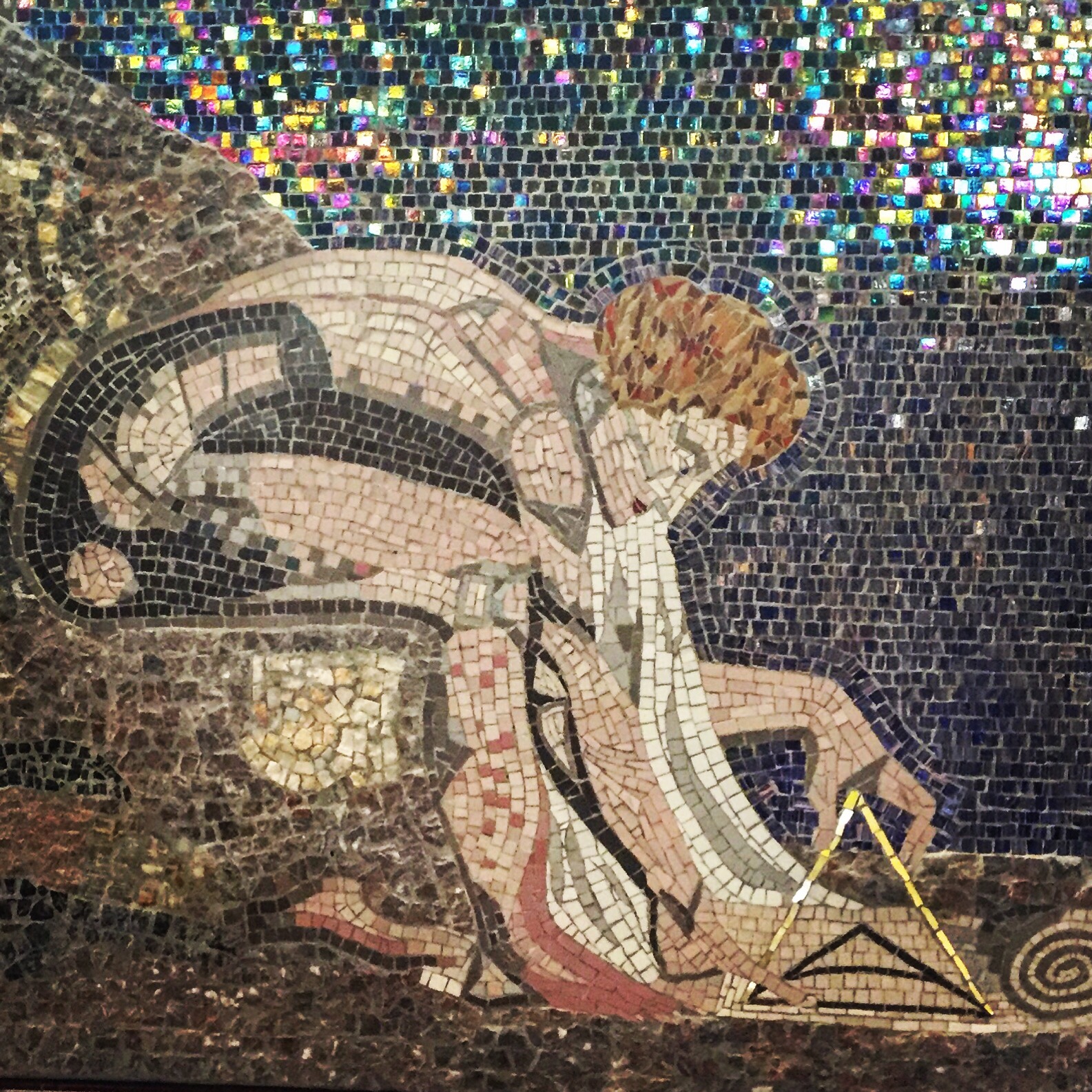
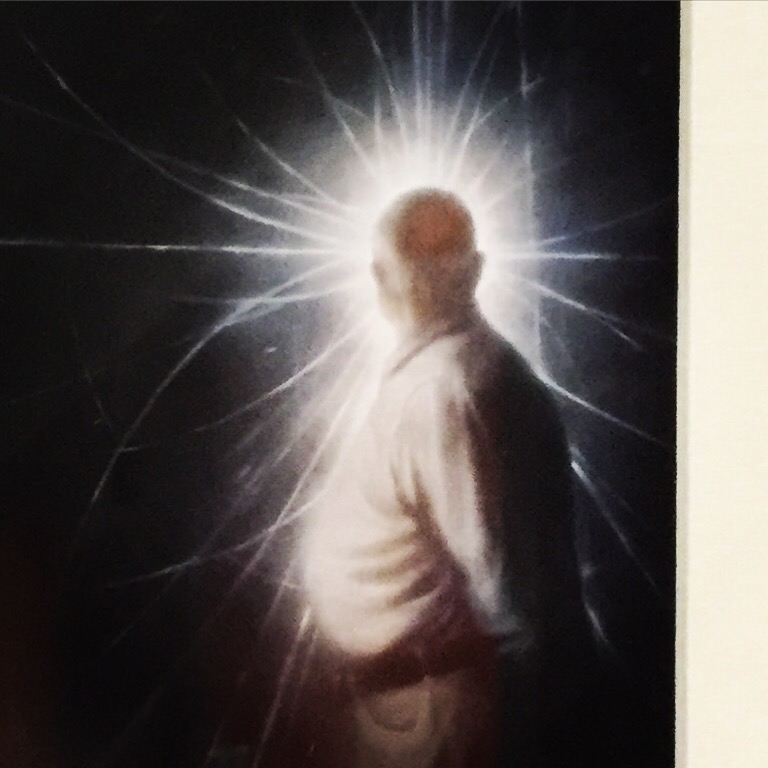
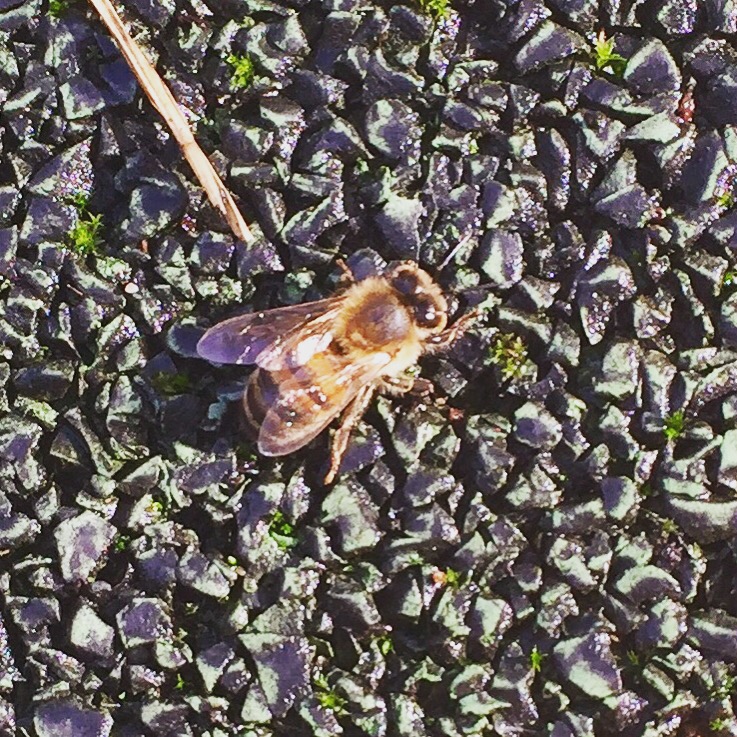
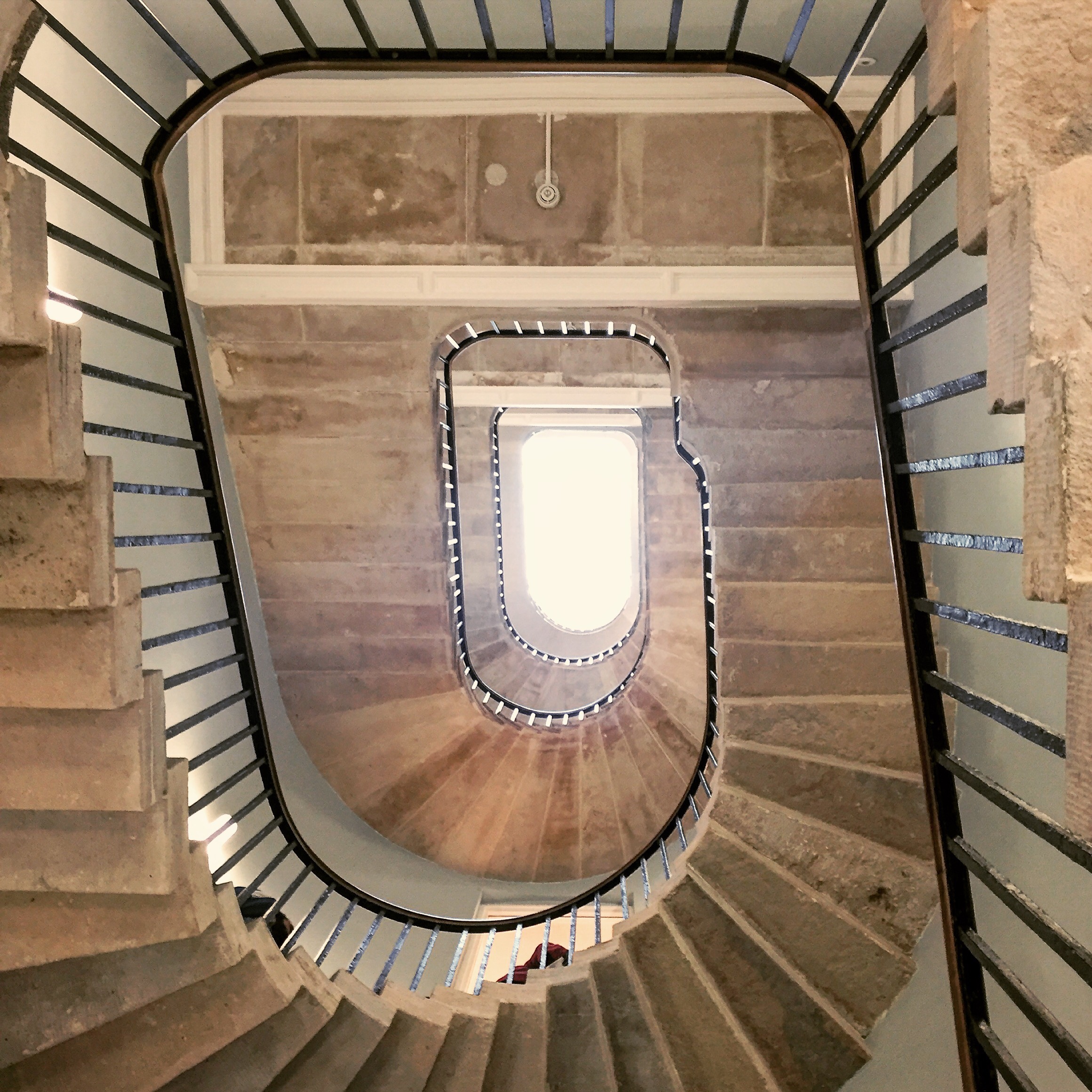
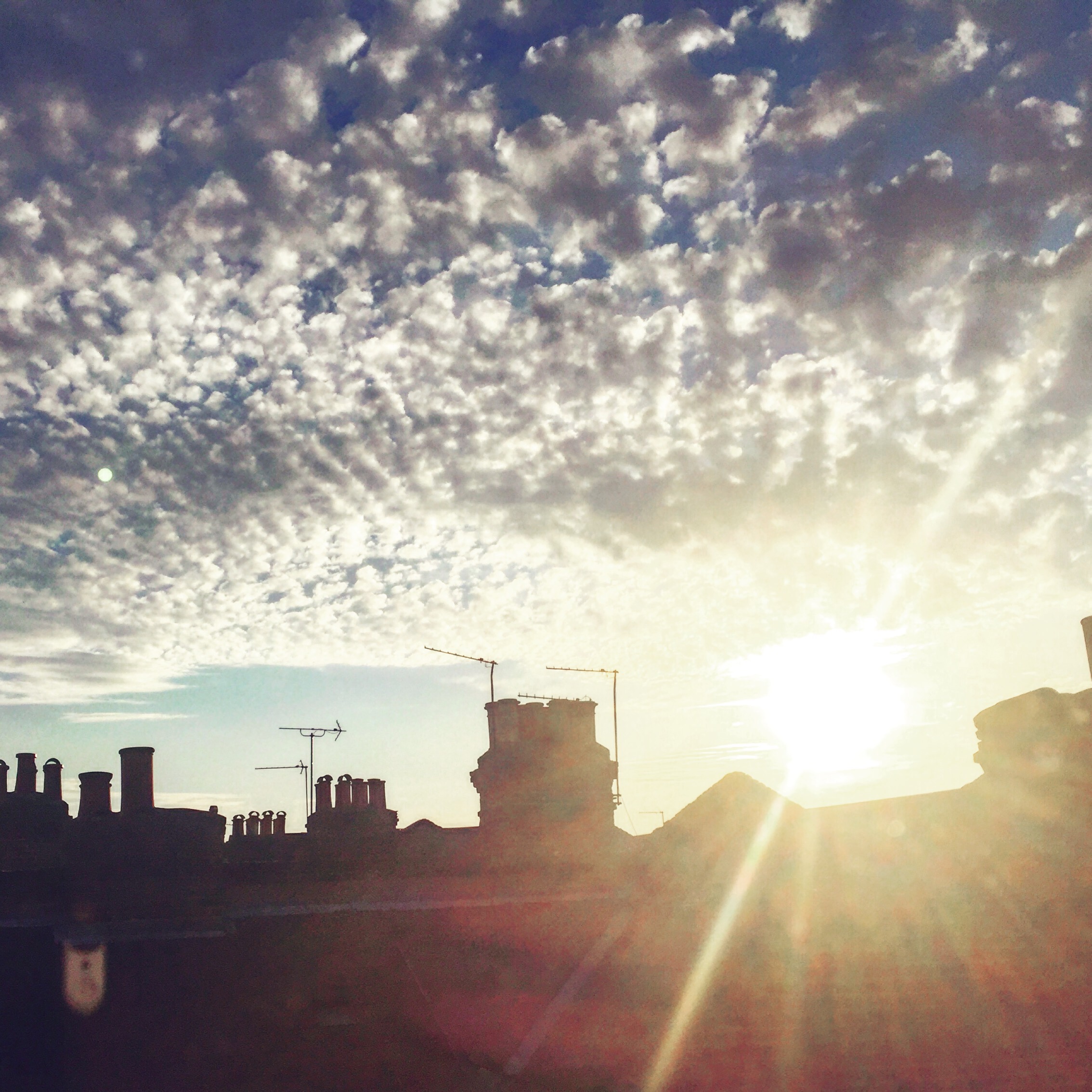
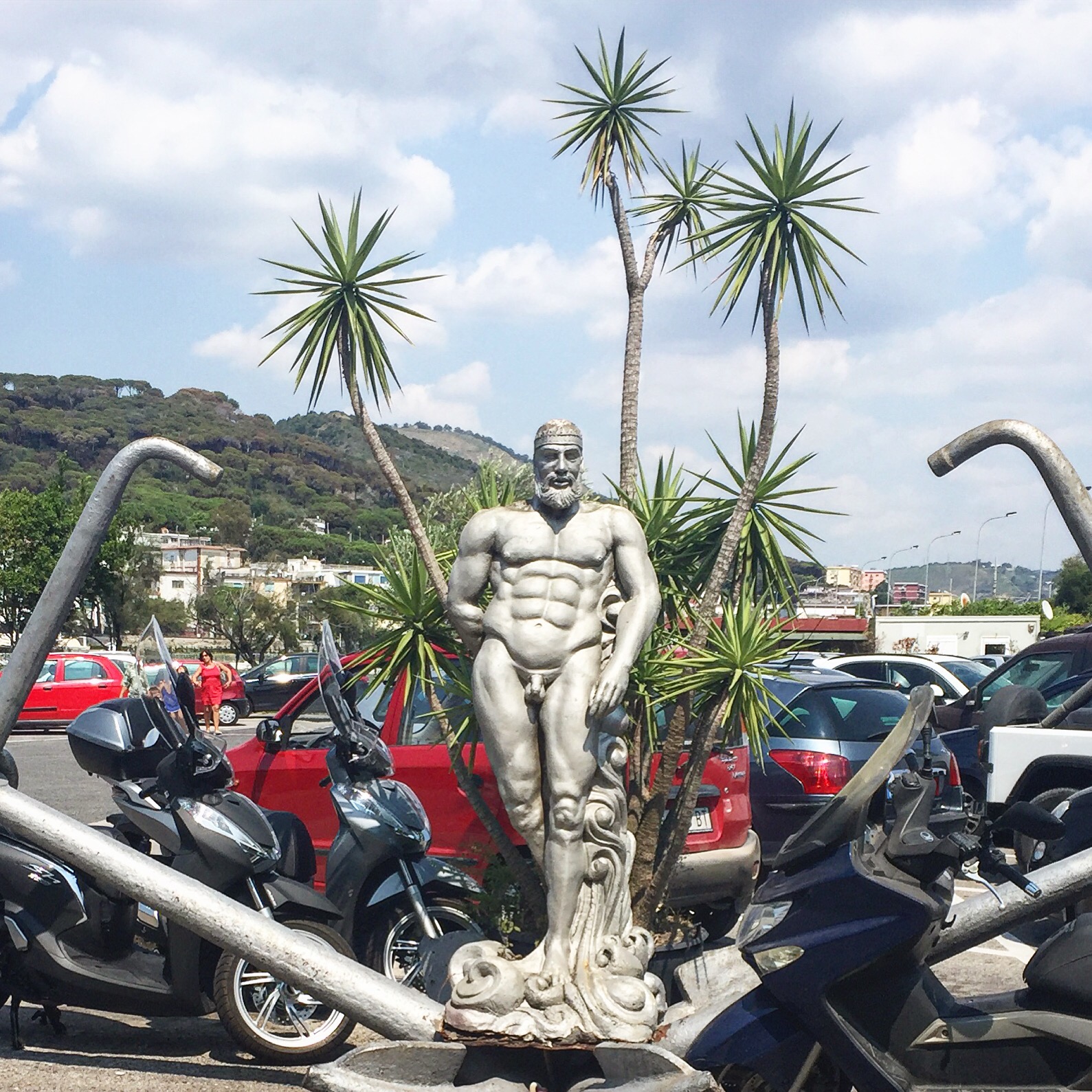
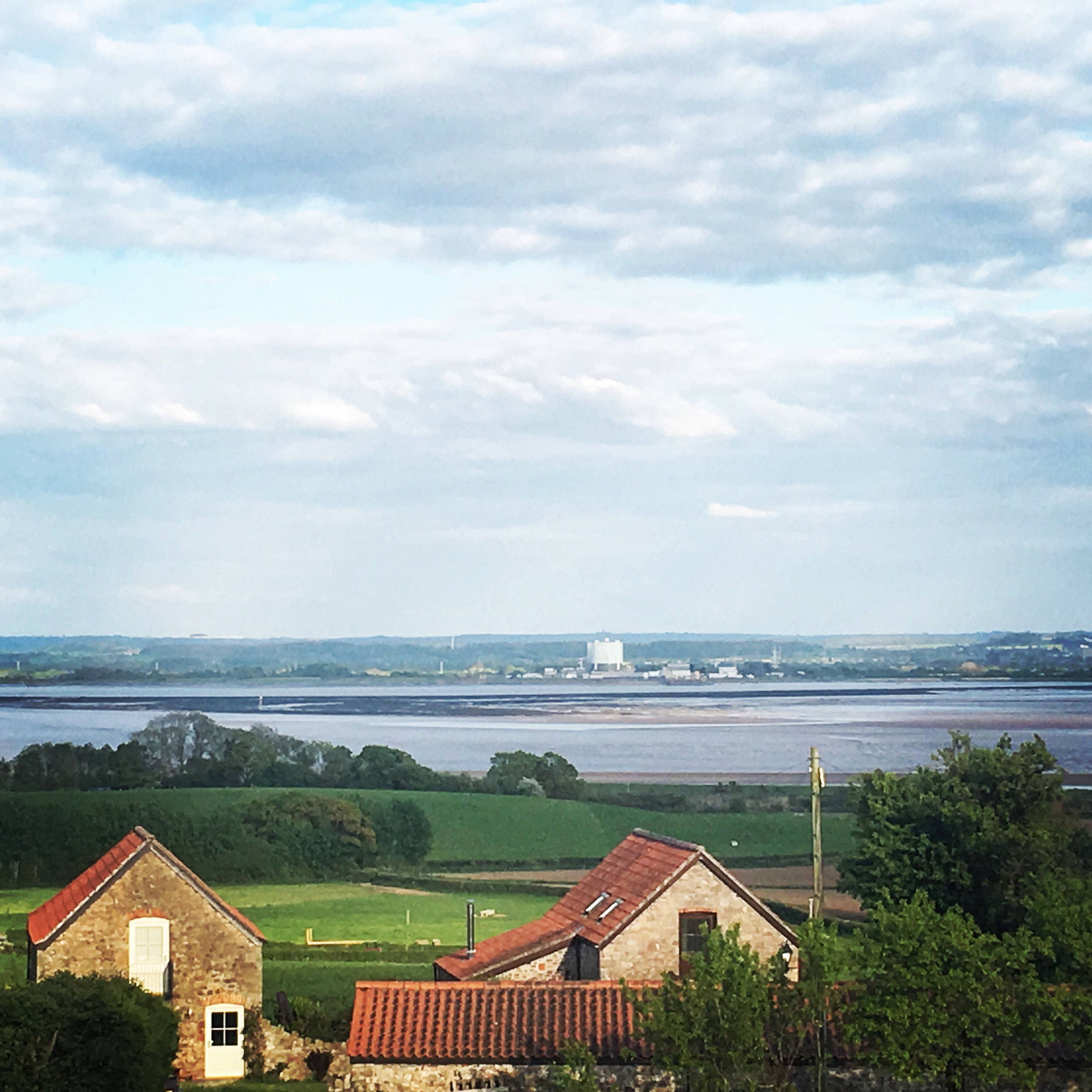
This morning, I scanned my instagram photos from the last few years, to look at what I take photos of… 

Far from exhaustive; but a funny old selection of the beauty of nature, mankind’s profound and profane imprint on it – and our ongoing search for truth…

Truth and beauty might not be such bad guides. 


Ecclesiastes – King James Version 

To every thing there is a season, and a time to every purpose under the heaven:

A time to be born, and a time to die; a time to plant, and a time to pluck up that which is planted;

A time to kill, and a time to heal; a time to break down, and a time to build up;

A time to weep, and a time to laugh; a time to mourn, and a time to dance;

A time to cast away stones, and a time to gather stones together; a time to embrace, and a time to refrain from embracing;

A time to get, and a time to lose; a time to keep, and a time to cast away;

A time to rend, and a time to sew; a time to keep silence, and a time to speak;

A time to love, and a time to hate; a time of war, and a time of peace.

Whatsoever thy hand findeth to do, do it with thy might; for there is no work, nor device, nor knowledge, nor wisdom, in the grave, whither thou goest.

Gaia 


I’m reading James Lovelock’s famous ‘Gaia’ – the first airing of the hypothesis that the planet (and not just we creatures on it) is itself a self-regulating living system.

Lovelock got plenty of stick for this book. A scientist accused of straying into mysticism and anthropomorphism for personalising Gaia as a ‘being’ or a ‘living thing’; not just a bunch of chemical and physical processes.

He freely admits in the later foreword, that he had to write a much more dull and prosaic version to get anywhere with the scientific community. 

It’s one of those books like ‘On the Origin of Species’ which more people will know of than will read. But I’m glad I picked this out of an otherwise lifeless ‘Science’ shelf in the local library. 

It’s a super read. And even allowing for all that has changed in our knowledge and understanding in the 40+ years since it was written; like ‘On the Origin of Species’, you feel you are witness to a remarkable moment of synthesis. A whole array of concepts and ideas join together in one person’s mind and become a new picture on how the entire planet – and possibly the whole of creation works.

The simple facts of how the ‘perfect’ level of of the supremely reactive ‘vital’ ingredient oxygen (21%) is kept in the atmosphere are fascinating. It simply could not and would not be there without deeply interconnected living systems. 

Similarly the seas – without Gaian processes they’d get saltier and saltier within 80 million years; instead of the aeons at a stable 3.5%, which allows half the earth’s biomass to life in three-quarters of its surface.

It’s a terrific read. A moment in historic and scientific time maybe; but as important a science book as has ever struck the popular conscience. It’s also a book which reminds us that the planet we live on is so much more wonderful than we yet understand.

Joy

The rather wonderful Disney kids film ‘Inside Out’ suggests the eponymous ‘Joy’ (above) represents our original childlike state. In the film, the loss of ‘Joy’ deep into the vaults of memory is the bridge to the discovery of the more complex emotions of teen and adult years. 

It’s a lovely film. From our family watching experience, it helps both kids and adults better understand their emotions and personalities.

Interesting then – at the other end of life – to read two famous eighty year olds advocating the same simple emotion. The Dalai Lama and Archbishop Desmond Tutu invite us to do better than ‘happiness’: a rather stolid state of satisfaction; and aim for ‘joy’. 

So what makes for joy? Here’s what The Book of Joy says:

Our ability to cultivate joy has not been scientifically studied as thoroughly as out ability to cultivate happiness. In 1978 psychologists Philip Brickman, Dan Coates and Ronnie Janoff-Bulman published a landmark study that found that lottery winners were not significantly happier than those who had been paralysed in an accident. From this and subsequent work came the idea that have a “set point” that determines their happiness over the course of their life. In other words, we get accustomed to any new situation and inevitably return to our general state of happiness. 

I’ve read this before and there’s good and bad in it, I think. It helps with resilience as you know you’ll get through stuff, but doesn’t lead to much hope for joy; whatever you do you’ll just default back to ‘average’ happiness… But the next para is VERY encouraging:

However, more recent research by psychologist Sonja Lyubomirsky suggests that perhaps only 50% of our happiness is determined by immutable factors like our genes or temperament, our “set point.” The other half is decided by a combination of our circumstances, over which we may have very limited control, and our attitudes and actions, over which we have a great deal of control. According to Lyubomirsky, the three factors that seem to have the greatest influence on increasing our happiness are: 

  1. Our ability to reframe our situation more positively
  2. Our ability to experience gratitude
  3. Our choice to be kind and generous

These are exactly the attitudes and actions that the Dalai Lama and the Archbishop had already mentioned as central pillars of joy.

I realise looking at them that I really started making headway on the three factors in joy in my early forties – not the least through reading and blogging. 

As the saying goes ‘life begins at forty’. Perhaps if you’re lucky the rediscovery of ‘joy’ begins too.

Scienceing the sh1t out of it

I met some old professional friends for an annual reunion yesterday; and was pressed (as we all were) to recount my year. This made me think. 

First what did I want to say, why and to what purpose? Second, write it down (good old Chris Croft at work here again).

So I chose to describe my last year/18 months through five books:

1) Fierce Conversations

Gifted me by some free coaching from my previous employer, I was far more honest than I normally would be in workplace assessment; and was suitably diagnosed as: perfectionist, passive/aggressive and chronically unassertive with a strong tendency to take the problems of the world on my slender shoulders.  

Prescription: more ‘fierce conversations’ to assert my needs and proactively and reasonably manage the expectations of others.  

2) Depressive Illness – The curse of the strong

Faced with the first sight of what my new job entailed, I realised I’d made a horrible mistake… Massive construction projects with big problems, chronically unhappy people, no status, no power, no levers and probably hired as a fall guy. 

A very deep and sudden slump in my mood was explained and then arrested by this priceless little book. And since I’ve helped three other people by buying it for them. 

The essence: if you always work harder when more pressure comes on, and you don’t feel you can escape, you will blow a fuse. Simple and unavoidable; your body does for you what your mind won’t and cuts the power.

Prescription: ‘leave the Hoover in the middle of the room’ as I’ve written before; learn to deliberately leave some tasks undone, and some people potentially disappointed, as the inevitable reality of more demands than you can possibly meet.

3) Learned Optimism

Now this has been a BIG change… having written on it before I won’t rehearse it again.

Prescription: unless you are an Air Traffic Controller or a Loss Adjuster, as Eric Idle famously sang ‘always look on the bright side of life…’

4) The Anatomy of Peace

The simple if obvious discovery, that, nearly everything that happens to you, spirals out from your own attitudes and behaviour towards others. Correcting the behaviour of other people directly (however selfish, antagonistic or hurtful) is impossible; the only way to change things in others is by startling with yourself. 

As I said to someone this week, quoting Oogway from the marvellous Kung Foo Panda: “a man often meets his destiny on the road he takes to avoid it” as here

But I have discovered progressively (since an epiphany half way through this book on our family holiday in Italy last summer) change how you yourself are ‘being’ and everything else changes for the better. 

Prescription: stop trying to correct things in others and invest in listening, understanding and accommodating them.

5) The BIG Book of Happiness – 87 Practical Ideas

My current favourite – there’s just so much to learn from this as here

Having reeled of my five books and the linking story, one of my pals said: ‘it’s quite impressive how you’ve analysed, researched and read stuff and figured out a way through all this.’

That struck me as very kind. I’d simply thought of it as ‘installing new upgrades’ and a few ‘power ups’ as my son would say. 

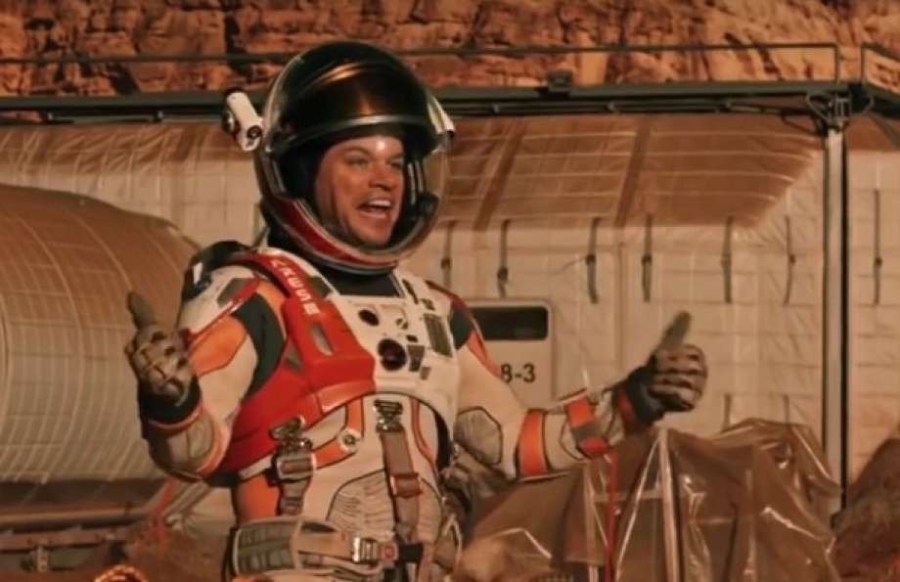
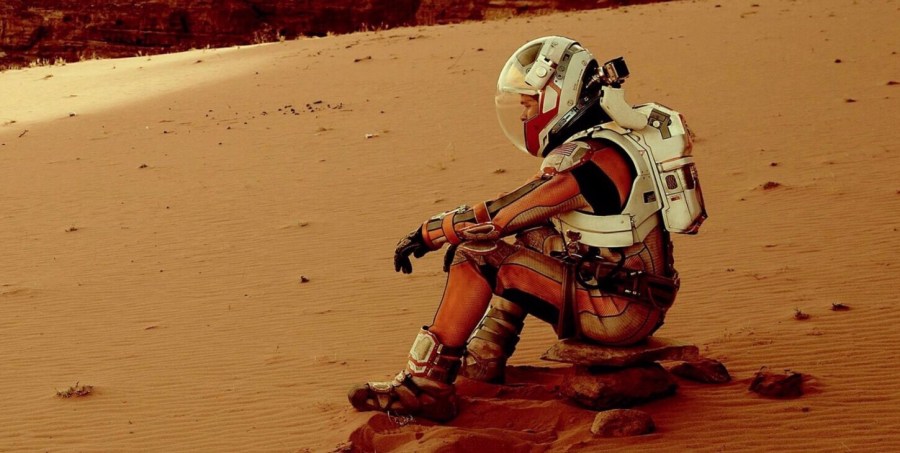
But on reflection later in the day, I concluded I’ve largely followed Matt Damon’s advice from ‘The Martian’ when he was faced with a hostile climate and a low apparent chance of survival – I’ve scienced the sh1t out of it.