Pieper on Prudence

Josef Pieper turns out to be my kind of ethicist: straightforward, practical and direct.

What he sets out on ‘prudence’ (aka Thomas Aquinas’s prudentia or ‘practical wisdom’) chimes entirely with what I think ‘good’ looks like in working life.

Here’s what Pieper has to say:

The first prerequisite for the perfection of “prudence” is providentia, foresight.

By this is meant the capacity to estimate, with a sure instinct for the future, whether a particular action will lead to the realization of the goal.

But foresight is often something you ‘feel’ and can be hard to explain to young idealists, literal-minded folk and powerful ideologues.

A reasonable sense of what will work (and won’t) is like a sixth sense. It’s not about ease or difficulty; it’s a ‘felt sense’ of a workable path through.

As Pieper points out:

At this point the element of uncertainty and risk in every moral decision comes to light.

In the decisions of which by their very nature prudence is concerned; with things concrete, contingent, and future (singularia, contingentia, futura) there cannot be that certainty which is possible in a theoretical conclusion.

Then he quotes Thomas Aquinas.

“Non potest certitudo prudentiae tanta esse quod omnino solicitudo tollatur.”

The certitude of prudence cannot be so great as completely to remove all anxiety.

As Pieper rightly says:

A profound statement, this!

He goes on:

Man, then, when he comes to a decision, cannot ever be sufficiently prescient nor can he wait until logic affords him absolute certainty.

If he waited for that, he would never come to a decision; he would remain in a state of inconclusiveness.

The combination of a ‘felt sense’, the difficulty of unpacking the many factors and years of experience which underpin it – and the inevitable risk it may not turn out to be right – is what prudentia feels like, I believe.

So what to do? Pieper concludes:

The prudent man does not expect certainty where it cannot exist, nor on the other hand does he deceive himself by false certainties.

And, after all, as a man of faith Pieper suggests hope springs eternal:

The decisions of prudence receive “practical” assurance and reinforcement from several sources:

  • from the experience of life as it has been lived;
  • from the alertness and healthiness of the instinctive capacity for evaluation;
  • and from the daring and humble hope that the paths to man’s genuine goals cannot be closed to him.

In sum, Pieper makes a strong case for: thought, listening to your instincts and to others, timely action, accepting anxiety – and the ‘daring and humble’ hopefulness of pursuing genuine goals.

Prudentia is not a bad guide for working and family life.

A funny old game…

It’s a funny old game; the game of life… After a two months of feverish activity I find myself:

1) in a very promising and already rather nice new family home;

2) through the worst of some work travails;

3) a full stone lighter than at the end of May and the trimmest I’ve been since schooldays;

4) two days into a relaxing and rather lovely family holiday in Holland;

5) Downloading a dead German Catholic philosopher’s ‘Four Cardinal Virtues’.

It all goes to show that philo sophos (philosophy’s enduring charms) can be driven into abeyance by the busyness of life; but they are what I come back to when I am at rest.

Josef Pieper came to my attention via Wednesday’s (1st August) chapter of the Daily Stoic. As life progresses and reasonableness seems the only lasting solution to anything, I liked this Pieper quote:

“he alone can do good who knows what things are like and what their situation is.”

The wisdom of the ages in that one.

What better than a German Catholic on a Dutch beach holiday – surely Thomas Aquinas would have approved.

🏡 is where the ❤️ is

As I head to my half century this autumn, there is much to celebrate. None of it at work, if I’m honest; but at home my cup runneth over.

A house move hoves into view; thus providing the steady drumbeat of tasks: chucking away, taking stuff to the charity shop, driving to the municipal recycling facility and odd jobs on which (secretly) I thrive.

I have been ‘outed’ as a foodie at work, and “if the shoe fits wear it”… Armed with my constant companion – the InstantPot – and a burgeoning supply of Tupperware, I love my cooking and my homemade work lunches.

Family life is endlessly full. Yesterday, for Father’s Day I was treated to tasty tongue tinglers new and old by my offspring; capped (after the obligatory two trips to the municipal recycling facility) by a family bike ride to foodie heaven and a Venezuelan pork and crackling arepa for lunch.

And then there’s the dog. Such a happy little hound. Endlessly up for catch, wrestling with his stuffed pheasant and balls of all shapes and sizes. He is a constant source of joy in our lives.

Home is where the heart is; and my home and heart are full of happiness right now.

Heat and Pain

Much disquiet at work this week, some of it highly practical; more of it to do with how people are feeling.

My contribution was to characterise my job as seeking and feeling operational ‘heat and pain’ and checking in with everyone that we think it’s proportionate and justified.

If all you do is react to ‘heat and pain’ you never change anything. But if you create too much of it – or create it needlessly – you can do a lot of damage and stop helpful progress dead in its tracks.
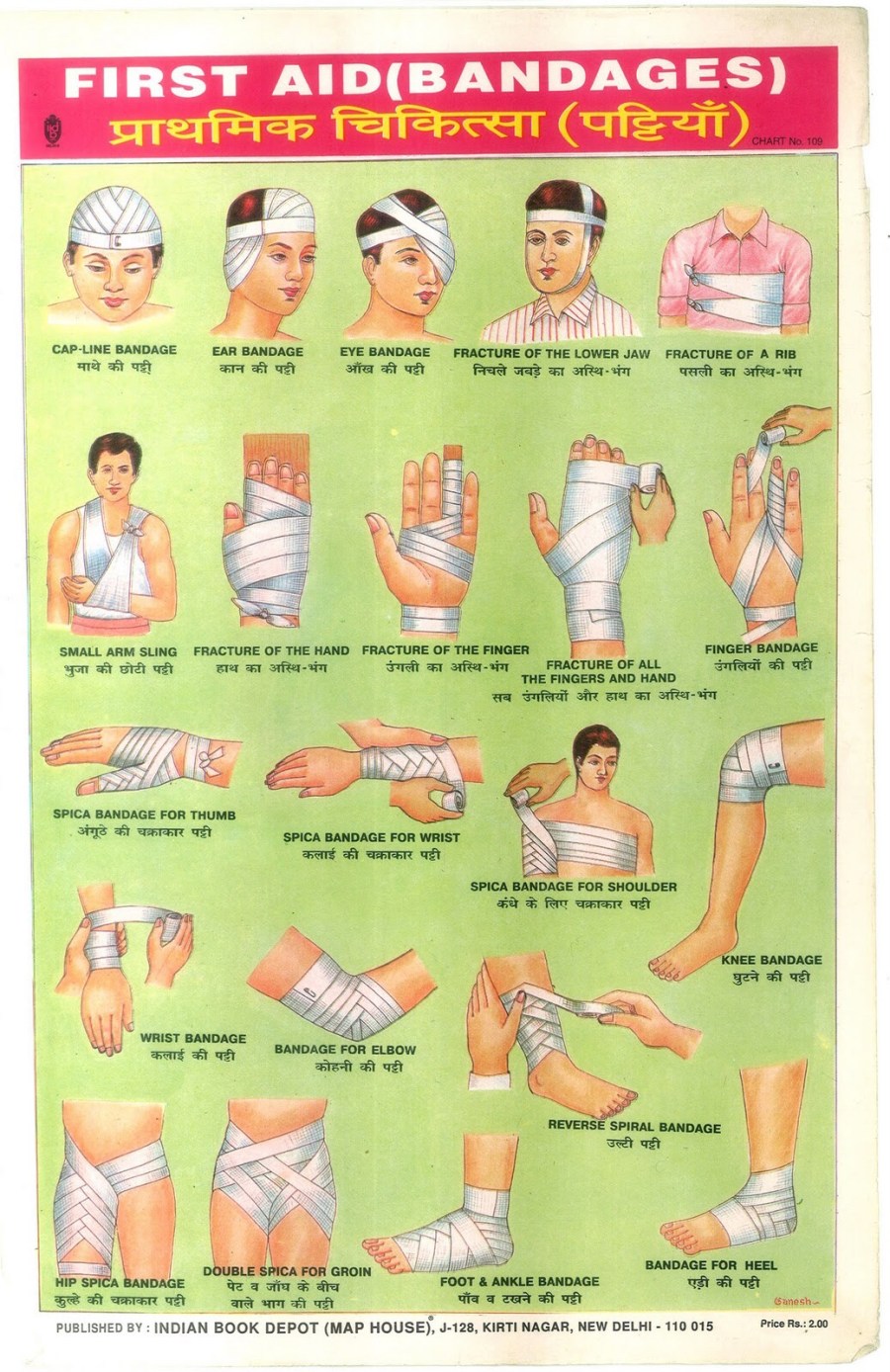
In one exchange I pointed out to someone the importance of ‘bedside manner’… Telling someone the facts of how badly broken their leg is – and how you’re going to screw bolts into it in five places – may have seemed to them the most important thing… but people also want you to rub their hand and show them you care.

In the big rooms, where ‘big people’ talk ‘big decisions’, all to often any sense of how it ‘feels’ and what ‘heat and pain’ it’s causing is absent.

I felt out, explained to people and fixed a lot of heat and pain this week – especially with a big heave on Friday. I’ll fix some more next week.

That’s the job.

Jar Mitzvahs

Knitting together from several sources: it’s well worth celebrating life’s small moments of joy…

A friend of Tim Ferriss recommends a ‘Jar of Awesome’ – a Mason Jar (as above) into which everyone in the family drops little paper slips, to celebrate small happinesses…

Not sure that would work in our house. I think we’d be arguing with each other and scrumpling up each other’s slips of paper in no time.

Plus ‘Awesome’ may be overstating it. Small blessings, kindnesses and happy moments are more up my street.

As so often Chris Croft is a voice of practical good sense. He recommends a small notebook to jot down happy moments through the day; then recap and write three more at bedtime.

So I’ve now got a list on my iPhone titled ‘Jar Mitzvahs’, my virtual jar-cum-notebook of daily moments, and memories, and things to be thankful for.

And as Chris Croft suggests I’ve found some recurring themes…

…cooking, activities with the kids, chucking stuff for the dog to fetch, sunshine. But there are also a few I wouldn’t have noticed if I hadn’t written them down… kind words, being appreciated and just rubbing along with folk at work.

Happiness isn’t that complicated; it breaks out every time you clear the clouds from your head.