Days After

As the reality of the UK’s vote to leave the EU sinks in, I’m left comparing my feelings on four very different ‘days after’…

Obama’s first victory in the US Presidentials: I walked a full foot taller. Proud of America. Looking at passers-by: smiling and feeling we all felt a foot taller because America had done this. For all its racism and inequality America had elected the most amazing man – who was also an amazing black man – as its president; and in so doing took the world to a new place. Everything is possible and we all have a say. PROUD


The riots of 2011: blazing buses and rioters at the end of my street; on one hot sticky evening it felt like we were all barrelling out of control. A ‘towering inferno’ that was just one blazing furniture shop, dominated the world news. Hardly Mogadishu, but a day when our society wobbled, people became frightened and frightening and entropy reigned over order. ASHAMED.


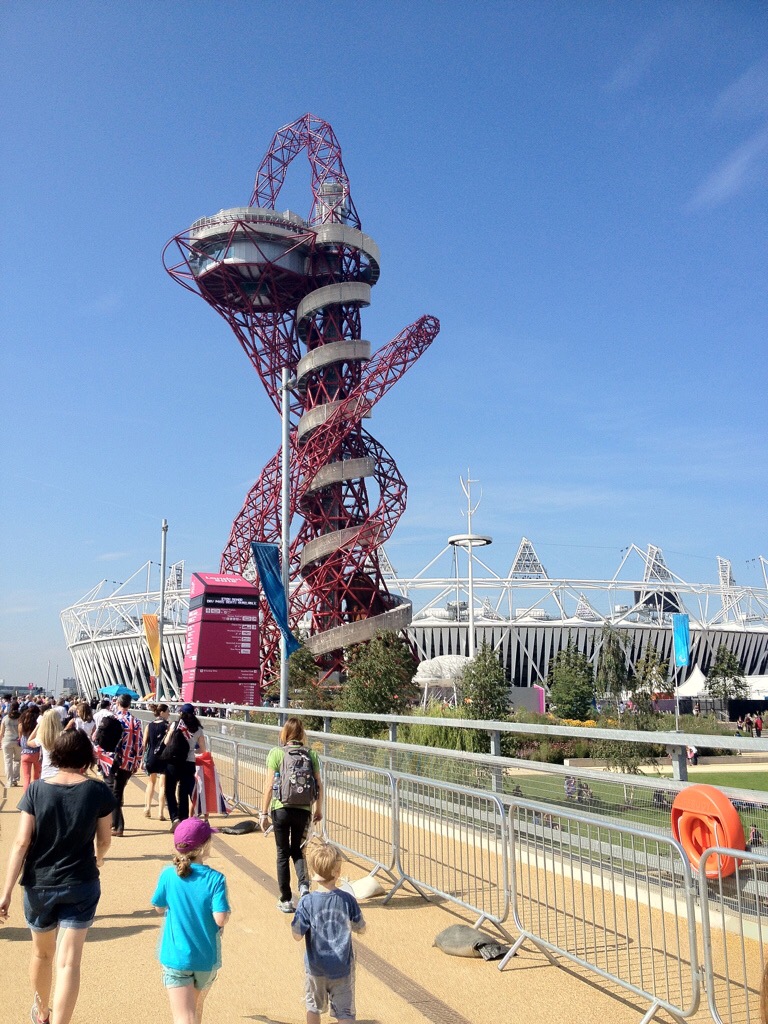
London 2012 Paralympics: a month on from the amazing 2012 Olympic opening ceremony our family day at the most amazing venues; beautifully, proudly and brilliantly British in design and execution. Exceeding anything I’d ever hoped or believed my country could do. Smiling volunteers, the kindly helpful lads of the British Army, fast transport, high spirits, even a McDonalds which hit a standard of service friendliness, warmth, welcome, inclusivity and diversity beyond our dreams. And then the ‘Superhumans’… Paralympians: recast as supremely able not disabled, all brought to life by our second great ‘for profit’ public service broadcaster: Channel 4. PROUD

Brexit: what have we done. How do I explain this to my children. How do I explain it to to people overseas I’ve lived among, cared for and kept in touch with; people who were yesterday fellow EU citizens and today feel we have made them foreigners. We used to share ‘Ode to joy’. Now I feel we on this island don’t deserve to feel a part of it. This ‘Land of Hope and Glory’ is a small minded place; divided among ourselves and no more a part of a great unifying European enlightenment ideal. I believed in the EU’s motto that we could be ‘united in diversity’; and we all should be. We are now where we were in the 1700s: a backward, self-absorbed and ruddy faced caricature of ourselves. ASHAMED.

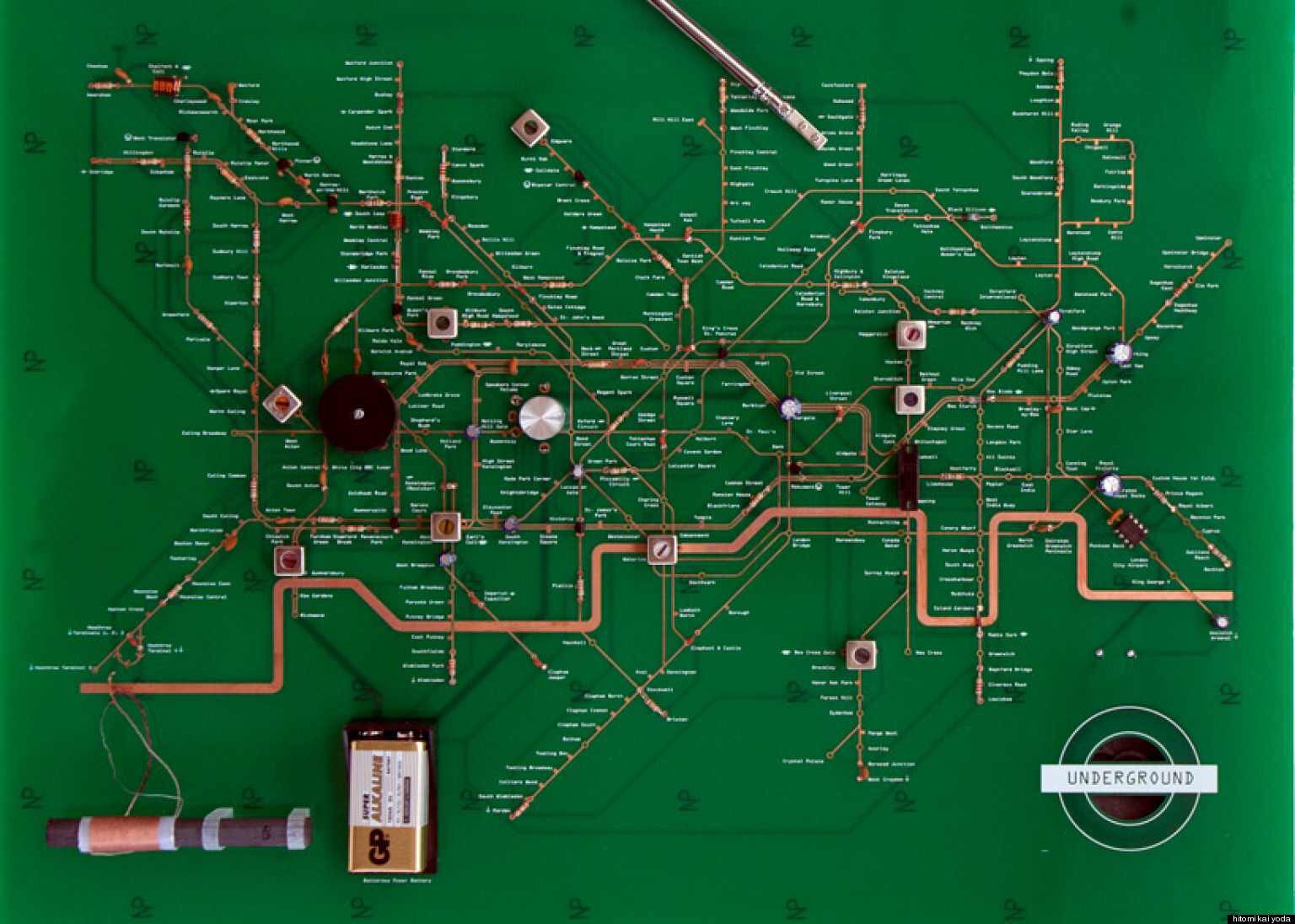
Train of thought

‘The train of thought refers to the interconnection in the sequence of ideas expressed during a connected discourse or thought, as well as the sequence itself, especially in discussion; and how this sequence leads from one idea to another.’

Our capacity to misunderstand each other (or indeed ‘misunderestimate’ as a former colleague of mine was wont to say) is legendary, in our house. 

Often considered obtuse by the other family members; we have recently realised that our problem is we don’t adequately ‘show our workings‘ as every maths teacher recommends. The result is: no-one else knows why on earth we’ve just come out with what we’ve just said; at least 90% of the time.

A recent classic was at a friend’s wedding. I spotted Manchester’s premier Chinese restauranteur arriving and taking his seat (just as the bride and father began the walk to the altar). I whispered as much. 

My other and better half, who was looking at the studiously understated vicar, whispered back “He’s a Chinese restauranteur??” I said “Yes!”. When she asked again, and then for a third time I slightly exasperatedly hissed: “For God’s sake honey, yes, he is…” (myself now looking firmly at the vicar, in full sermon). She looked non-plussed.

All became clear some time later at the end of the service, as the flamboyantly kilted, bald – and indeed only Chinese man in the congregation stood up – having been largely obscured by my head, to our left… 

Following the Vicar/Chinese restauranteur incident, we have realised: sharing a bit more of what we’ve been thinking sometimes helps. We’ve come to call it sharing the ‘train of thought’. 

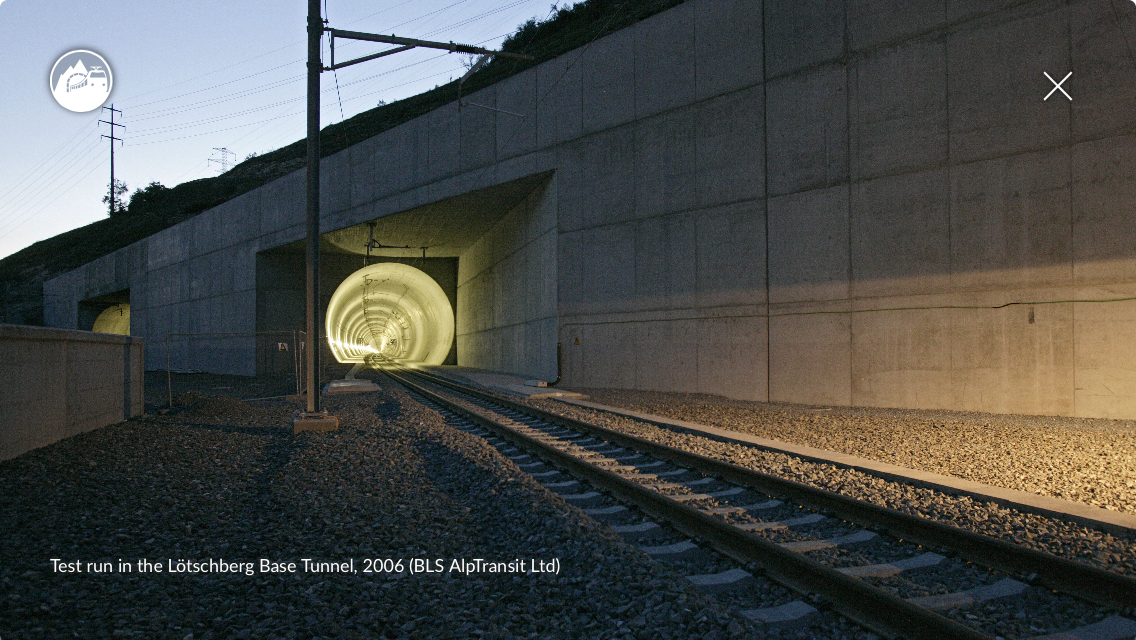
Our family problem, we now realise is we’re a bit Channel Tunnel or indeed the new Swiss ‘Gotthard Base’: deep underground, thinking our private thoughts; then briefly appearing with a comment or conclusion giving no clue as to the ‘train of thought’ we’ve been journeying on. 


A day in our heads is like a day on the London Underground – popping above ground with a thought or statement – before buzzing off down a completely different line, to appear again, unexpectedly, somewhere else altogether.


Revealing a little of the ‘train of thought’ certainly helps the family dynamic – and is making us laugh out loud too. We all go on some hilariously roundabout routes in our heads.

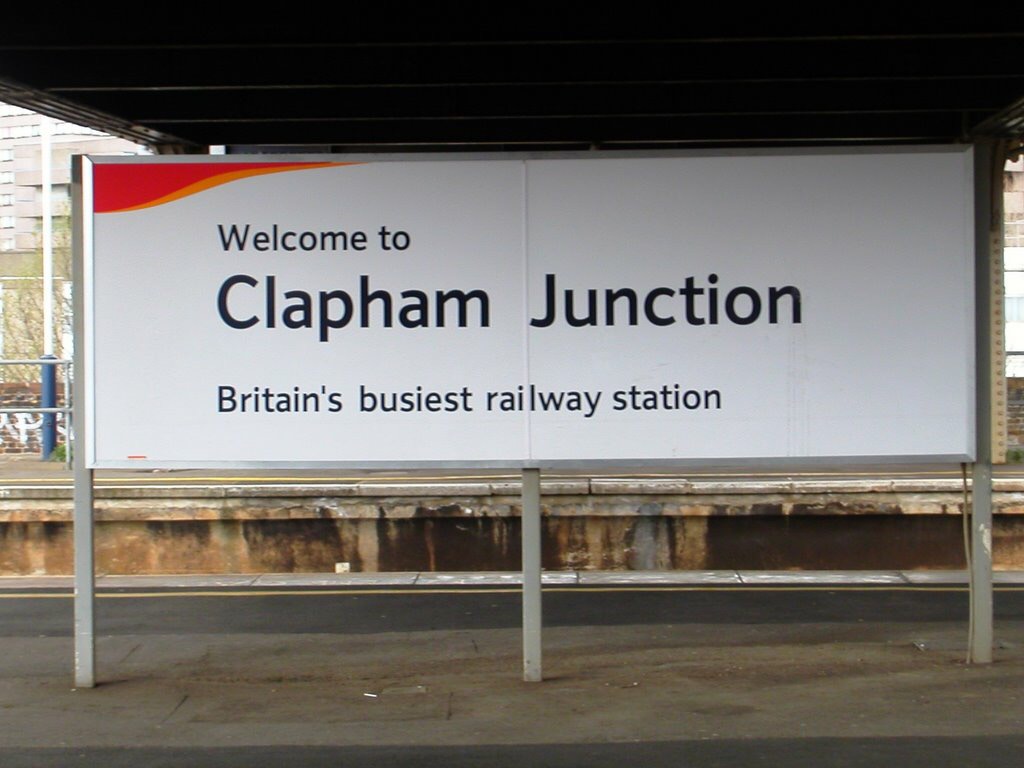
It could be worse; describing the ‘train of thought‘ to a colleague at work, she said: “It’s like Clapham Junction in our family… everyone talks; and all at the same time!” 


I like our family’s underground ‘train of thought’; for all we’re often in the dark, it’s never dull.

Empathy, Pain and Compassion

New Scientist (11 May 2016) – How sharing can make you sick
Something I’ve done a lot in the last decade is empathy. Indeed it has become one of the things I do the most at work: connecting with people and quite literally ‘feeling their pain’.

Walk a mile in another person’s shoes and you see the world differently; better understand different opinions and why people do what they do – even when it seems to be hurting both them and you.

But it comes at a cost. Connecting with the pain of others is painful for me too. It hurts to see someone hurting; and even more if you go with them to the very source of their pain – deep fears, anxiety, sadness and loneliness.

And this is a problem, because once you’ve seen the contents of someone’s soul, you can’t just shrug and say: “Oh dear, how sad, never mind.”

Not least because neuroscience is proving that our own brain copies the pain and suffering of others when we empathise. We do literally ‘feel their pain’ when we listen and put ourselves in their place. Mirror neurones fire in sympathy – in exactly the same pattern as in the sufferer; and the suffering is shared.

So I was fascinated to read in the New Scientist (in the article pictured above), that we should consider cutting the empathy; and boosting our compassion instead.

What’s the difference? I’m not sure I exactly know – but I can ‘feel’ the difference… Empathy feels like touching a person and connecting directly with their emotions – literally feeling what they are feeling. The science says that’s also what’s happening in your brain.

The problem is that in sharing, experiencing and absorbing the pain of others, we lessen our own reserves of optimism, energy and resilience. And that means ultimately we are less able to summon the strength to help or improve anything. Empathy feels draining.

Compassion feels different. Compassion ‘connects’ like empathy does but instead of firing the pain-mimicking mirror neurones, compassion digs deeper: for warmth, care, appreciation and common humanity. 

I reckon this must be how the Pope, aid workers and others who have the suffering of hundreds, even thousands of people thrust upon them daily must cope. Not by directly empathising; but by digging deeper for compassion. Certainly it’s the Dalai Lama’s philosophy.

One thing’s for sure I haven’t cracked it yet. Now I know it, I can feel the difference – beleaguered by too much empathy; strangely strengthened by tapping into warmth and compassion.

But I can’t manage compassion confidently yet; I still want to say at the end of sad conversations “I feel you pain.” But I know now that’s the invitation and trigger to fire those mirror neurones, and carry away my share of another’s suffering.

Talking to a very smart work colleague about it this week, we concluded: if a person is in a deep dark hole, you’re not always helping them that much, if you just jump in next to them. 

Similarly if you do try to feel another person’s pain and offer the classic line “I know how you feel” you risk real failing yourself and the person you’re talking to – how can you really know how someone feels? 

When someone is in a dark place this week’s realisation is the answer isn’t necessarily to join them in the gloom. Compassion – if I can learn how to channel it – creates the same connection, but offers a better chance of staying happy and healthy; and being some help.

Throwing Stones

Is there anything more annoying than egos. We all have them; but some people more than others.

I like to kid myself I don’t have a big ego. I probably do, but my saving graces are: I’m not bothered about being right, I’m not bothered about power for its own sake and I’d be quite happy with a quiet life.

Not so other people. I suppose I’ll have peace when they nail the box lid down on my old bones; and I’m in no rush for that – but this week has been a right old ball-ache. And all because of egos.

Thank goodness for the comforts of family. Children are usually pleased to see you, and my other half has rallied round. 

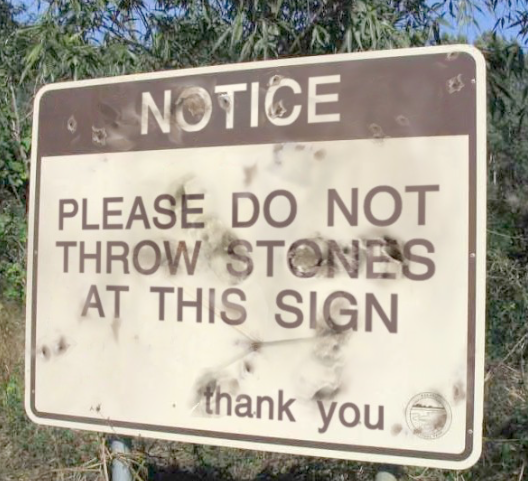
As I often say at work though, apparently humankind had two stand out strengths on the savanna plain: stamina and overarm throwing. Keep jogging after problems and eventually they fall to the ground – if you can avoid all the people throwing stones…

Forme et fond

I remember, from working in advertising in France, the slippery distinction between ‘forme’ and ‘fond’ – broadly style versus substance.

Much of organisational life lies in the interplay between these two; what’s the underlying ‘thing’ you’re tackling and how do you package and talk about it; as Wikipedia has it here.

If there’s one thing I’ve learned at work: it’s once you’ve sorted what you’re going to say; how you then say it will largely determine how it goes down – and that’s all about tone. Especially if it’s bad news, when some honesty and some humility are required.

The flip side though, is this week I’ve recognised when it comes to what others ask of me: I’m much better focusing on the ‘fond’ than the ‘forme’. 

Forget the wrapper, ditch the interpretation, don’t fret about being patronised, ignore any implied criticism, leave aside the irritation, accept any humiliation; just spot the action arising.

99 times out of 100, all that interpretation just makes you brood and ruminate: “can’t you see I’m busy”; “you really think I hadn’t thought of that”; or indeed occasionally “how bloody dare you…”

Leave all that alone and simply spot the action arising – edit the document, chase the right person, connect the protagonists; get the thing done. And the miracle of this approach is… No brooding (well not much anyway), problems solved, stuff sorted and even the odd word of thanks!

I conclude: if you want someone else to something; it’s all in the tone. If you are being asked to do something; ignore the style and focus on the substance – the action arising – however mundane, trivial or irritating; and do it directly. 

Rumination is ruination; happiness lies in action.