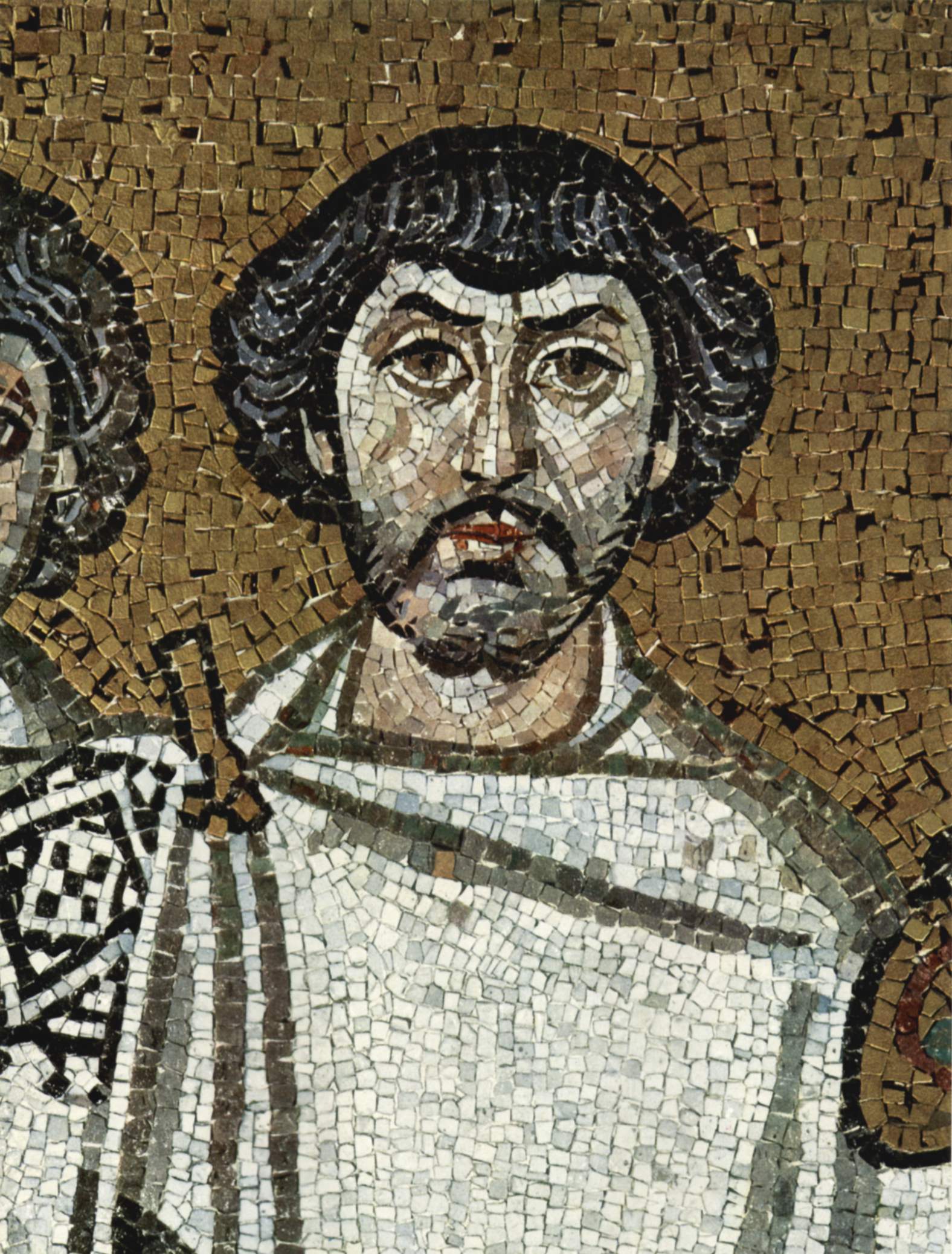
 Belisarius, the last great Roman general, retook Rome for Constantinople twice. He fought off barbarians in a dozen lands. He took on impossible numbers and outmanoeuvred them. He took on increasingly unrealistic ‘asks’ from the Emperor, and, through his great skill, made them seem almost reasonable. As his reward he had both his eyes poked out by Justinian for the injustice of ‘lessening his Emperor by comparison’ with his virtue and deeds.
The moral of the story? Perfection in the loyal knight holds up an unflattering mirror to the king. Many transactions between people are about status, and for many people they are zero sum games – an exchange can only enhance my status if it diminishes yours. Like Belisarius, if you succeed, I am lessened.
‘Zero sum’ is a habitual but dumb human behaviour. I suspect, sadly, it’s also hard wired. You win, I lose. I niggle you and you might screw up. I mess with your mind and you’ll lose your head. You are shining, that’s making me look dull.
Why do we do it to each other? ‘Happy high status’ is the ‘positive sum’ posture – I’m good, you’re good. I’m happy you’re good; it makes me feel even better, which makes you feel better. And then, who knows, we might do something great together. But ‘happy high status’ needs to be met in a reciprocal spirit. Which is why it’s so rare. Like a true smile you can’t fake it. You’ve got to feel good about yourself to feel good about someone else’s success.
It is hard to keep ‘up’ when people are doing you down, but seeing it for what it is – substantially other people’s insecurity – helps me cope.
 Achilles & Aristotle