Chinese Art

IMG_2462.JPG

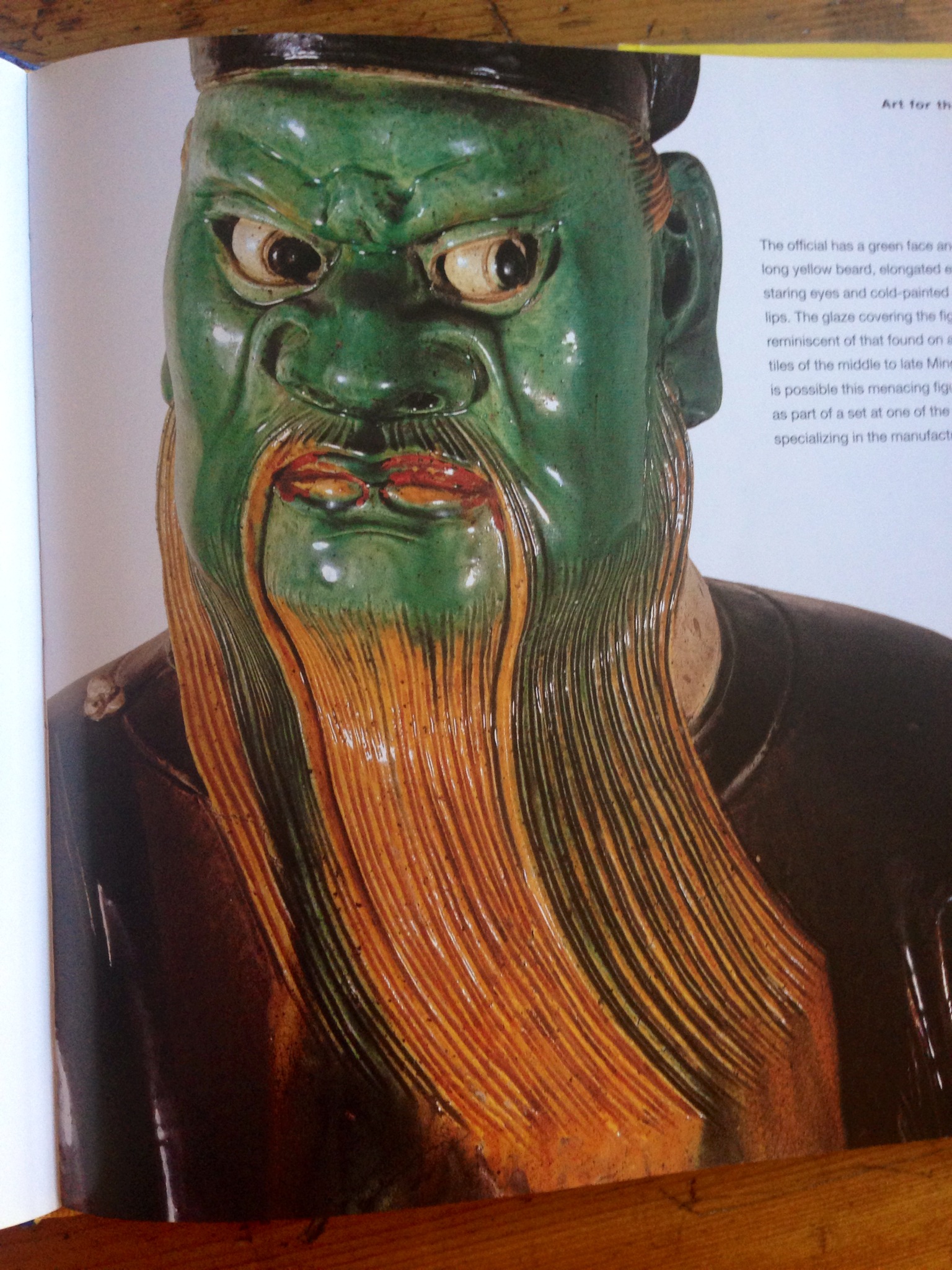
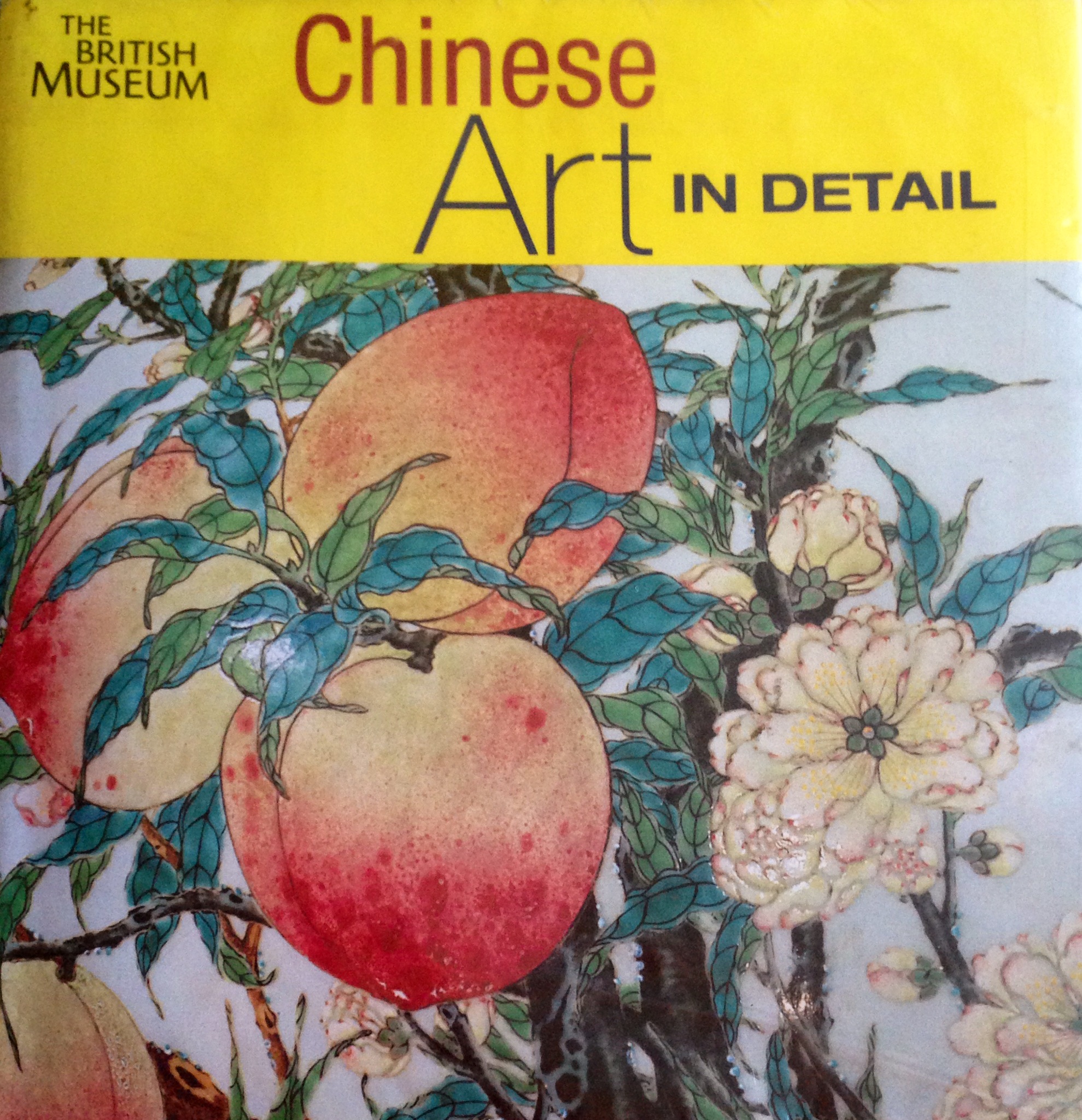
Hats off to the British Museum for combining fine photography with clear writing to explain ‘Chinese Art in Detail‘ to a beginner. That’s surely what museums are for – to blow away any cobwebs and bring their collections to life.

I learn that the hierarchy of Chinese art places calligraphy and painting at the top, closely followed by jades and bronzes – as objects of scholarly reverence and contemplation – all sitting above the decorative arts: lacquer, porcelain and silk. Sculpture was reserved for graves, temples and shrines.
IMG_2463.JPG

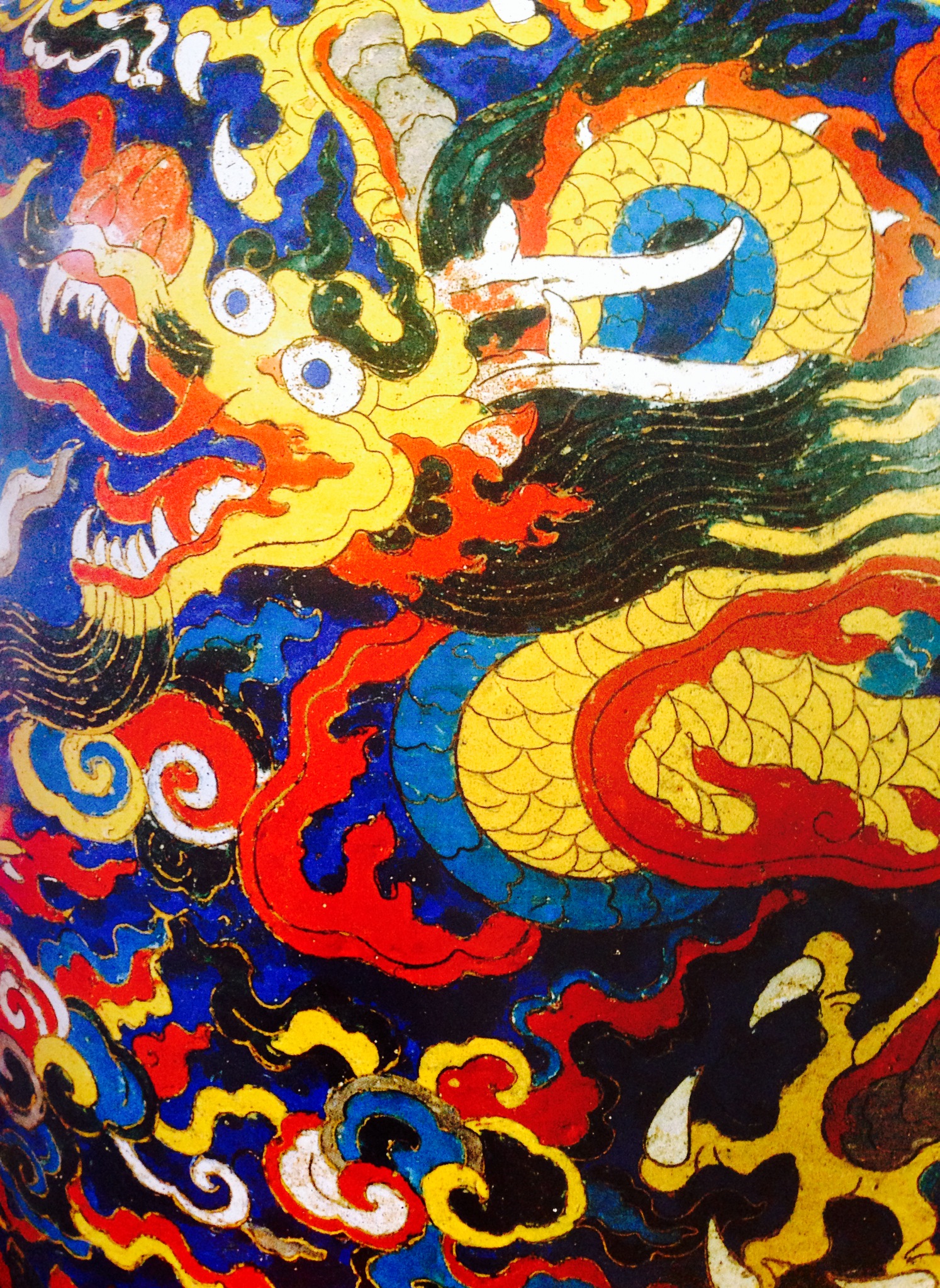
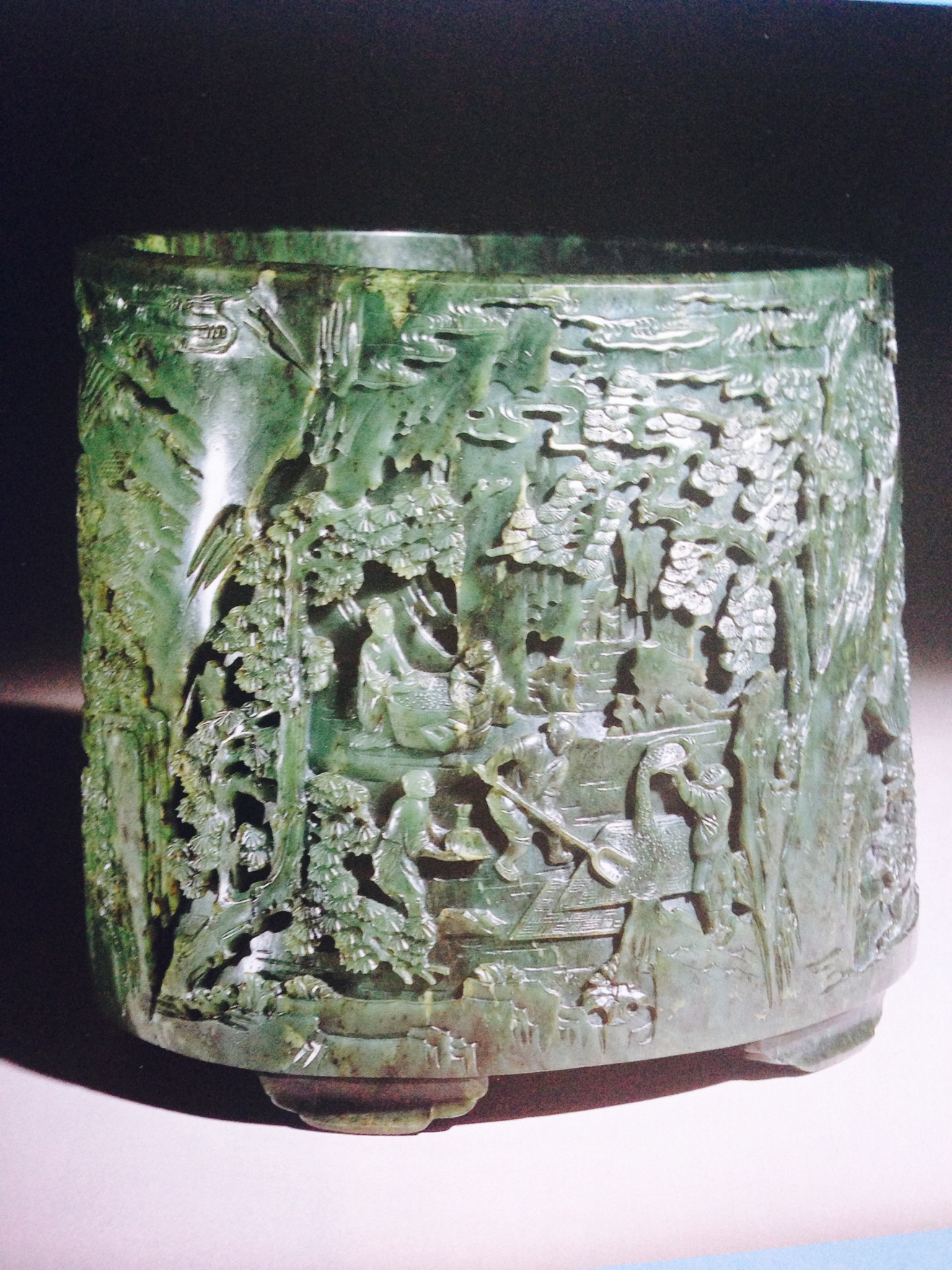
A five toed dragon reveals an imperial purpose (a toe was chipped off lacquer work if it left the emperor’s palaces) while scholars practised the ‘three excellences’ of painting, poetry and calligraphy (with incredibly intricate jade brush pots) producing mystical landscapes designed to express their cultivation.
IMG_2464.JPG

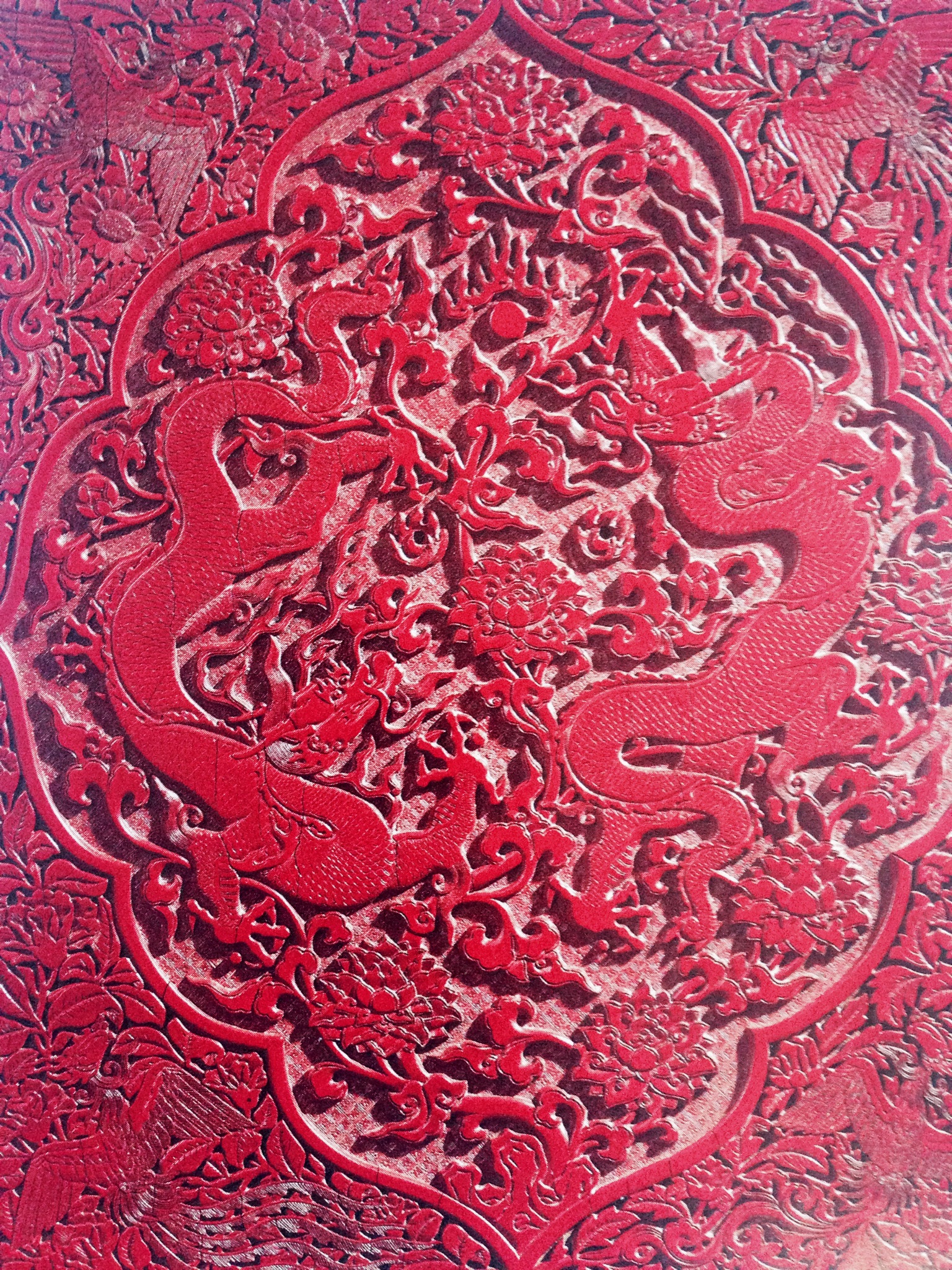
But most remarkable is the scale and organisation of Chinese arts and crafts. Genuine mass production dates back to well before the Han Dynasty (208 BC to 220 AD) with multiple stages, many distinct craftsmen and multiple inspectors producing the highest quality lacquer and porcelain in great quantities.

Only China knew how to produce silk or fire fine cobalt blue porcelain for long periods of history. And China’s vast scale of production ensured Chinese design served and responded to the insatiable demand of the silk routes, the near East and Europe for many centuries.

Cranes, peaches, fish, all symbolise long life and prosperity. And China’s arts and crafts often secured them for its many imperial dynasties. Bronze, jade, lacquer, porcelain, silk, scrolls, statues, woodblock prints and more – there may be no oil paintings, but the details and workmanship are amazing.
IMG_2466.JPG

Well done to two UK public institutions of culture – a small seaside library and the unmatched British Museum – for bringing them to life from centuries past to the present day. China is as much a part of our collective past as our present and future – and this book shows its intricate art is worth a closer look.
IMG_2460.JPG

Street Art

20140705-170244-61364147.jpg

I never knew there was so much to it… Street Art is well worth a second look. Not least since a lot of it tricks the eye – through largeness, smallness or seeming banality. It’s clever stuff.

On my last trip to the library – on an impulse – I borrowed “The Mammoth Book of Street Art” by JAKe – pages and pages of photos of street art from London, Paris, New York and more.

From spray paint to stencils, posters (aka wheatpasting) to tiny figures and installations, Street Artists are constantly playing with perspective, graphics, text and figures in fascinating, fun and challenging ways.

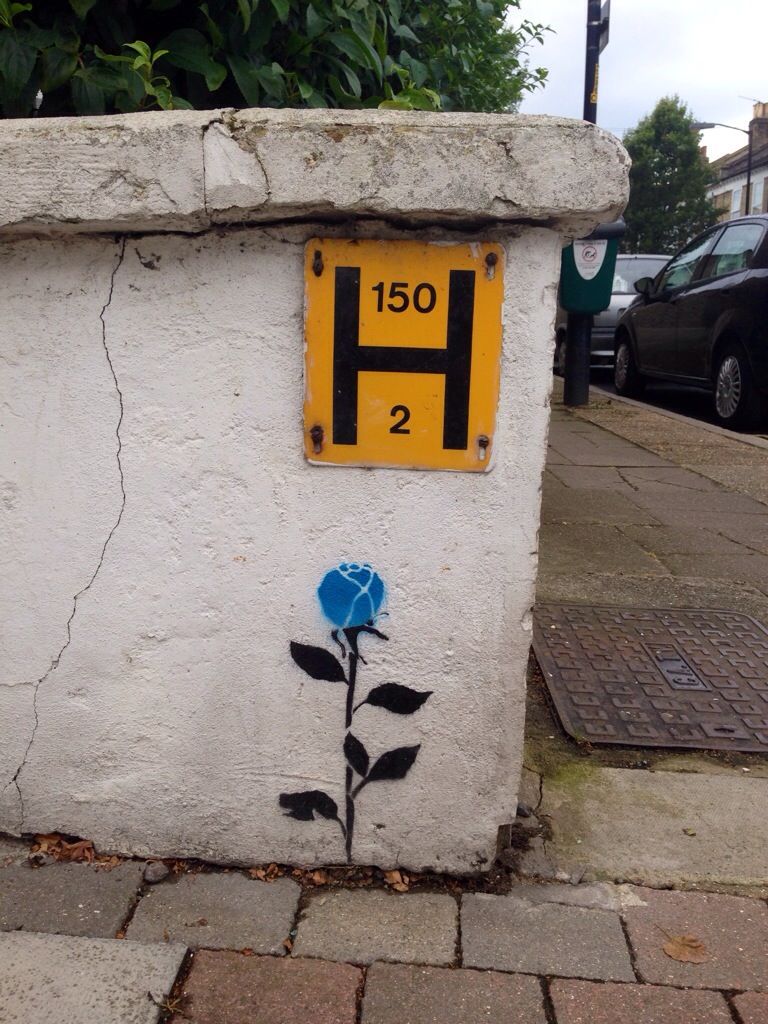
And it’s been going on for years, under our very noses where we live. We have a stencilled rose on the wall next to our house and ‘guerrilla gardeners’ transforming railway embankments and street trees all around us with flowers and planting.

20140705-182547-66347765.jpg
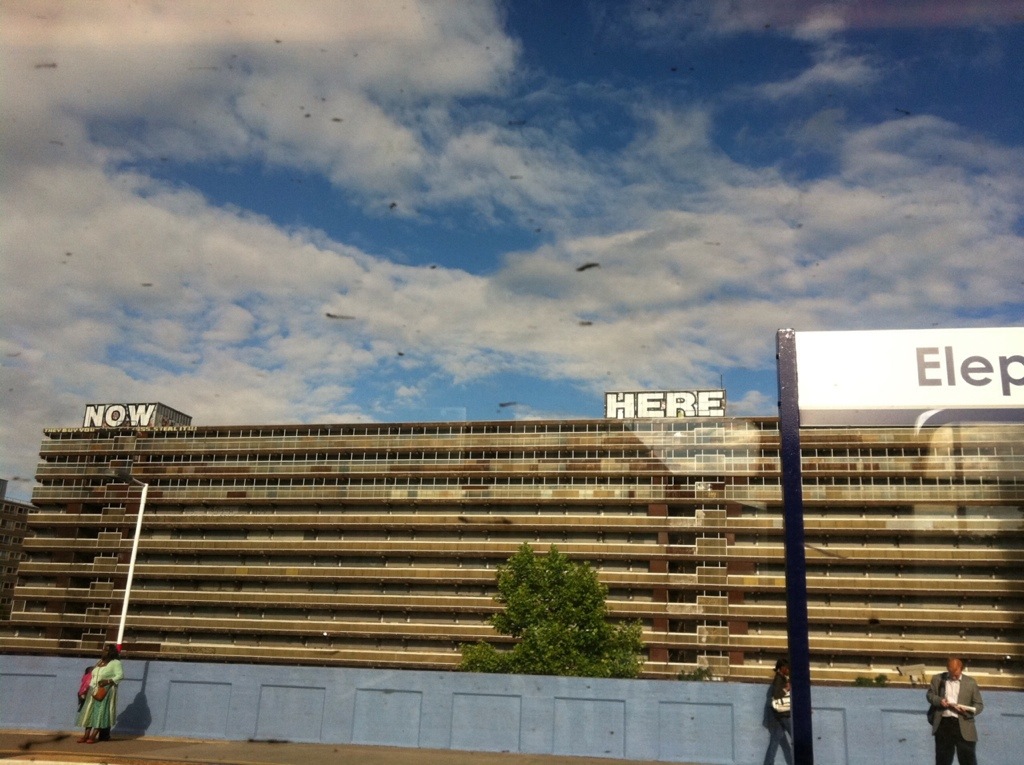
Once you start looking, it’s everywhere. There’s a long nosed Pinocchio on a stairwell in a forbidding estate I cycle through every morning and I used to love the ‘here’ ‘now’ on a big local housing block until it got graffitied to oblivion.

20140705-204719-74839301.jpg
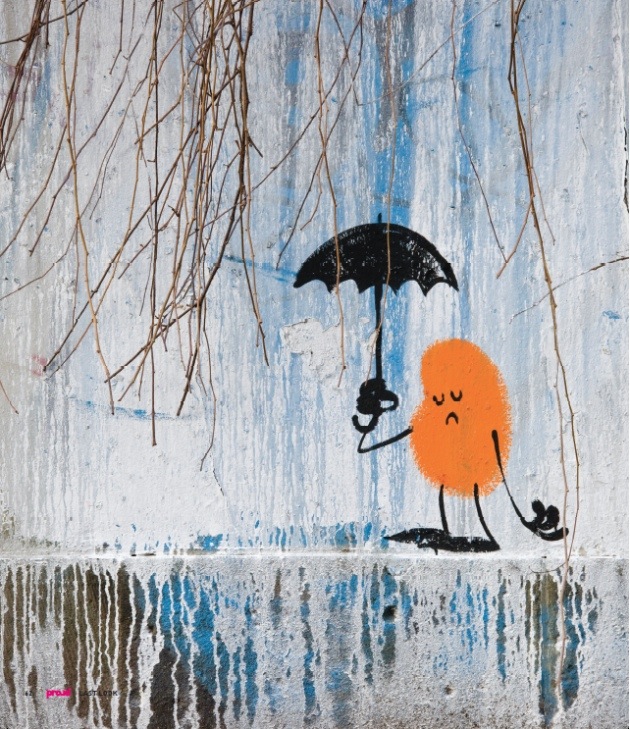
Street Art, done right, doesn’t deface – it makes you think and it makes you smile.

Here are some of JAKe’s choices I liked best:

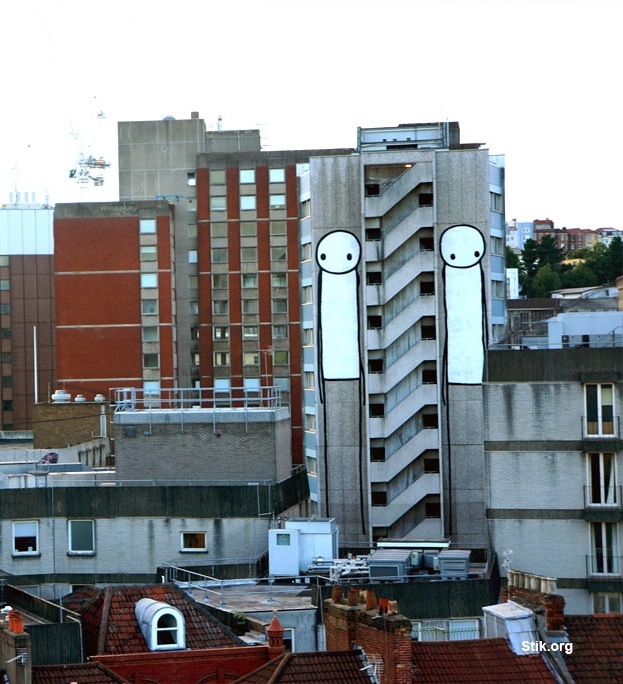
Classic simplicity from Stik:

20140705-170446-61486979.jpg
And from Dave the Chimp:

20140705-170533-61533050.jpg
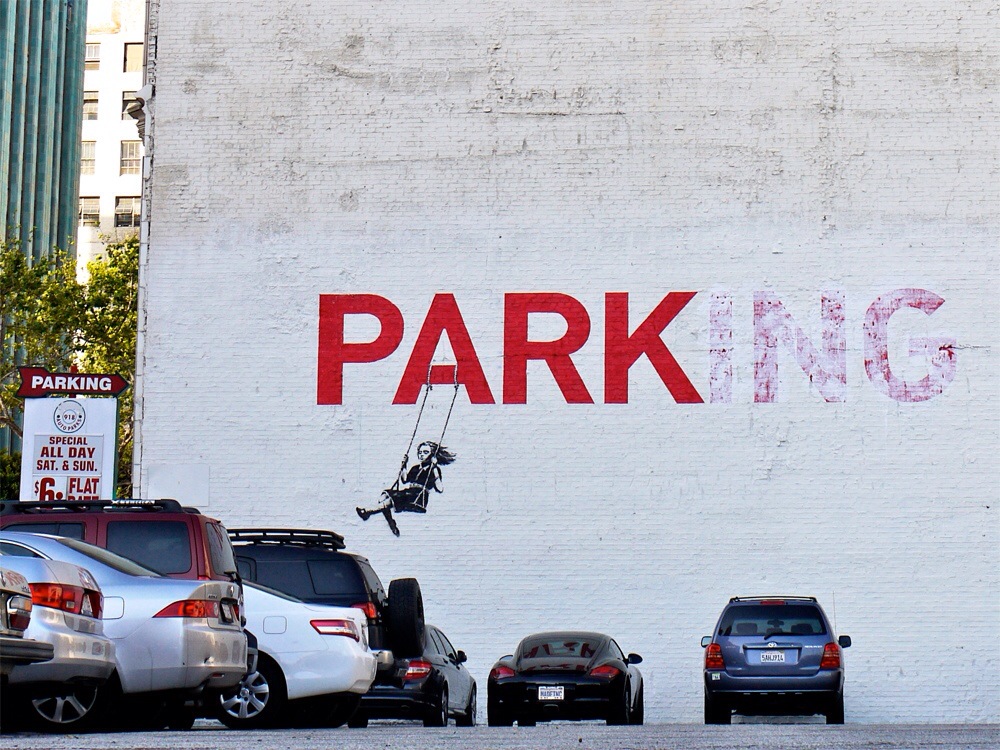
The king of stencils Bansky:

20140705-170618-61578362.jpg
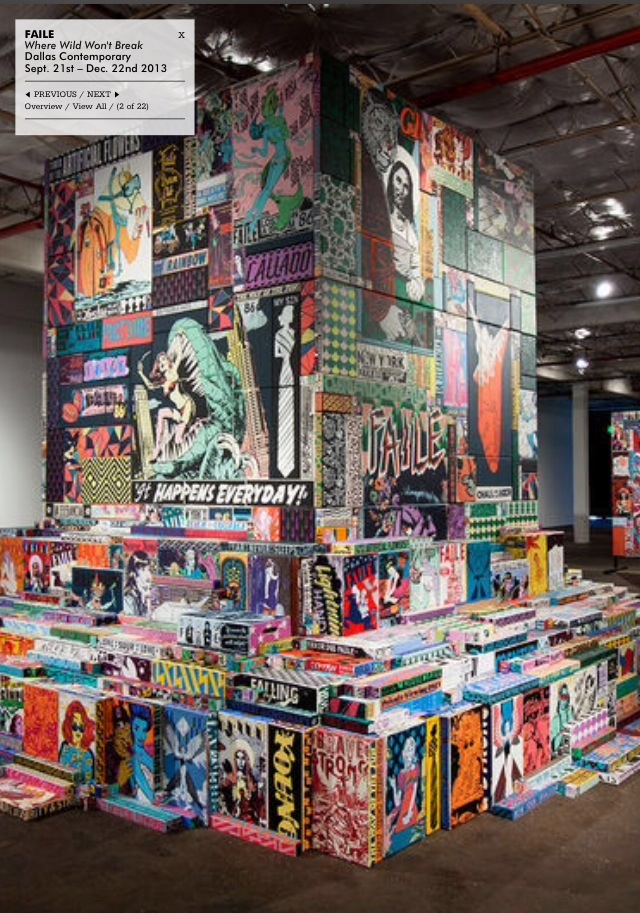
Poster art from Faile from the USA:

20140705-170705-61625715.jpg
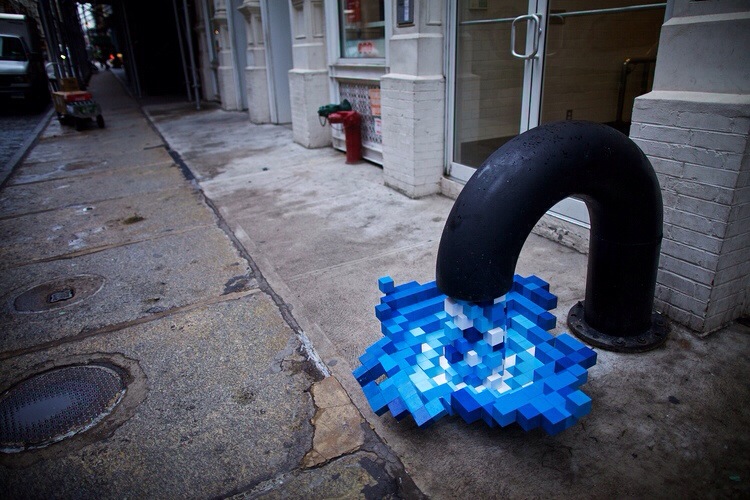
Playful pixels from Kello:

20140705-170744-61664725.jpg
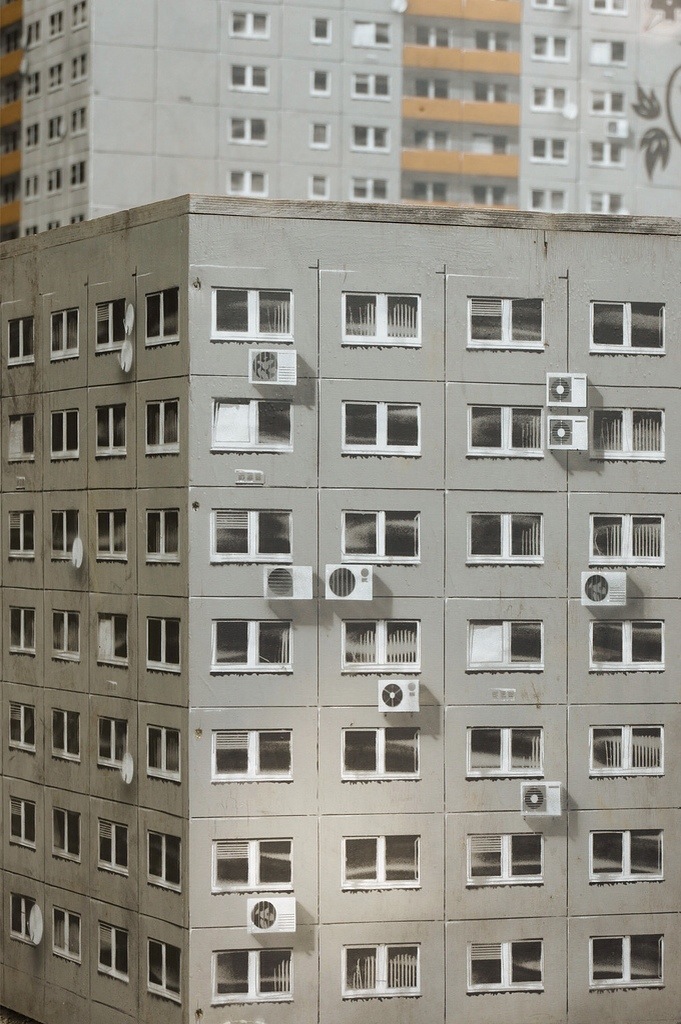
Miniature tenements (as also above) from Evol:

20140705-170847-61727350.jpg
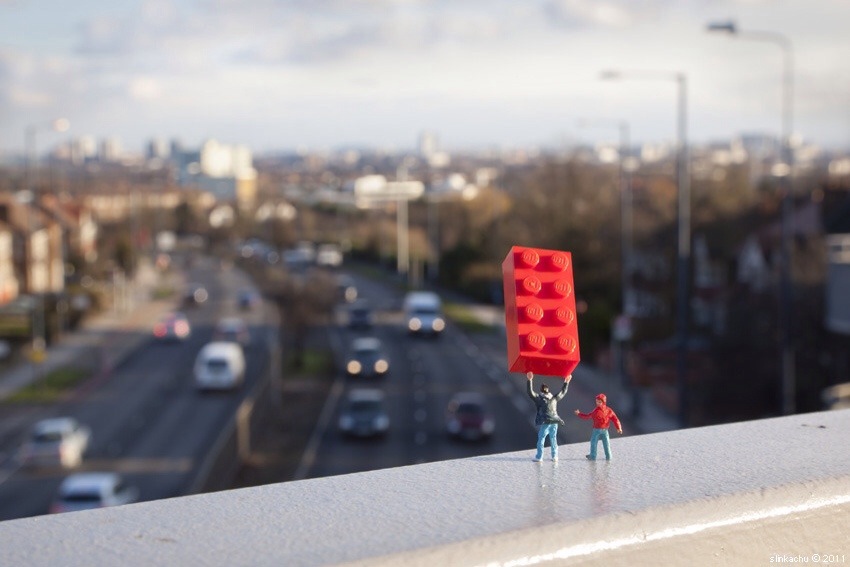
And tiny people from Slinkachu:

20140705-170945-61785675.jpg

20140705-172218-62538192.jpg

20140705-172516-62716753.jpg

Malevich

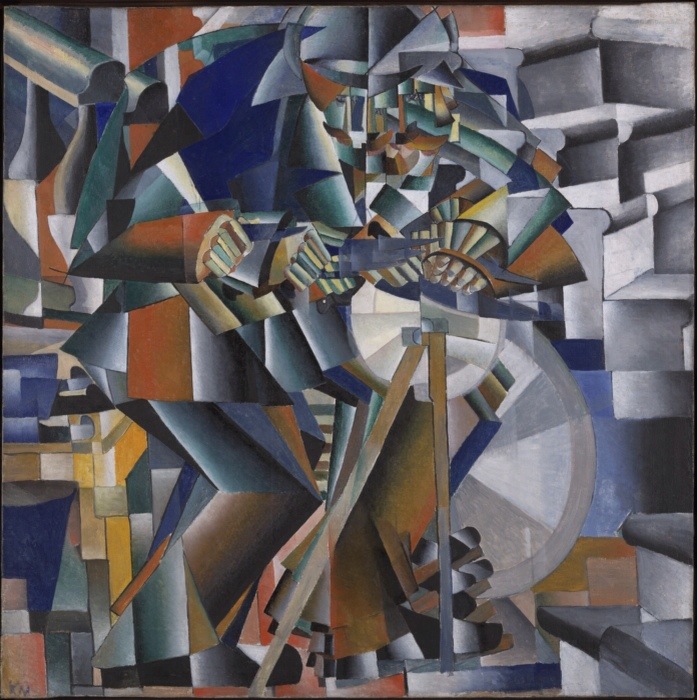
I knew he was deep, and suspected he was dark – but another find in the library shows he painted like a man possessed through some extraordinary times. Kazemir Malevich (1878-1935) the great Russian artist went from here:

20140614-215739-79059734.jpg

To here:

20140614-215813-79093001.jpg

Via here:

20140614-215837-79117724.jpg

And here:

20140614-222316-80596901.jpg

Before changing art forever here:

20140614-220200-79320546.jpg

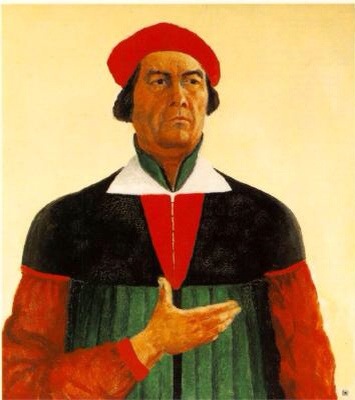
And ending persecuted but proud here:

20140614-220304-79384400.jpg

From impressionism, through cubism, to futurism and his own creation ‘suprematism’. Malevich created the ultimate abstraction in the ‘black square’, but ended his years under Stalin only being able to hint with a coy hand gesture at the ideas he created – that true art takes nothing whatsoever from nature and is pure ‘form’.

Modern art gets a mixed reception. But I’m staggered at what Malevich produced in a single lifetime. He is a dozen artists in one – and lived a life which spans, encapsulates and created a true revolution.

Waves

20140531-215435-78875213.jpg

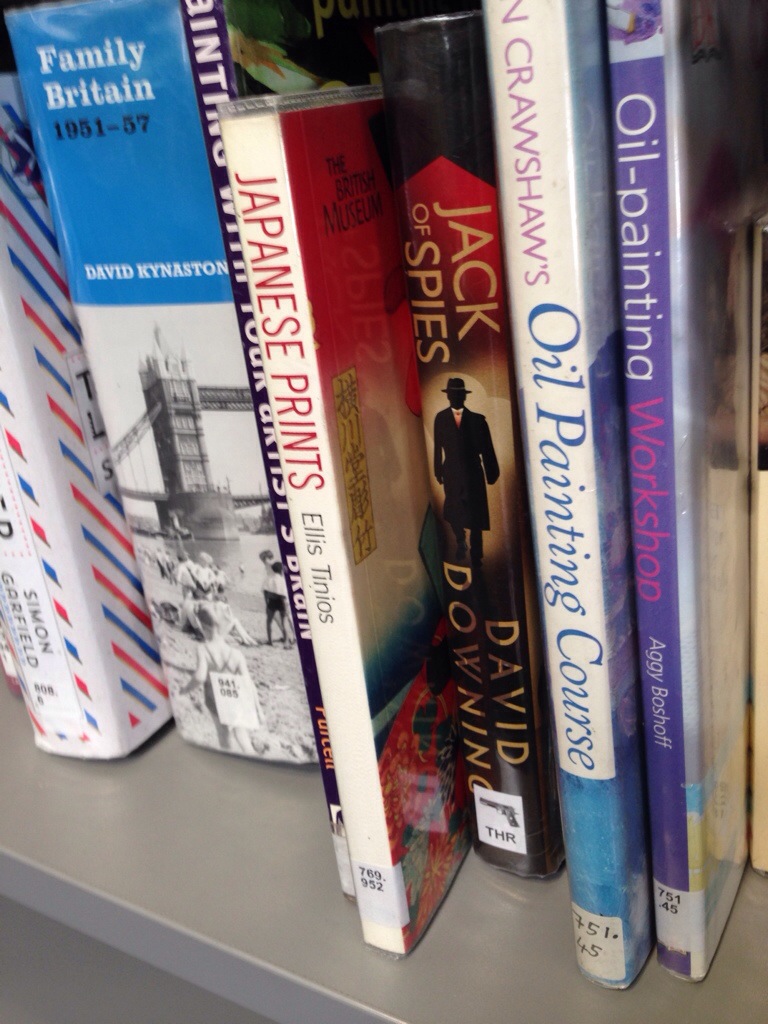
I waved goodbye to ‘Japanese Prints‘ at the library today. Here it sits among the ‘recently returned’ next to someone else’s thriller and two DIY oil painting books.

Japanese wood block prints, I learnt, were the product of art, craft, populism, censorship and Japan’s desire for isolation from the rest of the world.

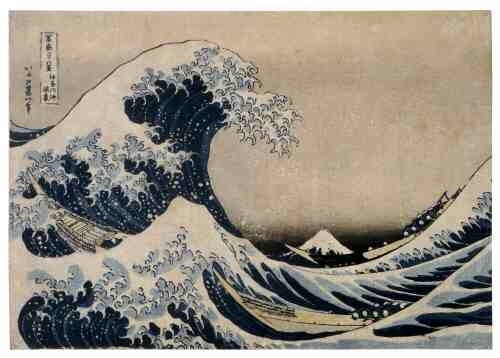
Hokusai’s ‘Great Wave’ is perhaps the most famous of all Japanese wood prints and belongs to the groundbreaking series ‘Thirty-six views of Mount Fuji’. Most Japanese prints were of famous actors, warriors or courtesans. Landscapes were few and far between, until this series.

20140531-215723-79043940.jpg
But what is also unusual about this print, is it draws on the industrial prowess of 19th century Germany. It was the first Japanese series to exploit the new chemical ‘Berlin blue’ pigment (also known as Prussian blue) which had recently become available from China. It gave Hokusai a strong but fine blue for both sky and water unlike the sticky splodgy ‘Indigo blue’ and did not fade like the other more watery traditional blue pigments.

On the other side of the world, German chemists enabled Japanese artists and printers to create many thousands of fine prints. These then found their way back to France and inspired Monet, Manet and the Impressionists, as well as the ‘new wave’ Art Nouveau posters of Toulouse Lautrec, which adorned and still define Paris.

It’s a small world. Japanese wood blocks sat next to oil paintings in 19th century Paris too.

20140601-075747-28667351.jpg

Ancient Alchemy

20140426-085422.jpg

A friend and I popped into the National Gallery one lunchtime this week. Among the tourists and school kids, we were guided by gently spoken attendants, who steered us towards Dutch Masters – and then on to Medieval gilt and godliness.

I was keen to find the Wilton Diptych (above). The photo above hardly does it justice. By an unknown artist (as everything was before Giotto) it dates from the 1390s. And a fine piece of early English patriotism it is too.

A gift to him, it shows King Richard II being presented to the Virgin and child by John the Baptist. An English King was clearly worthy of the Devine in every respect.

What really amazes – in a object over 700 years old – are the colours. The blue is dazzling, set off by the expanses of gold. And the intricate gilt of the robes is staggeringly precise. How did the unknown artist procure, prepare and render these vibrant hues in the very midst of the Dark Ages?

But forget a few hundreds of years. I read this week that there is new evidence from China of the widespread use of coal for smelting fully 4,500 years ago. They guess coal was discovered and deployed because large scale deforestation had forced innovation – all the charcoal had run out.

What remains is so little, that we risk underestimating the sophistication of long past eras. We will never know their names, but our ancient forebears were finding and combining precious metals and minerals with amazing, ingenuity, craft and artistry long centuries ago.

This dazzling blue and gold panel, made for an English King, is an incredibly rare and precious proof of genuine ancient alchemy. Devine.