Re-wiring

Talking to a nice person at work this week, as we descended several flights of stairs; she said:

"Yes John, but you're about the most positive person I've ever met."

I nearly tripped and fell down the remaining stairs… As I subsequently texted to one of my finest friends:

And a good week it has indeed been – against all the odds!

Which goes to show why being more positive and following my new motto: trust the universe to provide an answer – is a goodie.

Still, another marvellous former colleague of mine (now working in a real zoo; not just a human one) offered an even better motto to end the week…

Think small


I’ve signed up to a terrific blog from a chap called Eric Barker from UCLA. Loads of great resources, links to thought-provoking books and simple ‘to do’ lists to do more.

This week’s top tip is how to create a habit: 

Think small. Real small. No, even smaller. From Stick with It:

“Focusing on small steps allows people to achieve their goals faster than if they focused on dreams. Focusing on small steps also keeps people happier and more motivated to keep trying because they get rewarded more frequently.”

Simple – I couldn’t agree more. 

This is one of the top lessons from Martin Seligman [as here]. Break stuff up into smaller chunks and you get more stuff done; and feel good about getting more stuff done. Simple. 

Thinking small wins big. Here’s to more from Eric Barker.

Heartfelt


As a person (traditionally) of the head, I generally take the arrow of causation to be ‘the head drives the heart’…

Of course that’s not always the case. When the heart skips a beat or starts misbehaving; that certainly gets the head thinking.

But a book I’ve been reading advocates what many world religions say: rather than just a rather ugly fleshy pump, the heart is a rich source of information on what’s going on inside.

The thesis is, if you’re carrying some problem you’ve not ‘processed’, when your mind wanders anywhere close to it, you can feel it a sort of ‘blockage’ in the heart. Experimenting with this for three or four weeks – for me at least – there’s absolutely something in it.

The physiology and location of the actual electrical impulses is a matter for the neurologists and cardiologists; but if I concentrate on where I ‘feel’ angst, I do indeed feel it in the heart. 

And what an acute detection mechanism it is – when you properly tune in to it… If I think of something or someone and feel a slight (or indeed major) tension in the chest; then sure enough it turns out there’s some form of messed up feeling hiding in there.

A combination of taking a breath and exploring round the ‘blockage’, and lo and behold there’s invariably some unfinished emotional business to have a look at…

A few weeks in, and I’ve ironed out and processed a good few anxieties I didn’t know I had, rattling about my chest cavity. I find I’m pausing and reflecting; but also acting and reacting more contentedly, easily, helpfully and kindly. 

Instead of chucking the brain at problems, I’m tuning into and listening to the acutely sensitive and (thankfully) steady thump of the heart. It’s a very fine guide.


Bees 

In a meeting this week I asked how people felt about ‘whacking the beehive again’. 


We are trying a new ‘change management’ approach (as opposed the University standard of ‘resistance management’) on a major move; part of which involves regularly asking people how they feel about what we’re doing to them and all the things we’re changing. 
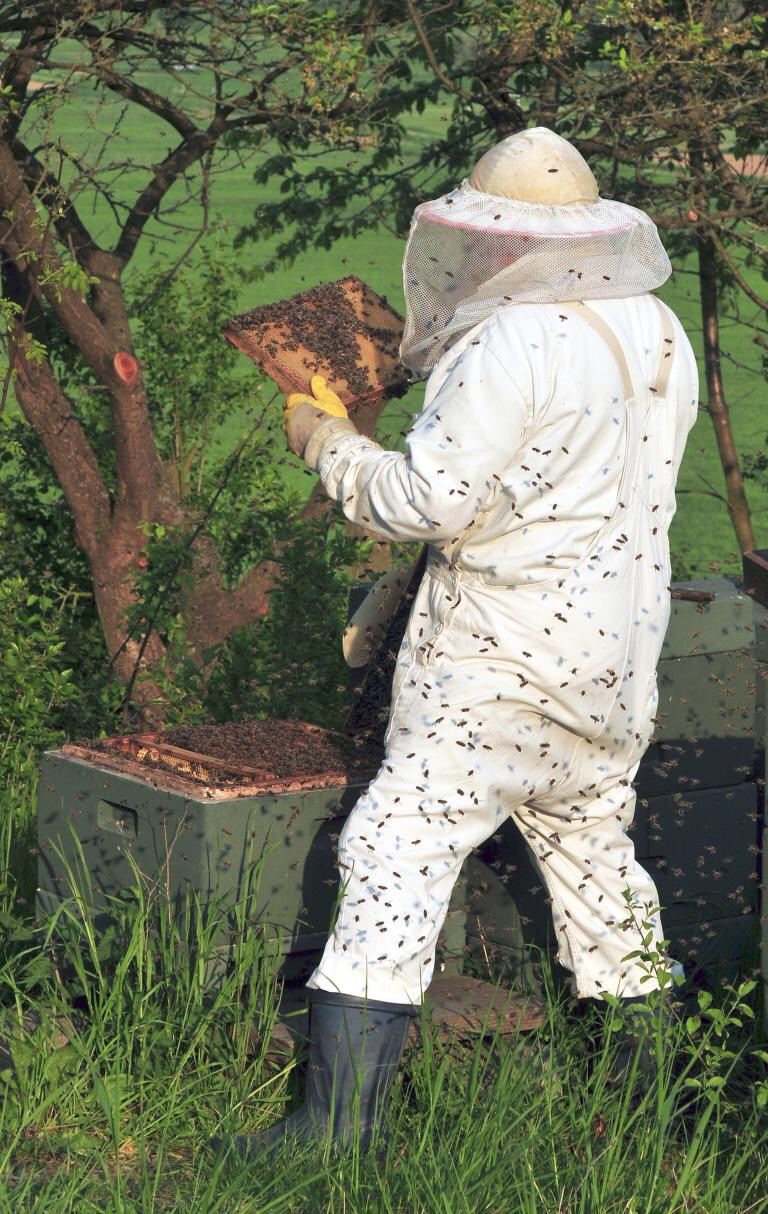

It’s finely poised. As I pointed out, asking people to put on the beekeepers outfit again – as we bring out all the angry bees – feels like a big ask on the hottest June in record at the end of a long academic year…


Still the point of change management is to keep asking, keep answering and keep moving forwards; so we agreed to give the beehive one last whack before summer and ask people if they felt ‘adequately informed’, ‘knew what they needed to do’ and were ‘broadly positive or broadly negative’.

Afterwards, I sent two of my fellow beekeepers this [only slightly doctored] quote from Marie Curie; which serendipitously had landed in my inbox that morning: 

Nothing in life [including bees] is to be feared, it is only to be understood. Now is the time to understand more, so that we may fear less. 

Marie Curie (1867 – 1934)  

But later in the day we did have a laugh, agreeing that we might need to pump a bit of smoke in the hive afterwards, to calm it all down again. 


Still as I emailed them later: 

“A former colleague of mine who keeps bees claims that you have to keep your hive in a reasonable state of agitation otherwise half of them clear off and make a new one!”

And now we can practise the art with the real thing… on the vary same day, we discovered a bee panel has just been installed on one of our busy London campuses…

I’ll be making a bee line!
 

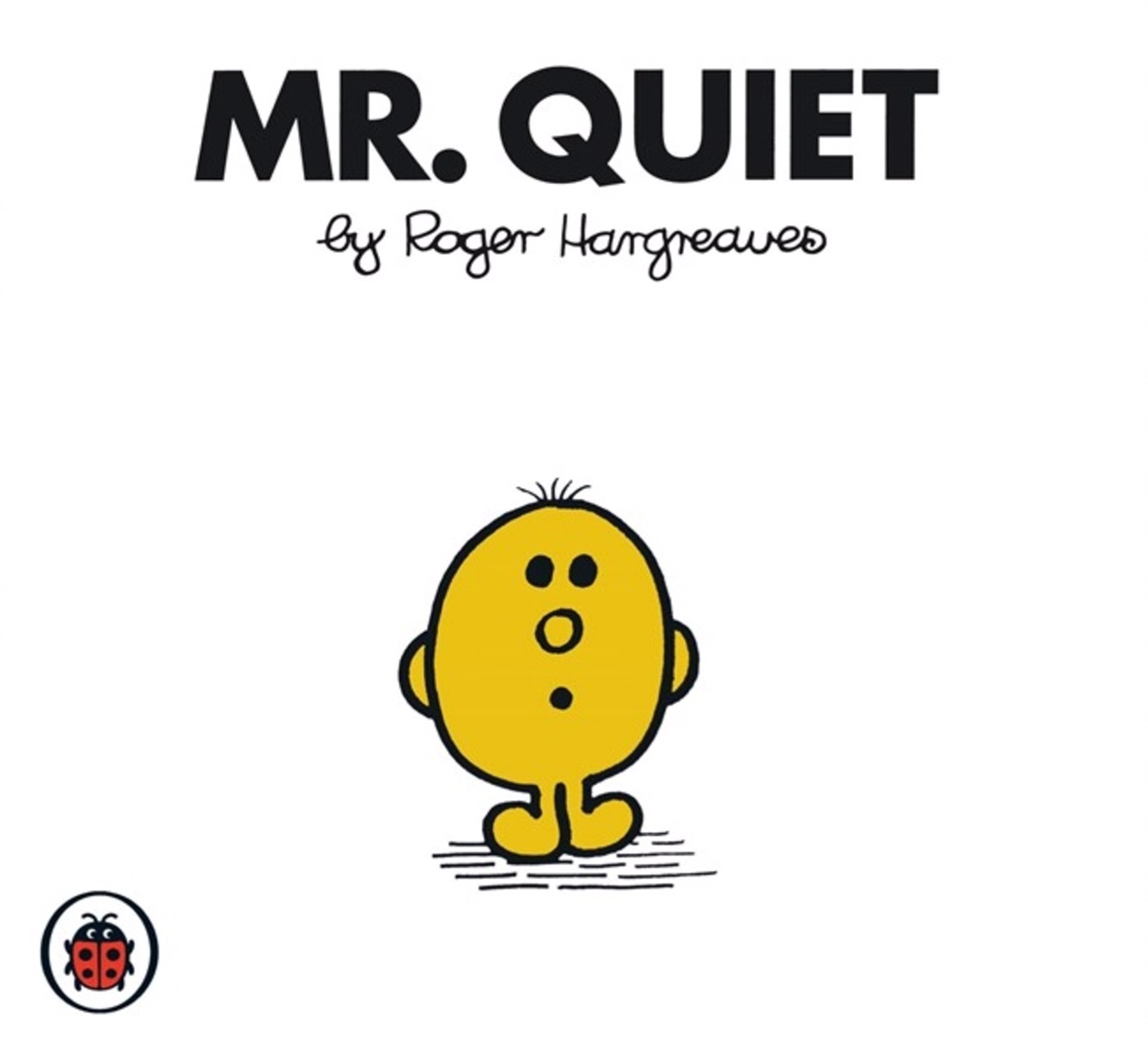
Quiet 


Some weeks back I was talking to someone at work about the racket going on in her head. Too much on her mind.

As luck would have it, I’d just started reading a book which tackles the issue head on: what is all the noise in between our ears about…

In a nutshell the thesis is that we all live with a ‘noisy narrator’ in our heads – who is trying to be helpful but just can’t stop pointing things out, making suggestions, presenting arguments and/or things to remember or worry about. 

And the internal narrator likes nothing better than presenting competing options, then contradicting itself and coming up with wild half-baked fears and anxieties. All of which is ready and constant source of angst, brain ache and worries.

But that’s not the half of it… once you pay attention you notice your chatty companion also loves the banal and distracting – look at that tree; fancy a latte; what time is it; fancy humming this tune?

Now like most people I’d always assumed the restless, ceaseless, constant chuntering in my head was me. But the argument in The Untethered Soul’ is that you’re not the narrator… you’re the one quietly listening.

It’s a bit like being in a cinema; detach yourself from the action onscreen and you notice you’re sat in a row of chairs immersed in the film – but the observer of it; you’re not in the film.

It’s a bit strange the effect this has. Combined with taking a breath (of which more anon) I find myself experiencing quite a lot of quiet…

Of course it’s easy to switch the constant stream of ideas, actions and reactions back on; that’s still the default setting. But I do find myself sitting quietly and staring into the middle distance a good deal at the moment.

Quiet it seems is just that; quiet. It’s a whole new experience, but I quite like it.