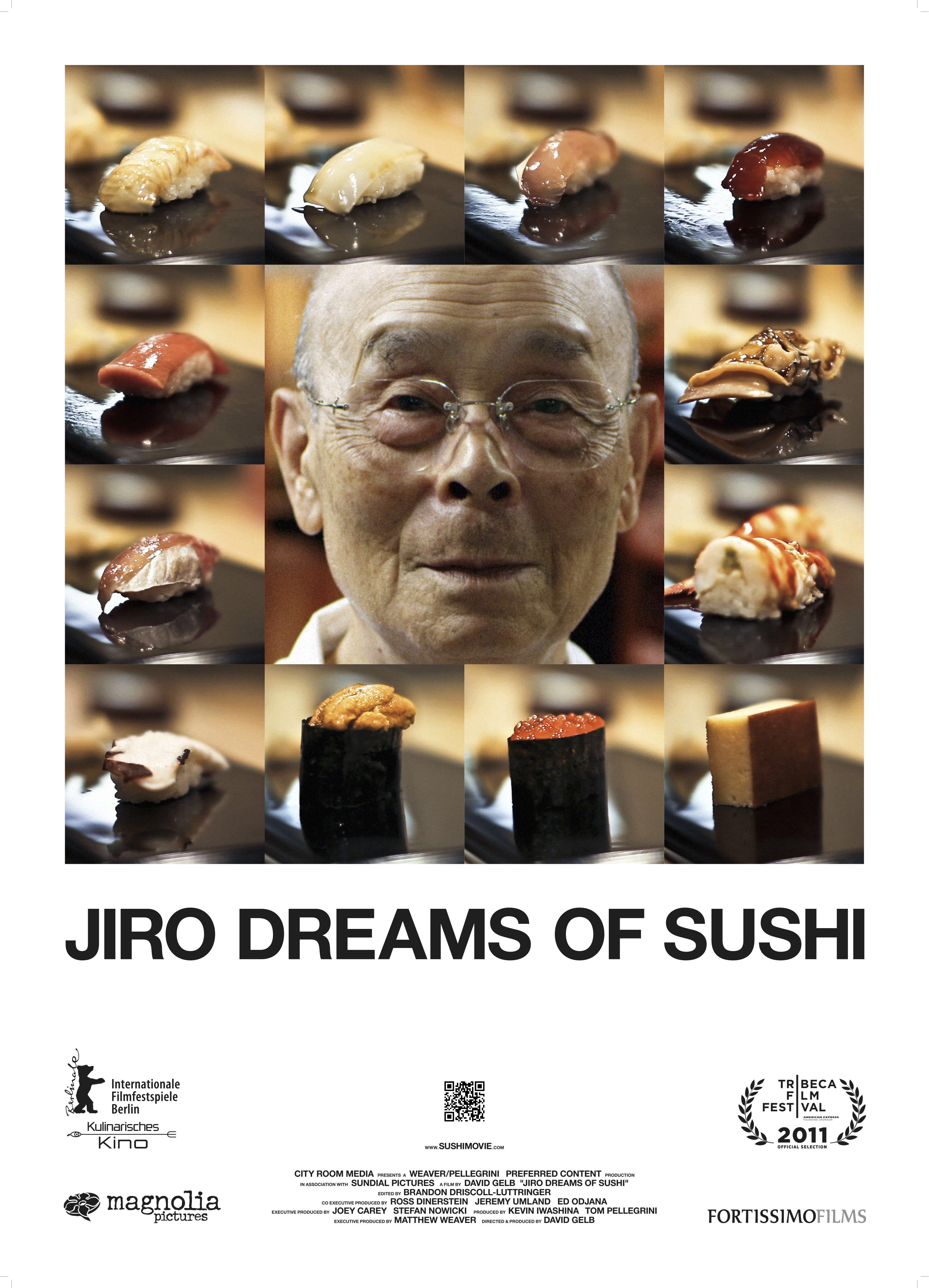
Jiro Dreams of Sushi


This rather wonderful documentary was recommended to me nearly four years ago, when I visited Japan. 

With the hustle and bustle of family and working life I’d forgotten it; but thanks to the digital traces we leave everywhere, I re-found it the other day. 

I hardly ever watch TV and never have time to watch a film alone. But I consumed this in four (sushi-sized) chunks on my iPhone over this weekend. 

Jiro has made sushi for more than 70 years: and lives, works and dreams of nothing else.

It is Japan – its culture of craft and specialisation and seeking perfection – in a nutshell; or an eggshell given the 10 year of apprenticeship Jiro expects before you are allowed near the eggs…

https://youtu.be/AbucAp3-ahg 

Knots, Seeds and Red Lights


I’ve just finished Thich Nhat Hanh’s ‘Peace is Every Step’. 

It’s never a bad idea to have a Buddhist book on the go in the pile by the bedside. The basic precepts of living in the moment, breathing and mindfulness are always a good antidote to the hurry and rush of modern life.

This one is a little twee in places, but the Vietnamese Monk is as deep as he is light, and there are some memorable ideas in here.

Three that have stuck with me: 

1) Breathe when you see Red Lights – Thich Nhat Hahn points out that ‘while we are driving we only think of arriving’. So every time we see a red light (and in suburban London that’s every 10 seconds) as he gently puts it ‘we are not very happy’. Not half. His tip is to take a red light as a cue to focus on your breathing – and it really works… And not just in the car. I’ve found a couple of times on a bus this week that just as I’m starting to get het up at the queue of red brake light in front of us, a turn inwards and a consciously deep breath – and peace miraculously breaks out in my previously troubled soul.

2) Avoid Knots – any time something bad happens that we don’t understand Thich Nhat Hahn suggests a ‘knot’ is tied in us. If we deal with it – through reflection and understanding – the knot is easily untied. If we leave them though, the knots get stronger and tighter. And this is particularly the case with those we spend most time with. The best thing we can do for those closest to us is to help them untie their knots, but if you’re all tied up yourself the odds are you’ll be making them more not less knotty.

3) Think about the seeds you’re planting – like a pot of peaty soil we all readily grow the ’emotional seeds’ which are planted in us. Plant a healthy, ‘happy’ seed and more will spring from it – let a hostile, angry seed sprout and Thich Nhat Hahn assures us the seeds of hostility and anger will spread. 

A deep breath on the bus, a few of my own knots untied; but the most important things I did this week were to stop seeds of hostility sprouting in a few places at work. 

My top New Year’s Time Management resolution from Chris Croft has been to have a daily diary reminder titled ‘biggest problem’ as my first job of the day. 

Thanks to Thich Naht Hahn I changed it this week to ‘Biggest Problem/Most Difficult Thing’. And one of them was to email, while walking into work, to explain and apologise to someone I’d talked at and talked over in a large forum. 

Knot untied, seeds of future trouble nipped in the bud and onto a bus; red light – relax and breathe. Life is good.

Scienceing the sh1t out of it

I met some old professional friends for an annual reunion yesterday; and was pressed (as we all were) to recount my year. This made me think. 

First what did I want to say, why and to what purpose? Second, write it down (good old Chris Croft at work here again).

So I chose to describe my last year/18 months through five books:

1) Fierce Conversations

Gifted me by some free coaching from my previous employer, I was far more honest than I normally would be in workplace assessment; and was suitably diagnosed as: perfectionist, passive/aggressive and chronically unassertive with a strong tendency to take the problems of the world on my slender shoulders.  

Prescription: more ‘fierce conversations’ to assert my needs and proactively and reasonably manage the expectations of others.  

2) Depressive Illness – The curse of the strong

Faced with the first sight of what my new job entailed, I realised I’d made a horrible mistake… Massive construction projects with big problems, chronically unhappy people, no status, no power, no levers and probably hired as a fall guy. 

A very deep and sudden slump in my mood was explained and then arrested by this priceless little book. And since I’ve helped three other people by buying it for them. 

The essence: if you always work harder when more pressure comes on, and you don’t feel you can escape, you will blow a fuse. Simple and unavoidable; your body does for you what your mind won’t and cuts the power.

Prescription: ‘leave the Hoover in the middle of the room’ as I’ve written before; learn to deliberately leave some tasks undone, and some people potentially disappointed, as the inevitable reality of more demands than you can possibly meet.

3) Learned Optimism

Now this has been a BIG change… having written on it before I won’t rehearse it again.

Prescription: unless you are an Air Traffic Controller or a Loss Adjuster, as Eric Idle famously sang ‘always look on the bright side of life…’

4) The Anatomy of Peace

The simple if obvious discovery, that, nearly everything that happens to you, spirals out from your own attitudes and behaviour towards others. Correcting the behaviour of other people directly (however selfish, antagonistic or hurtful) is impossible; the only way to change things in others is by startling with yourself. 

As I said to someone this week, quoting Oogway from the marvellous Kung Foo Panda: “a man often meets his destiny on the road he takes to avoid it” as here

But I have discovered progressively (since an epiphany half way through this book on our family holiday in Italy last summer) change how you yourself are ‘being’ and everything else changes for the better. 

Prescription: stop trying to correct things in others and invest in listening, understanding and accommodating them.

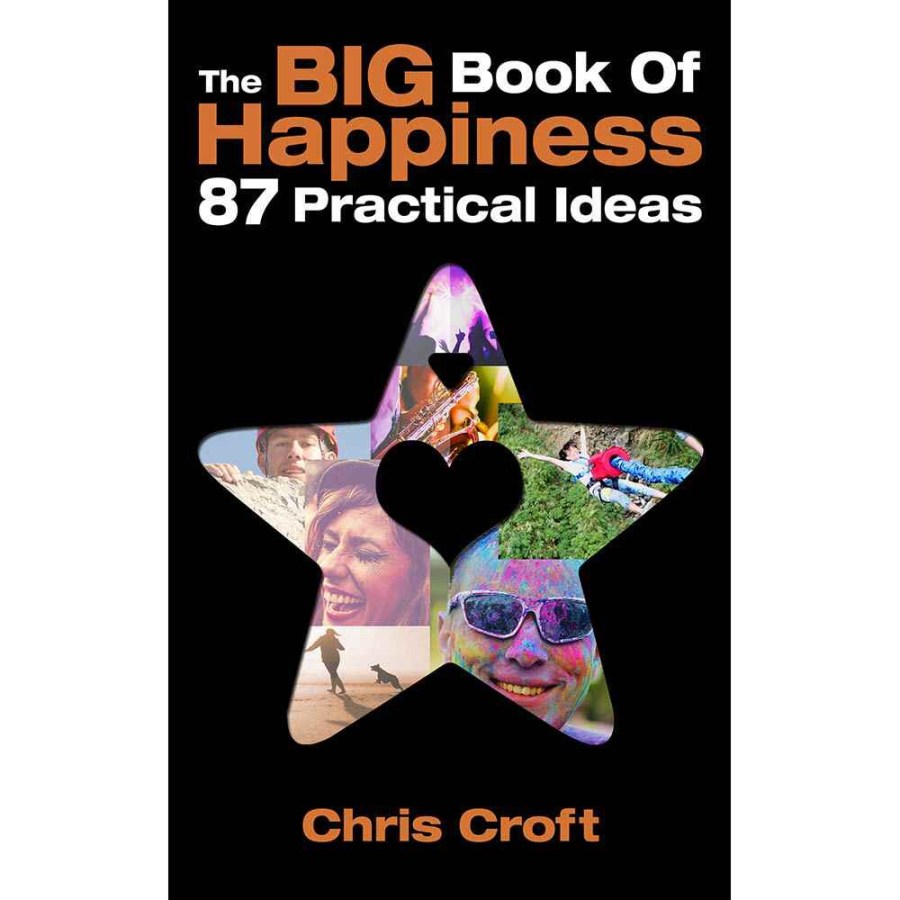
5) The BIG Book of Happiness – 87 Practical Ideas

My current favourite – there’s just so much to learn from this as here

Having reeled of my five books and the linking story, one of my pals said: ‘it’s quite impressive how you’ve analysed, researched and read stuff and figured out a way through all this.’

That struck me as very kind. I’d simply thought of it as ‘installing new upgrades’ and a few ‘power ups’ as my son would say. 

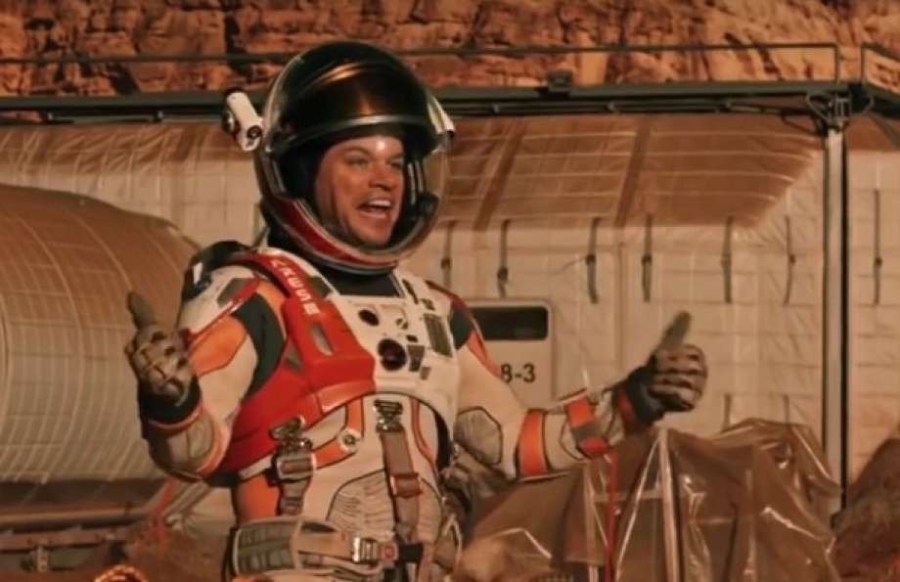
But on reflection later in the day, I concluded I’ve largely followed Matt Damon’s advice from ‘The Martian’ when he was faced with a hostile climate and a low apparent chance of survival – I’ve scienced the sh1t out of it. 
Little Black Book

Among the numerous insights in Chris Croft’s excellent Happiness canon is this one – write everything down…

In my constant reinventions, modernisations and innovations I’d stopped doing this; at least with pen and paper. I gave up my A4 pad at work in the mid-2000s and gave up paper altogether a couple of years ago. But at what cost? According to Chris, a valuable contribution to productivity and achievement from my subconscious…

Although I’m not short of digital reminders, they’re somehow less real. Much like the realisation that reading on a Kindle leaves you with no sense of where you are in a book, similarly digital reminders feel more ethereal – they register in a different way than taking a pen and writing an action down.

Perhaps its a generational thing… albeit my Philosophy degree notes fitted comfortably in a co-op plastic bag, at least I’d written them down. I learned by writing. Perhaps I still do.

But the bigger idea is to harness the self-conscious; so the 95% of our brain which does stuff automatically without troubling us for permission, is harnessed to a purpose and to more purposeful action. And it works!

I’ve dug out the little Moleskine black books I used to use when travelling for work, plus a nice pen and I’m writing things down. Productivity up, fear of forgetting down and a reconnection with deeply human artefacts – an ink pen and nice little black book. Lovely.

Happy Christmas

I’ve had a Happy Christmas and a joyful start to 2017; not thanks to Santa, but a dead sensible British bloke who has written a book I’d recommend to anyone.

‘The Big Book of Happiness 87 Practical Ideas’ is a no-nonsense guide to how to live.

The point of it all, self limiting beliefs and behaviours, getting organised, writing down and pursuing your goals – and the value of dabbling in things. It’s a cracker.

If you read nothing else this year read this… If Aristotle were around today, it’s the book he’d write.