Rubbish

IMG_2520.PNG

I know art is in the eye of the beholder. Indeed, I’ve read that pre-1790 pretty much everyone painted and built in their country or culture’s accepted prevailing style. Self-conscious choice of ‘Art’ was a 19th century invention, but still…

This 1748 painting has been bugging me for some weeks – since it appeared on my DailyArt App – and I’ve finally decided that it is rubbish.

Finely wrought, technically correct but simply rubbish. Duff setting, inane message, bad colours and overwrought emotions. I’m no doubt a victim of the modern era. Maybe future generations – as those of the past – will come to venerate it.

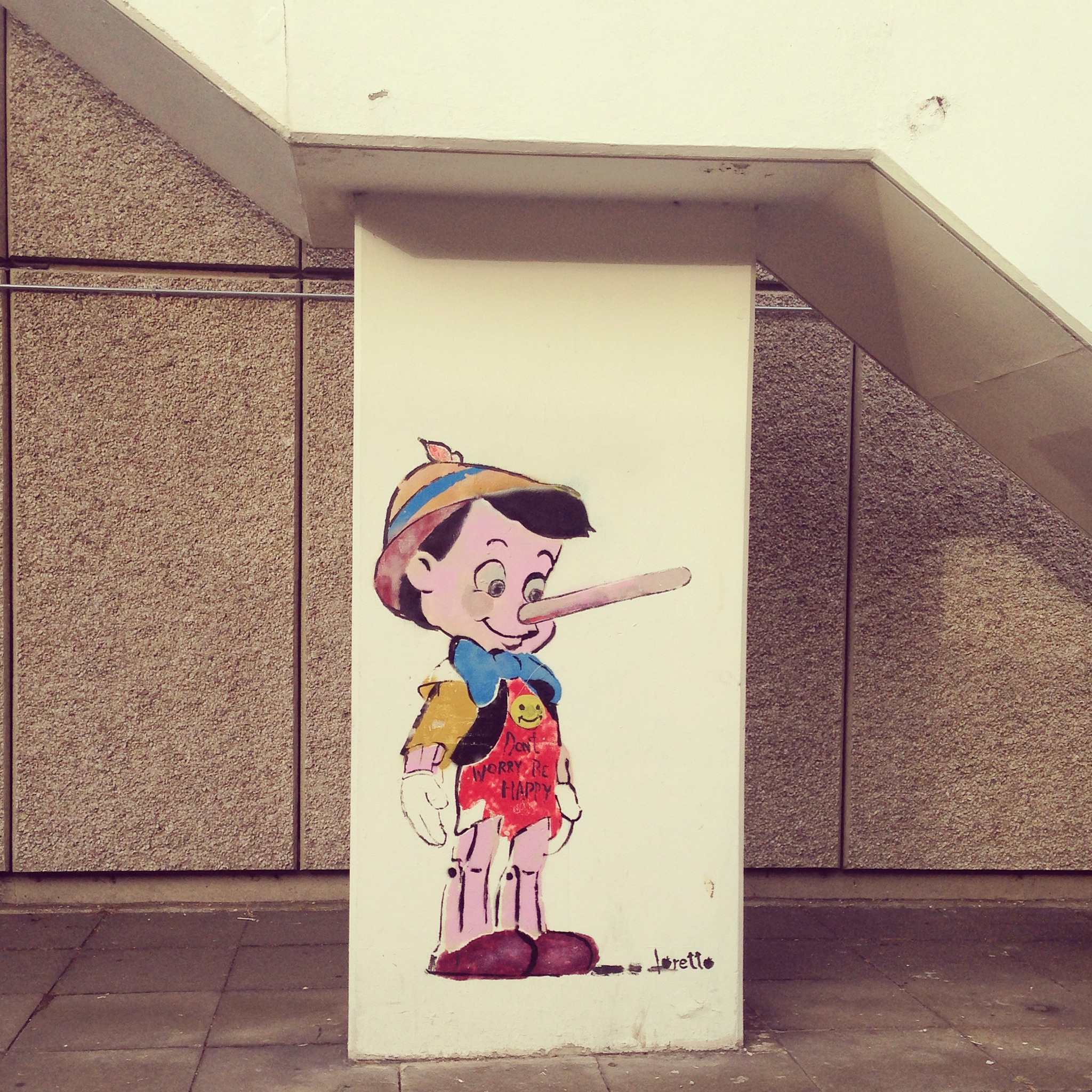
But for me Los Angeles (where it lives) is very welcome to it. Give me a Greek statue, medieval tableau, crazy early Renaissance perspective, Leonardo’s cadavers, Durer’s rabbits, Van Gogh’s psychedelic skies, Malevich’s knife cutter or even our local Pinocchio sprayed on a concrete stairwell.
IMG_2519.JPG

But Boucher’s ‘Fountain of Love’ has run dry for me.

As Aristotle famously said: “It is the mark of an educated mind to be able to entertain a thought without accepting it.” I keep looking at this picture but I can’t see it.
Chinese Art

IMG_2462.JPG

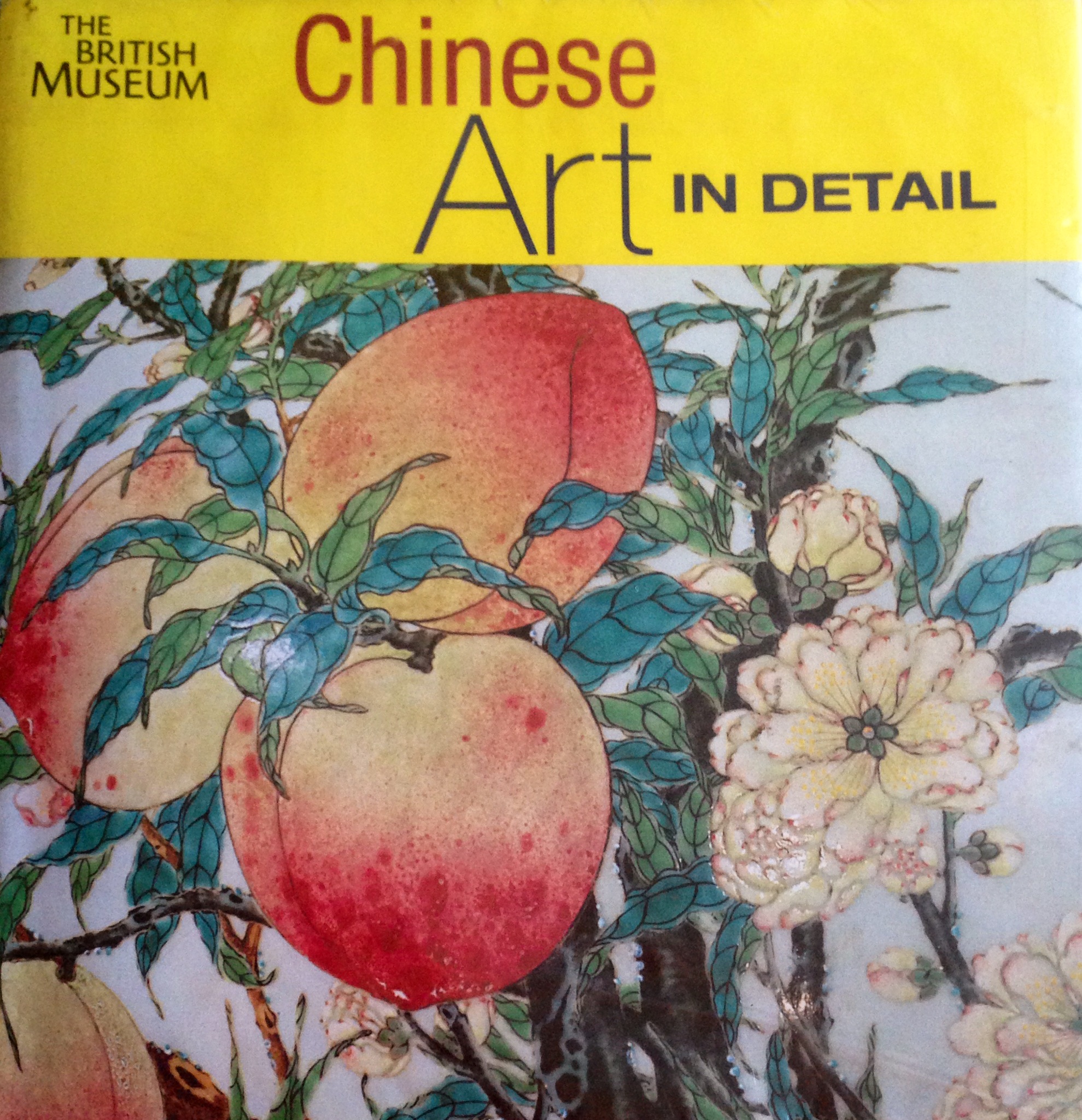
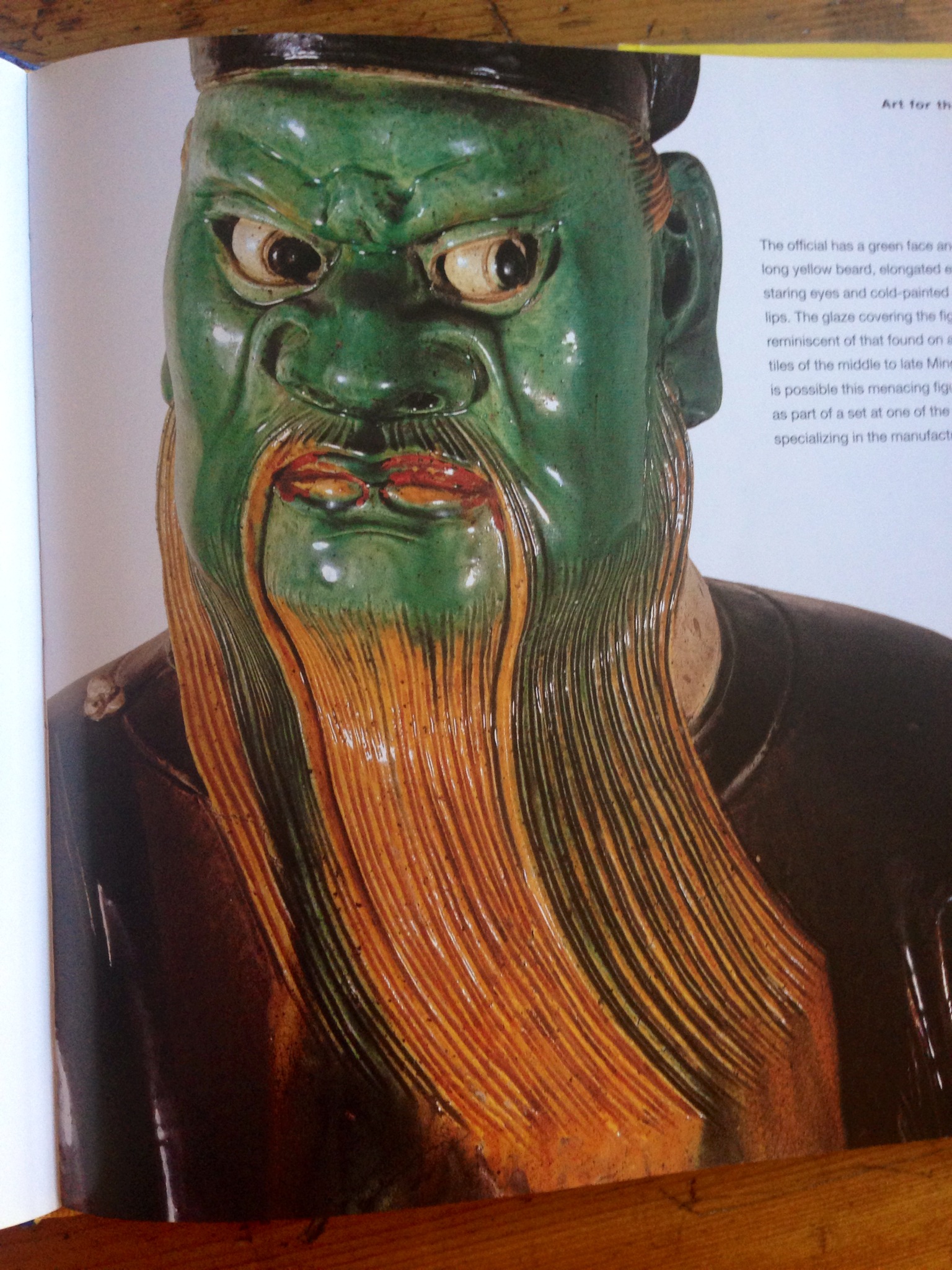
Hats off to the British Museum for combining fine photography with clear writing to explain ‘Chinese Art in Detail‘ to a beginner. That’s surely what museums are for – to blow away any cobwebs and bring their collections to life.

I learn that the hierarchy of Chinese art places calligraphy and painting at the top, closely followed by jades and bronzes – as objects of scholarly reverence and contemplation – all sitting above the decorative arts: lacquer, porcelain and silk. Sculpture was reserved for graves, temples and shrines.

IMG_2463.JPG

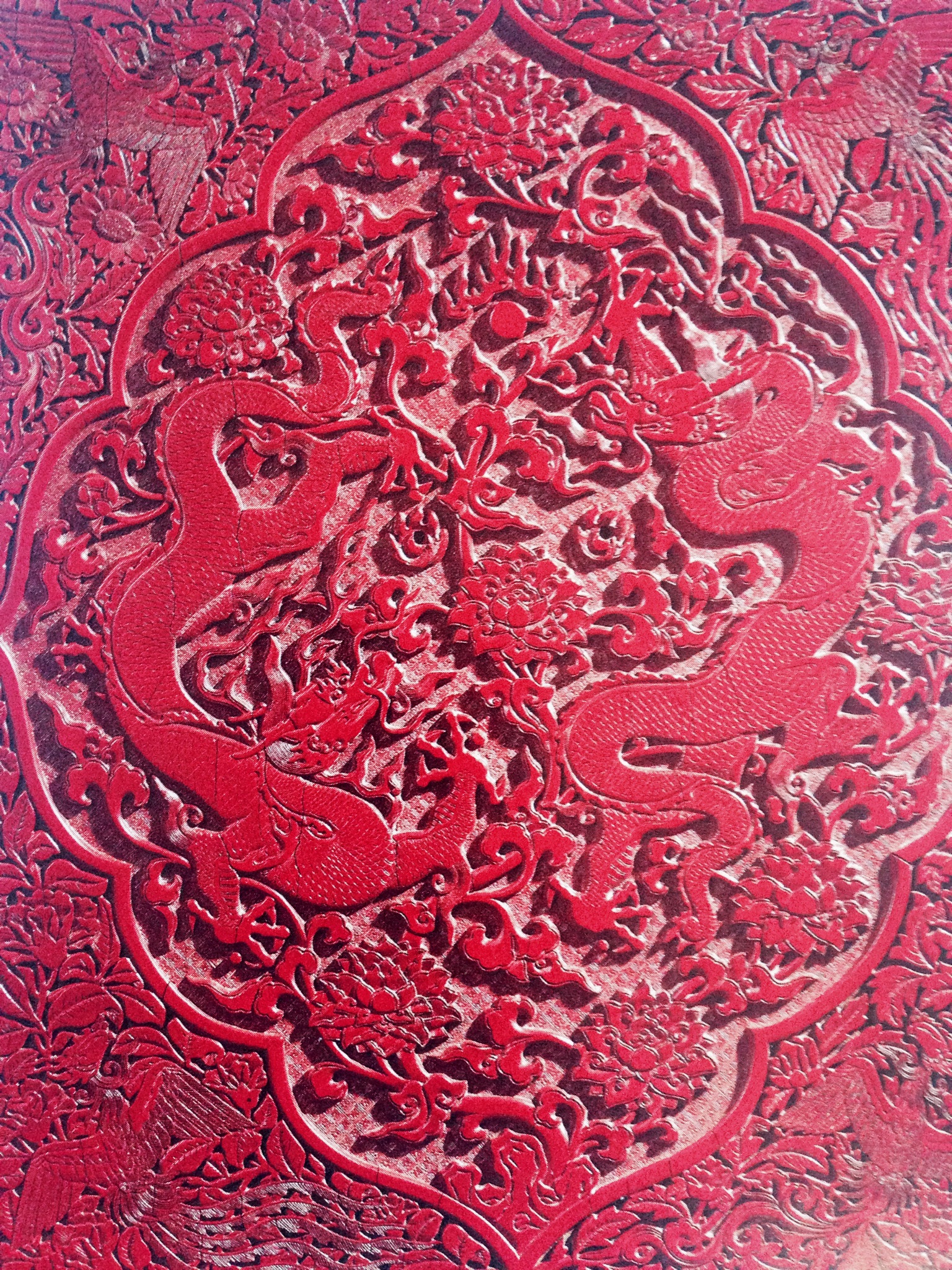
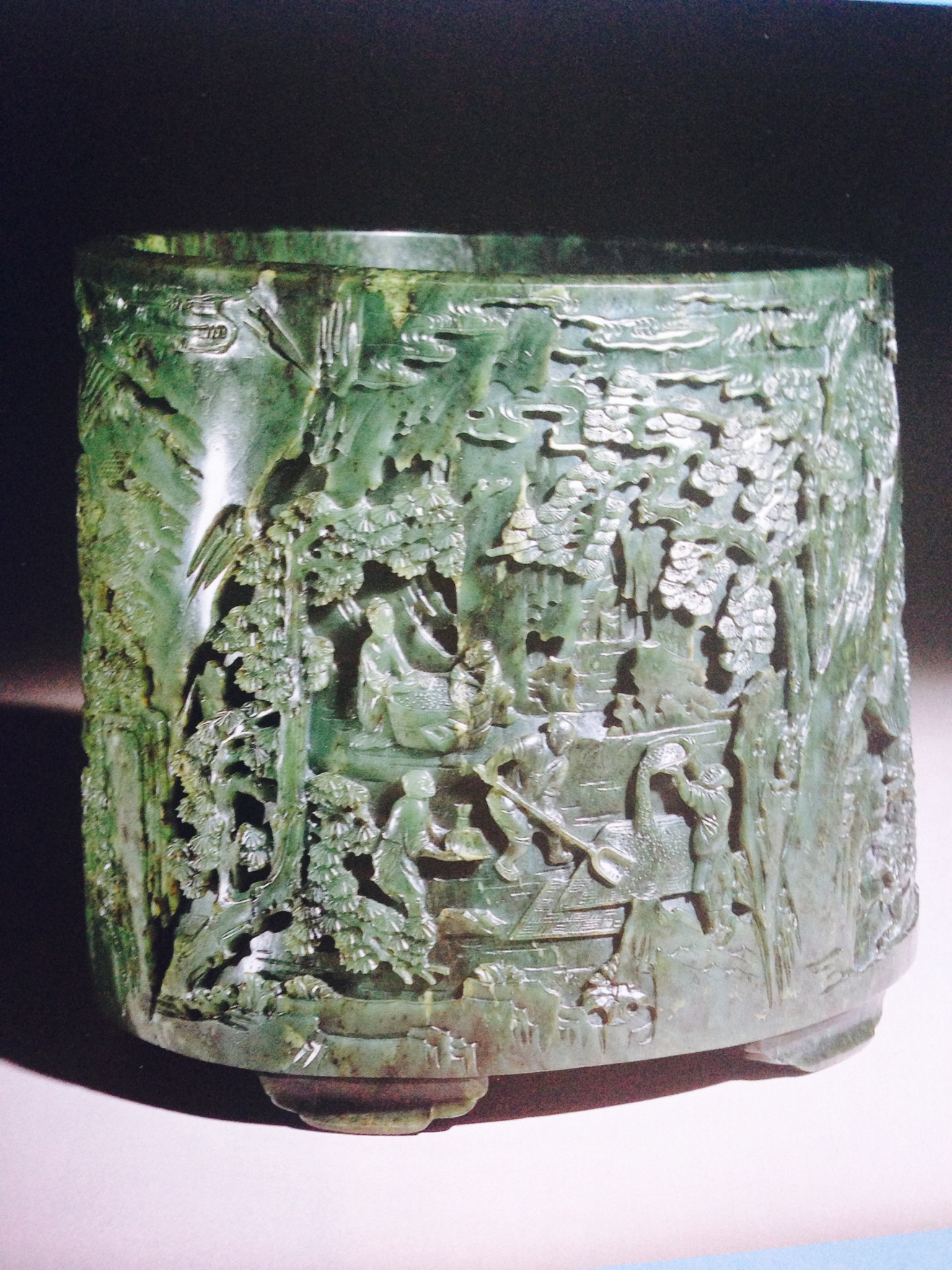
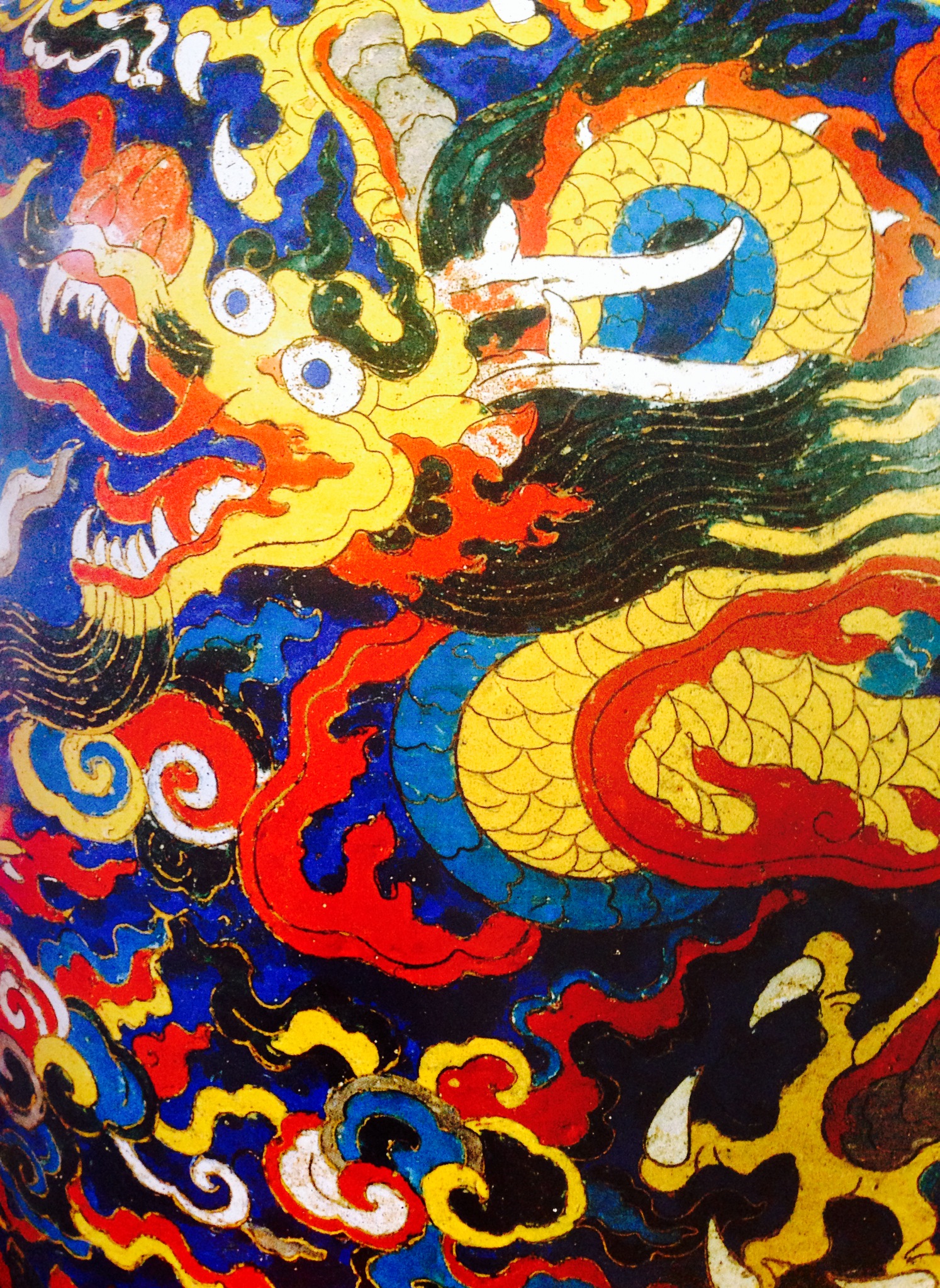
A five toed dragon reveals an imperial purpose (a toe was chipped off lacquer work if it left the emperor’s palaces) while scholars practised the ‘three excellences’ of painting, poetry and calligraphy (with incredibly intricate jade brush pots) producing mystical landscapes designed to express their cultivation.

IMG_2464.JPG

But most remarkable is the scale and organisation of Chinese arts and crafts. Genuine mass production dates back to well before the Han Dynasty (208 BC to 220 AD) with multiple stages, many distinct craftsmen and multiple inspectors producing the highest quality lacquer and porcelain in great quantities.

Only China knew how to produce silk or fire fine cobalt blue porcelain for long periods of history. And China’s vast scale of production ensured Chinese design served and responded to the insatiable demand of the silk routes, the near East and Europe for many centuries.

Cranes, peaches, fish, all symbolise long life and prosperity. And China’s arts and crafts often secured them for its many imperial dynasties. Bronze, jade, lacquer, porcelain, silk, scrolls, statues, woodblock prints and more – there may be no oil paintings, but the details and workmanship are amazing.

IMG_2466.JPG

Well done to two UK public institutions of culture – a small seaside library and the unmatched British Museum – for bringing them to life from centuries past to the present day. China is as much a part of our collective past as our present and future – and this book shows its intricate art is worth a closer look.

IMG_2460.JPG

Bananas

20140806-195256-71576529.jpg

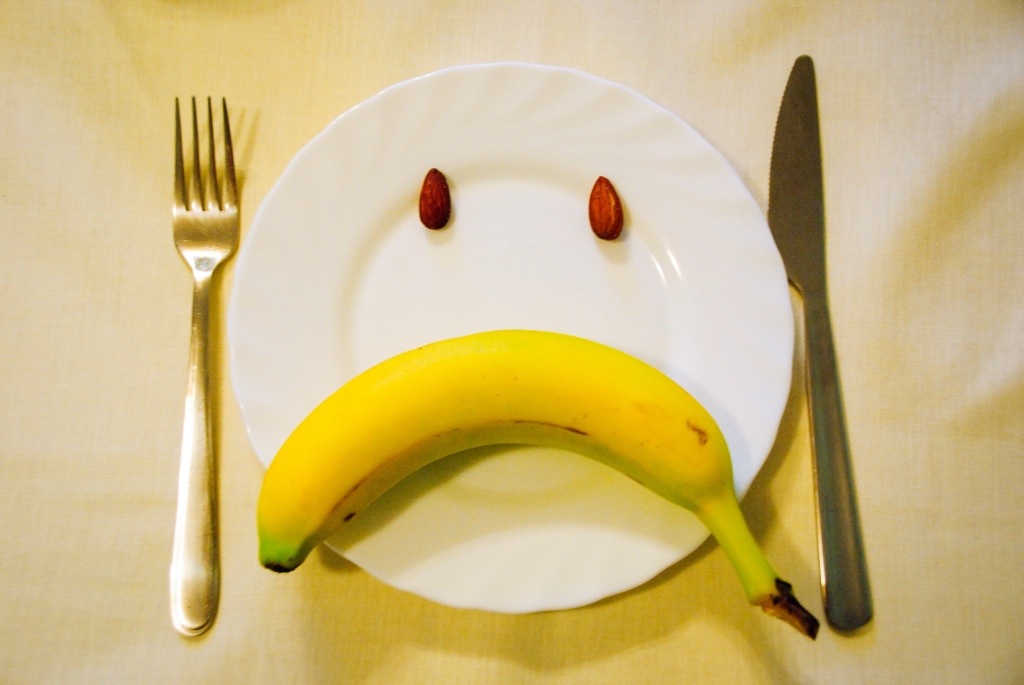
More wit and wisdom from my thought-provoking son. On being pressed to eat a banana instead of a biscuit…

“Go on you used to love bananas” his mother says. “Even your sister likes them now – just have a bite.”

Amenable (broadly) as ever, he takes a nibble. “Hmmm. Nice”. But on a moment’s reflection the boy summarises the humble banana perfectly:

“Bananas are like a battle between nice and nasty, aren’t they.”

And isn’t that the truth. Nasty always wins in my book.

But the combo of sweet, soft, slimy, tart and sickly is exactly that – the ultimate food battle: ‘Nice vs Nasty’. It’s the kids campaign slogan bananas have been waiting for.

Wise words, from a small but increasingly big thinker.

All Smiles

20140802-220012-79212516.jpg

After too many months under an oppressive cloud, it’s all come right in the last two weeks.

During a perfect family holiday last week, the sun never set. It even shone as I rolled our usually sodden tent – this time blissfully dry – back into its bag.

This week, I returned to masses of opportunity with TV, radio and print, change at the top and a super trip to speak at and see a successful Glasgow 2014 – it’s all good.

But perhaps best of all, I’ve rediscovered a smile. Walking out of the cinema this afternoon with the boy and the missus, I gave the ticket man a big grin and a cheery “Thank you”. In return I got not one, but a spontaneous double thumbs up! Smile and the world smiles with you.

It feels good to be out from under the the last few months. And to be smiling again in the summer sun.

: )

Maximum Kindness

20140730-215740-79060399.jpg

My son (who is kindness personified) came downstairs, this evening, keen to finish a conversation with me. We headed back up to his bed and he expanded on his earlier thesis…

This was that ‘kind kids’, once they reach ‘maximum kindness’ can give some of their kindness to their Dads making them kinder too. We’d agreed that probably does happen, and I’d become kinder since he’d been in my life.

The development in his theory (which he wanted to discuss immediately) was if you had ‘kind kids’ and they topped you up to ‘maximum kindness’ then maybe some of your kindness might spread to other families – making them kinder – and then maybe in a month or (maximum) a year everyone in the whole world might become kind.

Given everything that’s going on in the world, it might not happen this year. But a bit of compassion and kindness goes a very long way – the Dalai Lama can give you chapter and verse on that.

And with the amount of it my son has, I couldn’t be more fortunate. A top up to ‘maximum kindness’ is always just a conversation away.