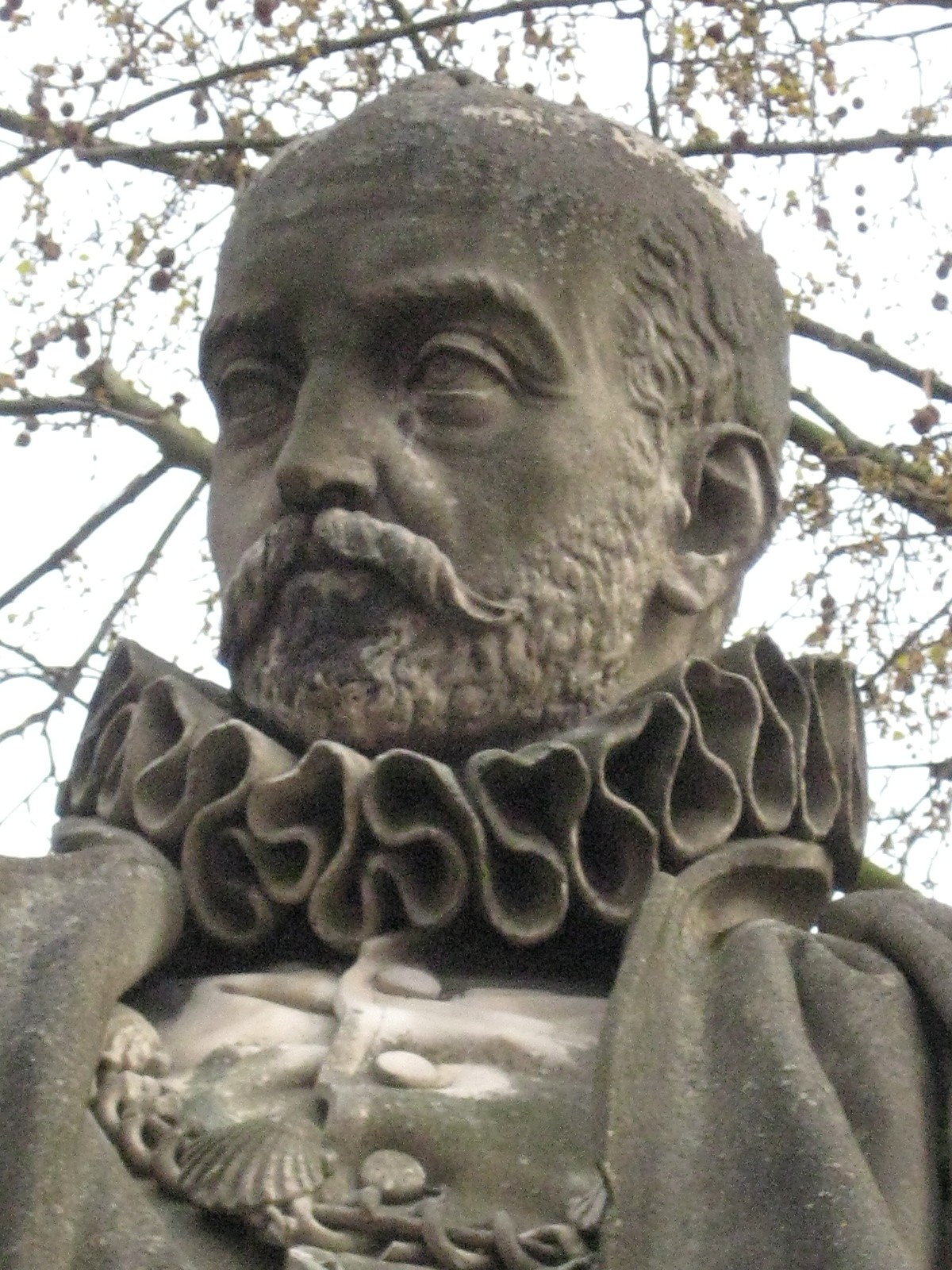
 I’ve just started reading some Montaigne. He seems a splendid chap, not least as you can get to know him so well through his 1000+ pages of observations on the profound, trivial and mundane. As Wikipedia has it “Montaigne’s stated goal in his [Essays] is to describe man, and especially himself, with utter frankness. He finds the great variety and volatility of human nature (not least his own) to be its most basic feature.”
I’ve temporarily closed the book on Kierkegaard. I’ve certainly enjoyed him, for all his inherently untestable and unprovable ‘leaps of faith’, his requirement for ‘innerness’ and his argument for the complete subjectivity of existence. By comparison the great humanist Montaigne promises to be a refreshing gallop through a more worldly form of ‘existentialism’ – living and documenting a unique and full life.
Whilst out riding one day in his mid thirties, Montaigne had a near death experience. He was badly crushed by another man’s horse. The episode apparently convinced him that death wasn’t worth planning for, or agonising over. Everything you need for the ‘big day’ is already given to you by nature, be you philosopher or peasant. He concluded you never truly ‘meet’ death anyway, as his experience suggested you’re likely to be semi-detached in gentle delirium on the day itself. Stop thinking about it, and get on with living, was his post accident conclusion.
The worlds first ‘essai-ist’ or ‘trier-outer’ in French, Montaigne wrote on everything. Giving up the responsibility to analyse, sense-make or edit, he just wrote about what struck him. A sixteenth century Stephen Fry.
Many have described encountering Montaigne as meeting and making a ‘friend for life’. He is so open, transparent and eclectic, we can all see in him the meandering of our own minds. Mid-way through his life he packed in ‘objectivism’ and seeking to transcend the human condition and got on with the ‘subjectivism’ of living.
On death, as Seneca had largely observed a millennium before him, Montaigne advises in his essay: That to philosophise is to learn to die:
“Wherever your life ends, it is all there. The utility of living consists not in the length of days, but in the use of time; a man may have lived long, and yet lived but a little. Make use of time while it is present with you. It depends upon your will, and not upon the number of days, to have a sufficient length of life.”
He says at the start of the essay:
“Let the philosophers say what they will, the main thing at which we all aim, even in virtue itself, is pleasure. It amuses me to rattle in their ears this word.”
His advice, encouragement and goad for living is:
“Why not depart from life as a sated guest from a feast?”
Why not indeed. I suspect Montaigne will turn out to be a lively and engaging companion for my next gallop.


 Achilles & Aristotle