Public Virtue

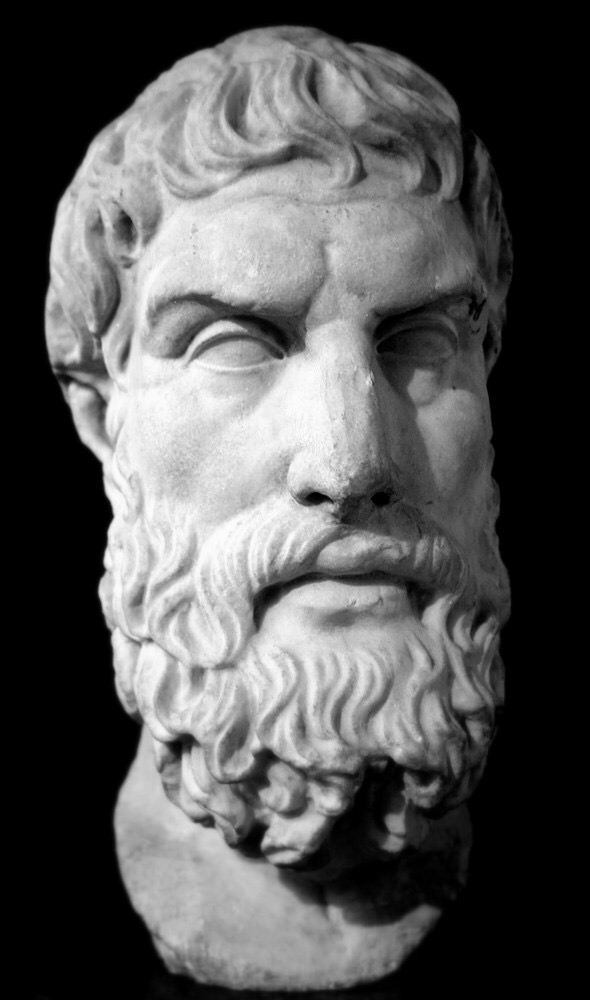
By temperament I’d probably prefer an Epicurean life. As Wikipedia has it:

For Epicurus, the purpose of philosophy was to attain the happy, tranquil life, characterized by ataraxia: peace and freedom from fear and aponia: the absence of pain and by living a self-sufficient life surrounded by friends. 

Following Alain de Botton’s lead, I think of this as seeking ‘The Garden’; an idealised  Mediterranean retreat surrounded by carefully selected friends, passing days in contemplation -with occasional breaks for olives, bread, jamon y queso and other light delights… 

But working and family life – especially the middle years – aren’t quite like that are they.

And given I’ve taken Aristotle as my guide, his ‘good life’ comes with a much higher bar; what I’ve come to think of as a life of ‘public virtue’.

Here’s a list of 11 things an Aristotelian life of public virtue requires, in a blend of my words and his; re-found last week looking at those ‘to do’ lists from 2010:

A life of Public Virtue

Courage: does my courage suitably balance fear and confidence?

Temperance: am I self-indulgent or unduly ascetic?

Liberality: am I generous, profligate or mean?

Magnificence: do I visibly give my time and money to good causes?

Pride: am I vain or unduly humble; do I step forward or stand back from noble actions and undertakings?

Honour: am I sufficiently ambitious or am I too unambitious?

Good Temper: am I good tempered, irascible or too meek?

Friendliness: am I friendly, obsequious, a flatterer or quarrelsome?

Truthfulness: am I boastful or mock-modest about my achievements?

Wit: do I sparkle or am I dull?

Friendship: am I generous in my friendship, a loner or spreading myself too thinly?

Tough tests these. 

Based on this higher Aristotelian standard, I’ve pushed myself this week: more courage, less obsequiousness and ‘mock-modesty’ – and a spot of irascibility too; telling a couple of people to b#%%€r off. 

In sum: standing for, standing against; and not just standing by on some things which need to be better.

Public virtue requires a bit of courage and a bit of oomph; a public life can’t always be a peaceful one free of fear and pain.

Good also to remember, this week of all weeks, what US ‘Founding Father’ John Adams had to say on the importance of public virtue:

Unforgettable

Thinking back to my youth, I remember the sounds and smells of a steam-filled Sunday Roast kitchen at a great pal of mine’s house. Lamb, gravy, two types of potatoes and usually two pudding pies; fit for a King. 

And always in the background there’d be Nat King Cole, Sinatra and Louis Armstrong on the radio. 25 years on and that era of music always transports me back to a Lancashire kitchen.

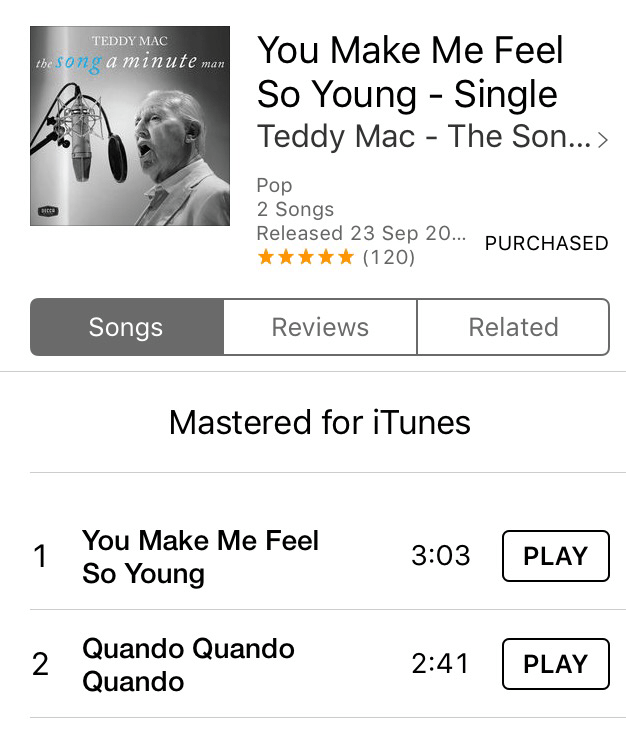
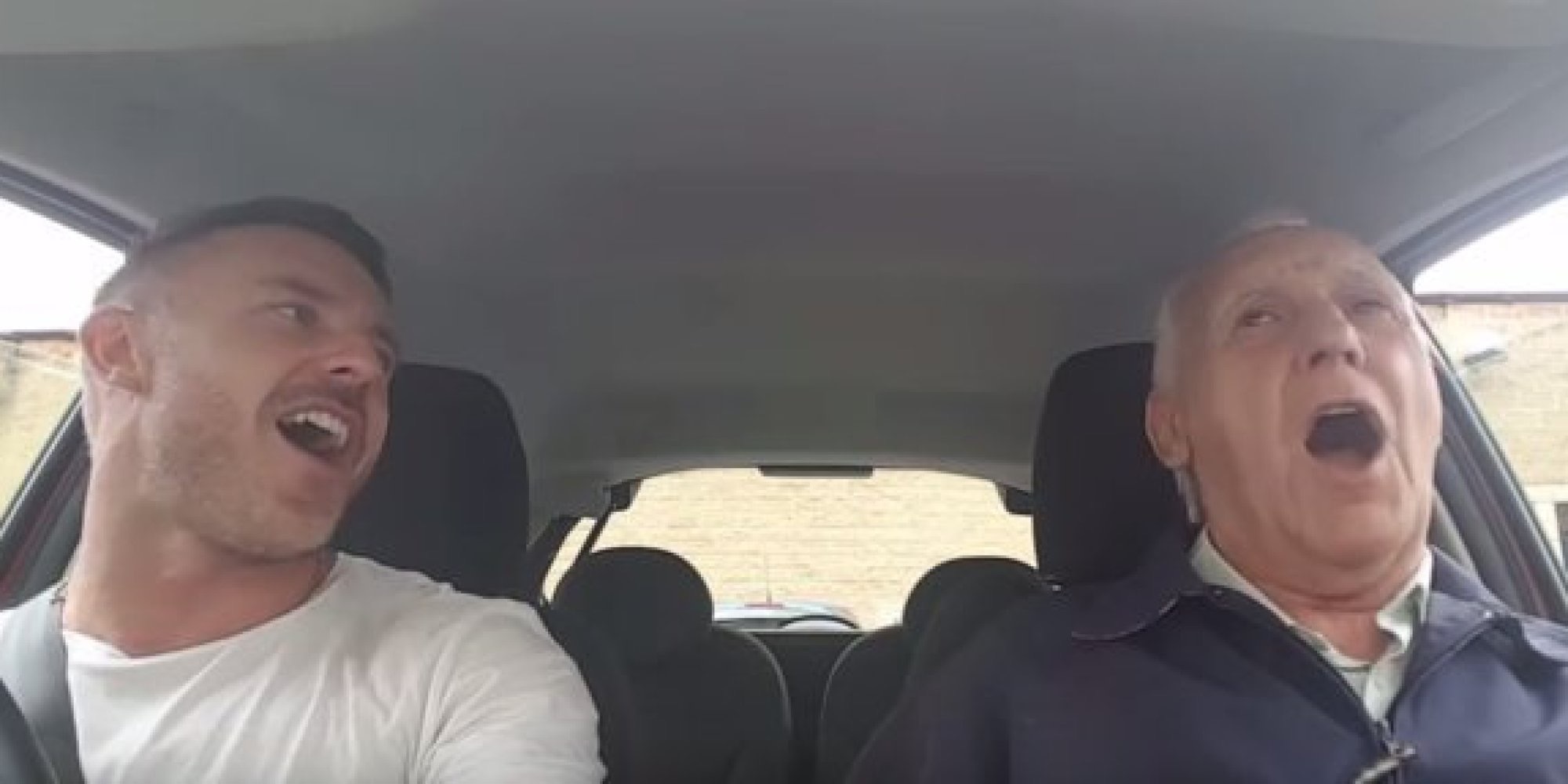
Bittersweet then to hear of Teddy Mac (above) the ‘Songaminute man’ who at 80 has advanced Alzheimers, but still belts out a show tune in the car with his son, like in his holiday-camp pomp as a Butlin’s redcoat. 

Terry Jones the former Python has gone the same way we learn this week. And there but for the grace of God go us all.

But the uplifting story of Teddy Mac – whilst clearly no fairytale for his family – at least reminds us that the best memories and probably the most durable are often the simplest: a great tune, a tasty meal, a happy moment.

I’ve bought his rendition of “You make me feel so young” on iTunes; it makes me smile, and the proceeds go to Alzheimers research. I’ve also bought a copy for my pal, whose mum’s kitchen I’m sure I heard it in – it brings back happy memories.

Listen to You Make Me Feel So Young – Single by Teddy Mac – The Songaminute Man on @AppleMusic.


Stations on the road to Freedom

I shared Dietrich Bonhoeffer’s “Stations on the road to freedom” with an old friend this week.

I bought a copy of Bonhoeffer’s Ethicswhen I was searching for a famous quotation – which is actually by Martin Niemöller. Niemöller was arrested in 1937 by the Nazi authorities and survived first Sachsenhausen and then Dachau concentration camps.

Niemöller’s famous statement, reminds us that sometimes if you don’t take a stand, there may be no-one left to stand up for you:

“In Germany they came first for the Communists, and I didn’t speak up because I wasn’t a Communist. Then they came for the Jews, and I didn’t speak up because I wasn’t a Jew. Then they came for the trade unionists, and I didn’t speak up because I wasn’t a trade unionist. Then they came for the Catholics, and I didn’t speak up because I was a Protestant. Then they came for me, and by that time no one was left to speak up.” 

Bonhoeffer didn’t survive the war. His ‘Stations on the road to freedom’ were written in Tegel prison before his death at the hands of the Nazis.

His words really speak to me. But they have a few bits where God intervenes as the ultimate answer. Those bits aren’t for me. So with a gentle edit, here is my secular version of Bonhoeffer’s four stations.

Secular “Stations on the Road to Freedom” after Dietrich Bonhoeffer:

Discipline

If you set out to seek freedom, then learn above all things to govern your soul and your senses, for fear that your passions and longing may lead you away from the path you should follow. Only through discipline may a man learn to be free.

Action

Daring to do what is right, not what fancy may tell you, valiantly grasping occasions, not cravenly doubting – freedom comes only through deeds, not through thoughts taking wing. Faint not nor fear, but go out to the storm and the action, trusting in those commandment you faithfully follow; freedom, exultant, will welcome your spirit with joy.

Suffering

A change has come indeed. Your hands, so strong and active, are bound; in helplessness now you see your action is ended; you sigh in relief; so now you may rest contented.

Death

Come now, thou greatest of feasts on the journey to freedom eternal; death, cast aside all the burdensome chains, and demolish the walls of our temporal body, the walls of our souls that are blinded. Freedom, how long we have sought thee in discipline, action, and suffering; dying, we now may behold thee revealed.

As I said in an email to my good friend: 

“I’m doing ok on 1) Discipline and 2) Action, haven’t a huge amount to complain about on 3) Suffering by global standards, and I’m still in the prime of life – albeit number four will get us all in the end.”

“That and the greater number of protons which have cascaded across membranes in my body than there are stars in the observable universe in the time it has taken to write you this, are my thoughts for the day.”

I’m somewhere between half and two thirds down the ‘road to freedom’. Important, amid all the ‘action’ to remember that; and enjoy the ride.

Throwing Stones

Is there anything more annoying than egos. We all have them; but some people more than others.

I like to kid myself I don’t have a big ego. I probably do, but my saving graces are: I’m not bothered about being right, I’m not bothered about power for its own sake and I’d be quite happy with a quiet life.

Not so other people. I suppose I’ll have peace when they nail the box lid down on my old bones; and I’m in no rush for that – but this week has been a right old ball-ache. And all because of egos.

Thank goodness for the comforts of family. Children are usually pleased to see you, and my other half has rallied round. 

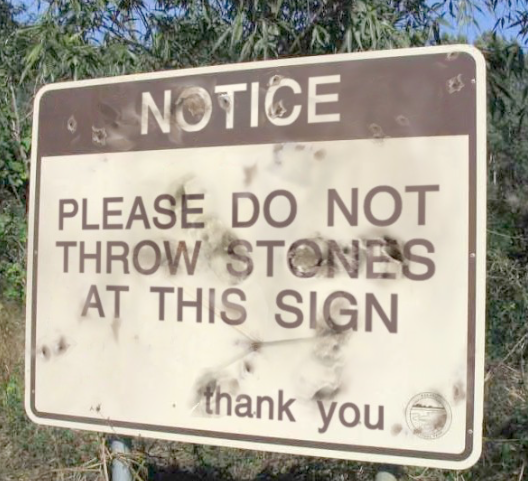
As I often say at work though, apparently humankind had two stand out strengths on the savanna plain: stamina and overarm throwing. Keep jogging after problems and eventually they fall to the ground – if you can avoid all the people throwing stones…

Alcohol or Algorithm?


On an exceptionally relaxing family break (with the in-laws last week) I had an epiphany; floating for the first time in my life in a hot tub…

If I feel like I have no time… if I’m often tired… if work (as Aristotle predicted) is “absorbing and degrading my mind”… and there’s no way out until my middle 50s… what’s the solution? 

The solution, requires a lot less C2H6O in it. Yes alcohol is terrific: a mood enhancer, a relaxer, a taker away of social inhibitions – it helps me (in the right circumstances) to be the life and soul of the party; or at least not a party pooper.

But alcohol is also rubbish: a low grade tranquilliser, a duller of the senses and a bringer of a fuzzy mouth and an even fuzzier head. And there’s the alcohol rub – it leaves you doped, dulled and dozy, and at times downright poorly.

I came to me, as I lolled in that hot tub – at this stage in my life and work, I haven’t got enough time to be regularly tranquillised, dulled and fuzzy; still less to be feeling below par. 

The opportunity cost of pouring that glass of red or a cheeky prosecco is a welcome numbness; but also a decline in judgement, self-control and useful activity… 

I begin to graze the fridge and sweetie cupboard, as my expanding waistline testifies. And since starting my new job I’ve been more and more attracted to the tranquillising effect… and that’s not good.

So the antidote to less time; is to consume less C2H6O. 

A weekend into my new regime, more jobs were getting done, more of the things I know are good for me – reading, cooking, washing, learning languages, domestic innovations, getting to bed earlier, exercise, cups of tea, hanging out the washing, sitting in the garden.

This week at work, I have carried all before me, with a combination of good cheer and industriousness. As well a packing in 10 hour days and a stack more exercise.

Not that most of this wouldn’t have got done before; but I’m far less tired, I haven’t eated half a kilo each of cheese and chocolate en route and I just feel better.

And so to the second half of my epiphany – if less alcohol is one good move, on what should I spend the time and energy dividend? I’ve bought a book on Machine Learning and algorithms to see what computer science and coding can offer a modern life… 

A life is, after all, just developing our own ever-improving Bayesian algorithm: as we see more, do more and learn more. Assuming we’re not sleeping off a heavy night that is.

But I’ll not be saying no to booze full stop. Oh no!

When there’s a fun to be had; people to enjoy a drink with and a reason to celebrate – bring it on. It’s just the routine quaffing I need to tackle. 

Or as my new Machine Learning book suggests:

  • If Situation = Social|Drink
  • If Situation = Kitchen|Don’t

The simple question is Alcohol or Algorithm? 

If there’s no good reason to be drinking, I’ll be trying not to – so I can have more time for thinking and learning and doing new stuff.