Relevant Complexity

Relevant Complexity Link

Here’s to a brand new year.

And to celebrate I’ve bashed out a new blog, based on what I’ve learned about life, the world and everything since I started Achilles and Aristotle in 2010.

Time flies – or rather it doesn’t; a lot of water has passed under the bridge since then. But ‘Relevant Complexity’ was a fairly early discovery, I first wrote about it in January 2012 here.

Like all good things in the writing life, the more you write about it, the more you think about it, the more it changes you and what you do – Aristotle said as much.

I’ll plan to keep both blogs going: this one as a reminder of what I was up to in years to come; the new one to remind me to live for the day and enjoy a life full of ‘Relevant Complexity’.

A Different Perspective

IMG_3150.JPG

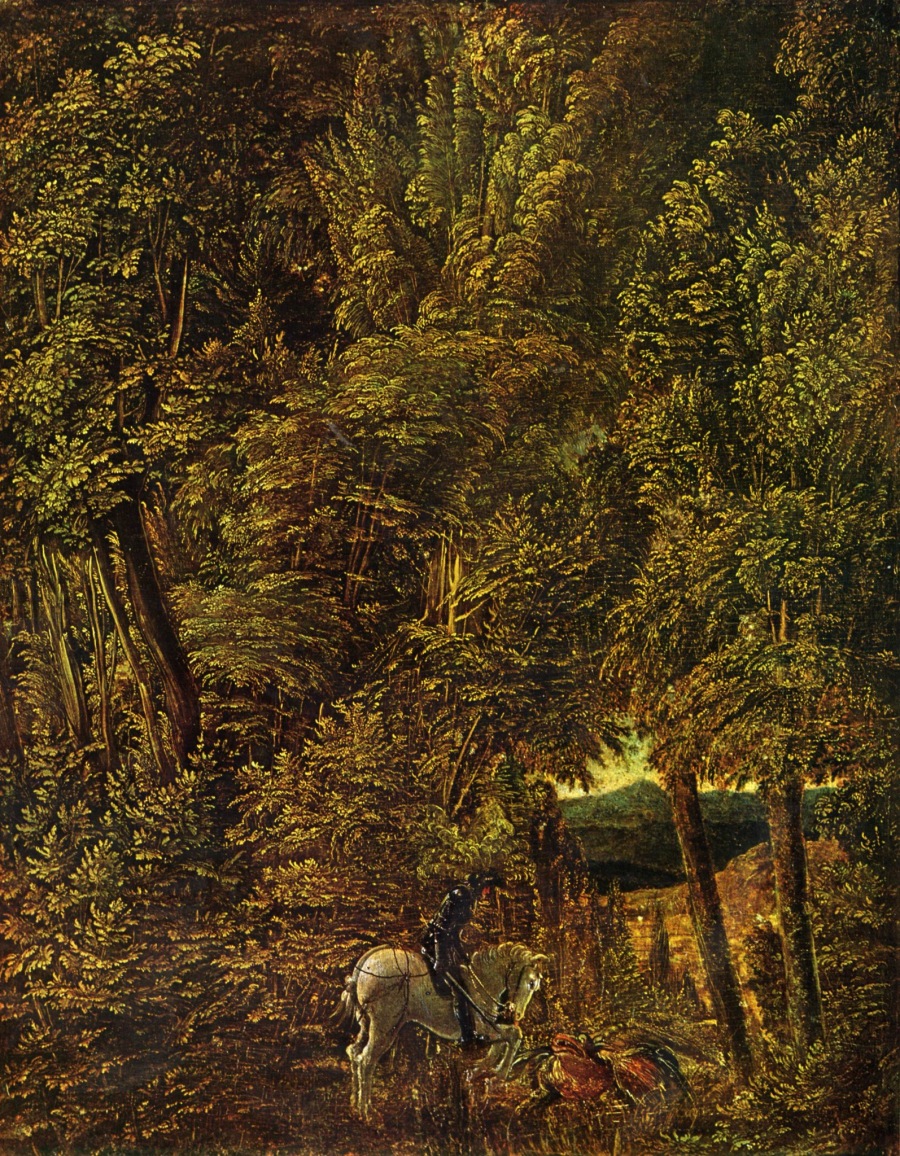
This week I discovered Albrecht Altdorfer’s ‘Saint George and the Dragon.’

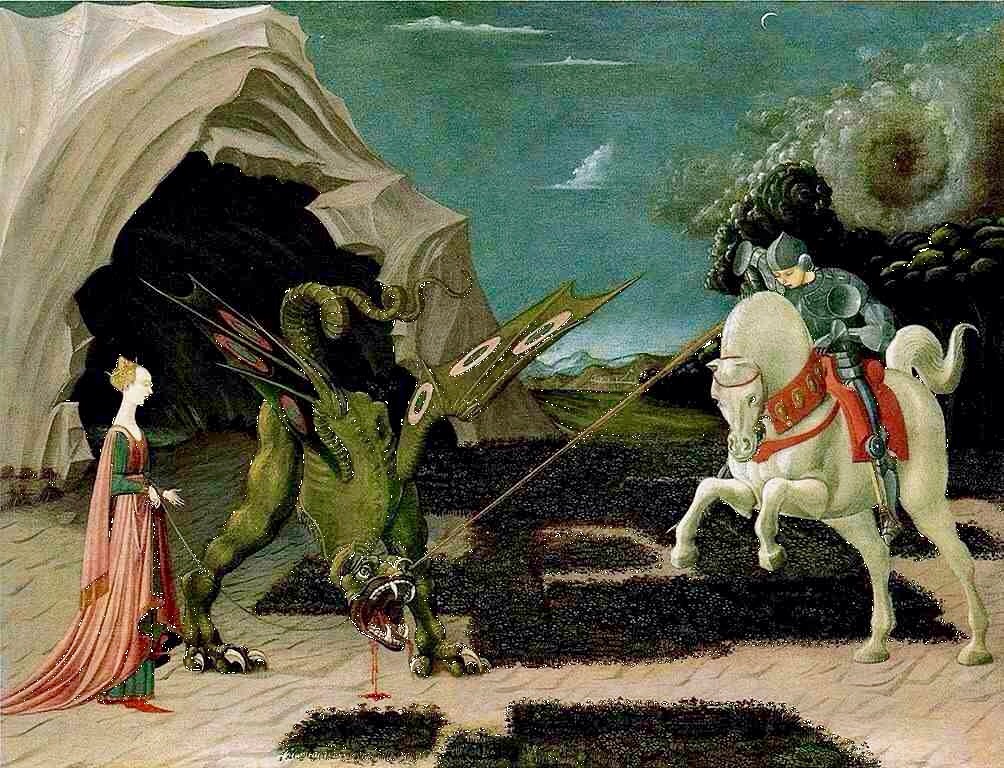
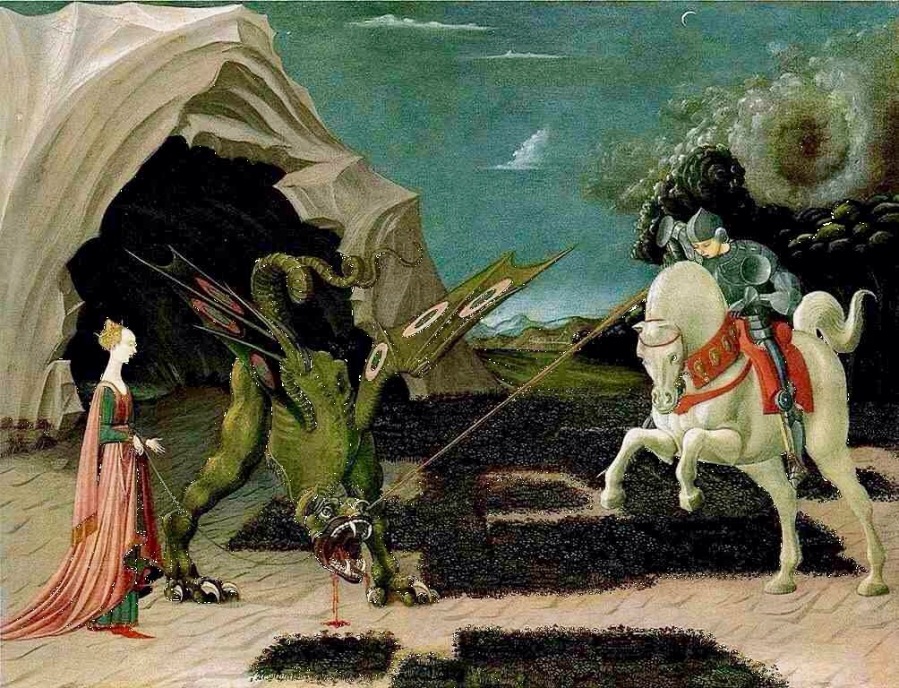
I’ve been inspired before by Uccello’s version, which heralded the Renaissance and redrew the rules of painting with its extreme perspective as below.
IMG_3155.JPG

But Altdorfer’s small panel painted in 1510 was revolutionary in its own right. It was the intermediate ‘evolutionary form’ between portrait and landscape. Within a decade of ‘Saint George!, Altdorfer was painting and printing some of the first “true” landscapes in Northern Europe.

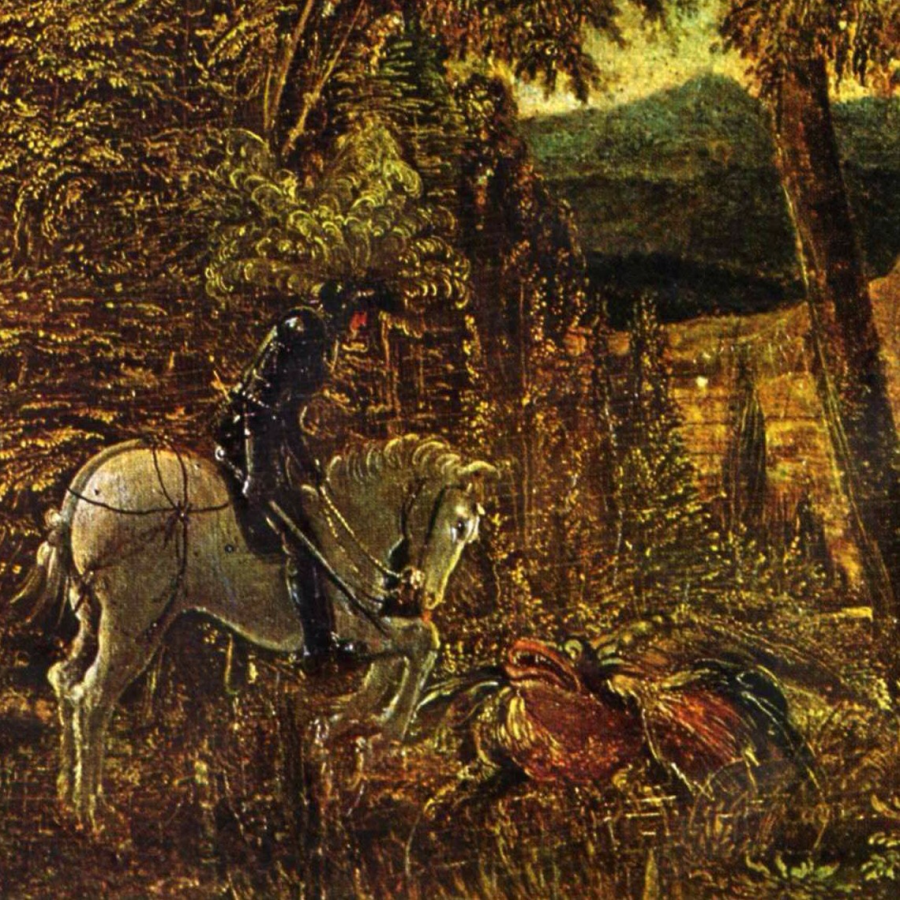
The dense forest dominates a tiny Saint George looking diffidently at the rather uninspiring dragon. His horse doesn’t fancy it much, and the whole scene – robbed of the customary ‘damsel in distress’ of Uccello’s has a ‘more in sadness than in anger’ feel.
IMG_3149.PNG

Here’s what Daily Art App has to say:

This tiny panel (22.5cm x 28cm) is filled with the ferocious wildness of the forest, from which the lumpy, froglike dragon seems to emerge, slobbering with primordial slime.

In a little window where the trees open, the light of the outside world burns through. St. George is not in the act of killing the dragon—rather, he seems to be looking down on it with pity. His lance hangs limply at his side.

Altdorfer’s George looks tired, his armor is dingy, and the horse seems to shrink back in disgust at the sight of the formless, murky dragon.

The figures become lost in the ferocious foliage (ferocious like the dragon traditionally should be) which threatens to choke out the figures themselves (who should traditionally be the focus), and they all seem to merge into monochrome.

The knight seems to be musing on something within himself which he knows he must slay in order to leave the dark forest of the unconscious and emerge

Although Uccello’s is one of my favourite paintings (forever associated, in my mind, with the buzz and bustle of London due to its place on wall panels at Charing Cross tube) Altdorfer’s is more my type of Saint George.

A thing to be done but not revelled in. A certain amount of ambiguity, a fearful horse and a lumpen unfortunate dragon – a moment of pause and perhaps uncertainty.

Few true acts of ‘bravery’ in real life are as clear cut as Uccello’s. Most have the ambiguity and uncertainty of Altdorfer’s Saint George – which usually makes them all the braver.

The Farm

IMG_3003.PNG

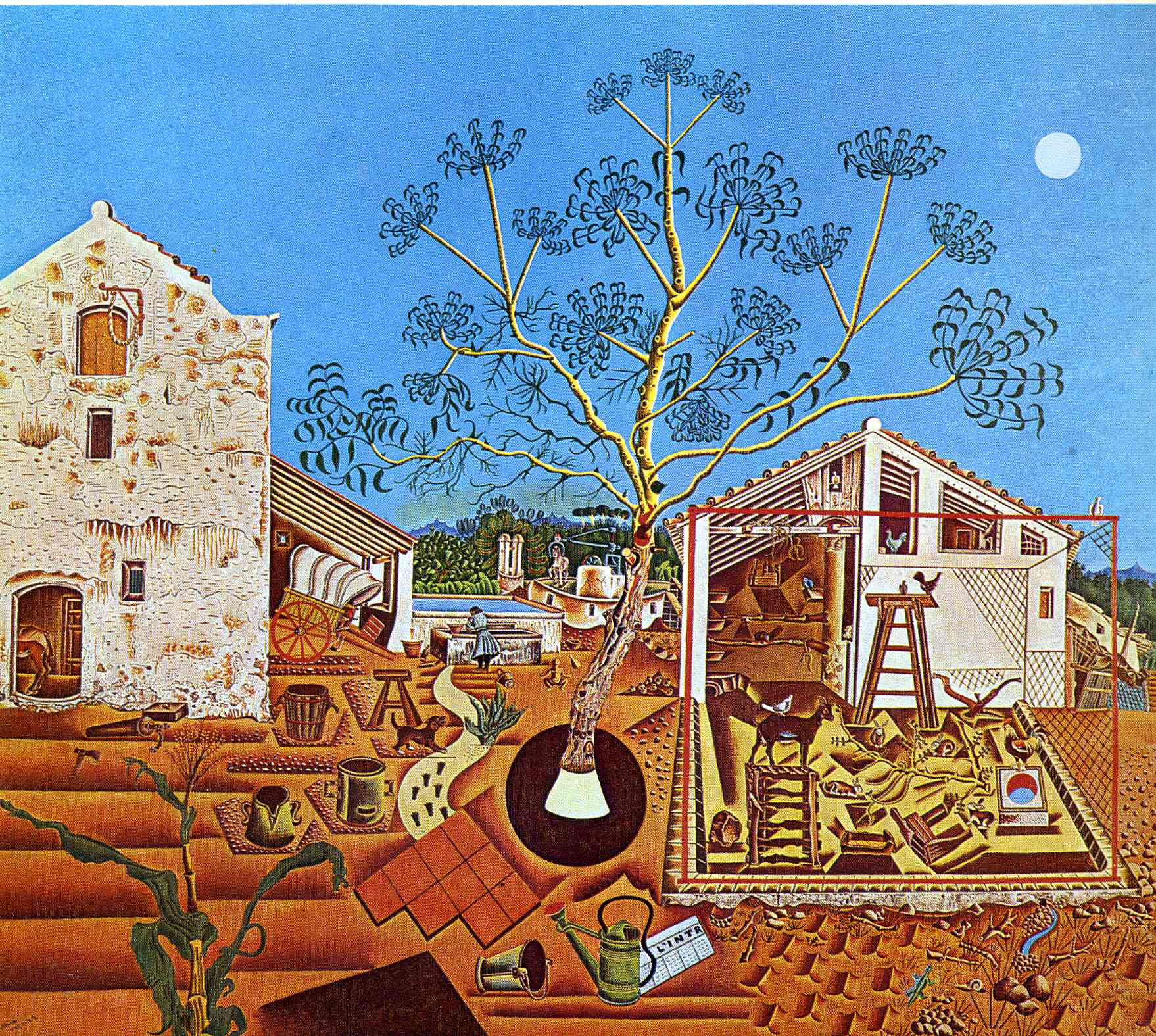
Funny how life throws things together… I got a book from the library on Joan Miró, finally got round to reading it; then he appeared in my DailyArt App – and thus ‘The Farm’ (above) came to symbolise my week.

According to DailyArt:

Miró wrote “The Farm was a résumé of my entire life in the country. I wanted to put everything I loved about the country into that canvas-from a huge tree to a tiny snail.”

Miró spent as many as eight hours a day for nine months working on this painting, for which he then struggled to find a buyer in a Parisian modern art market crazy for Cubism.

Much like Miró, I sometimes think of my working life as being like working a farm. It has its annual rituals, seasons and festivals – planning, budgets, conferences etc.

It also has its fair share of the features of Miró’s farm: cockerels crowing, structures we all talk about but haven’t actually built yet (like the red frame of the non-existent barn) and hard working folk like the washerwoman in the background – who are easily missed, but quietly getting things done.

Miró’s farm, like mine, has lots going on. But the most important thing, is to recognise the blue sky and solid structure to the left. It’s easy to forget; the fundamentals of the farm aren’t bad, especially when you look at the big picture.

IMG_3004.JPG

Broken Wings

IMG_2996.JPG

A great many birds with broken wings or ruffled plumage, have come to perch in my tree in recent weeks. Human beings are fragile and so easily damaged – usually by each other.

We all like to believe life is fair. So, in the end, very few people are able to cope well with anxiety or things going badly for them.

We were taking about this at home the other day, asking the question:

“Is it possible to communicate to other people you are stretched, stressed or tired yourself, without being pissy, shirty or sad with them?”

Probably not. Because ‘pissy’, ‘shirty’ and ‘sad’ are exactly the ways we communicate stress. To do it any other way just confuses people – or they simply don’t hear.

So for the various birds; small and large, young and old; who have come to unburden themselves on me, there are only really two ways to be:

1) ‘pissy’, ‘shirty’ or ‘sad’; and quickly break both their wings so they never come back to my tree again.

2) reach for patience, tolerance and kindness; give away some all-too-precious time, and hopefully help them a little, to fly onwards.

I’ve mostly managed the latter. Some are still chirruping in my branches. Some are permanently nested there; so they are to be lived with.

But at least a few have gently flapped away with splinted wings or smoothed feathers. And that’s a success of sorts. Kindness is always the best answer.

Successories

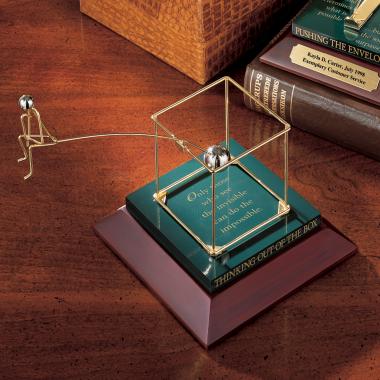
thinking awardWhen wooing my beloved over a decade ago, we were brought ever closer by the Panglossian ridiculousness of ‘Successories’. We used to regularly send each other a Successories enhanced message, to bring light relief to the odd grey working day.

A particular favourite was the ‘Thinking out of the Box’ award (above) which, perhaps, only its creator truly deserves.

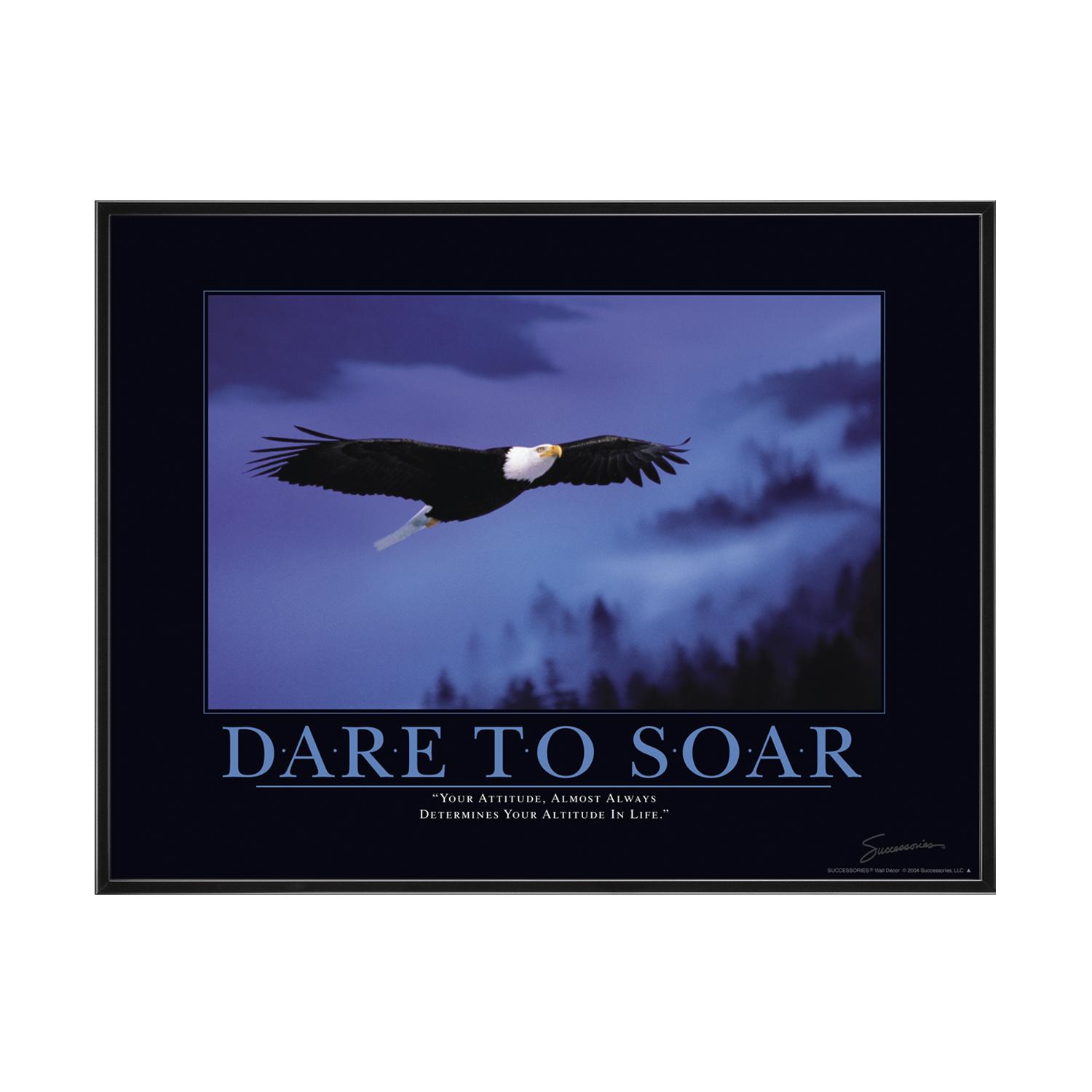
Different cultures like different things, but the over-the-top positivity of the assembled animal posters and dramatic landscapes, strikes a bum note in the average British office. Dare to Soar (below) is a meeting room classic which rarely raises anything other than a snigger. It’s just not the British way.

20957_zoom_double_732814

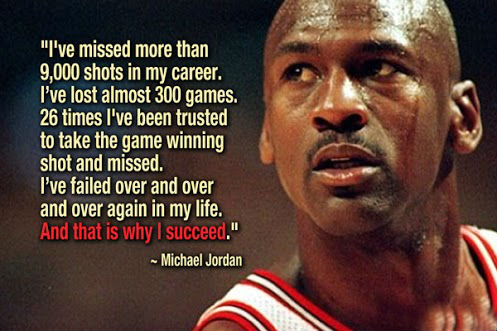
But once in a while, a motivational quote does hit the spot. Spotted on Instagram, despite myself, Basketball legend Michael Jordan’s simple maths have helped me this week.

Ive-missed-more-than

No-one likes to visibly fail – but if Michael Jordan could do it 9,000 times, perhaps I can forgive myself the odd ‘attempt’ which doesn’t land first time.

“If at first you don’t succeed, try, try, try again” is a good motto, but one I’ve never really liked that much in practice. Sometimes though, on some things, you just have to keep shooting the hoops.