Concrete or Casuistry?

img_1472

casuistry (kazjʊɪstri) noun: the resolving of moral problems by the application of theoretical rules.

As I continue my voyage through Dietrich Bonhoeffer’s Ethics, I also continue to be astonished by the man. Limpid paragraphs of dense and pure meaning, sweeping historical context – and tub thumping Christianity. A heady mix.

But the page which stuck with me this week describes the challenges of Christian ethics; but also the constant challenge of modern organisational life:

“The attempt to define that which is good once and for all has always ended in failure. Either the proposition was asserted in such general and formal terms that it retained no significance as regards its contents, or else one tried to include in it and elaborate the whole immense range of conceivable contents, and thus say in advance what would be good in every single case; this led to a casuistic system so unmanageable that it could satisfy the demands neither of general validity nor of concreteness.”

Pretty much every strategy exercise or major organisational change programme I’ve ever worked on has wrestled with this. As Bonhoeffer puts it, the conflict between the ‘good’ and the ‘real’.

Bonhoeffer argues for concrete not casuistry. Not a bad place to go, not least given how bad things were in his times. But I go with Aristotle’s ‘golden mean’; the ‘good’ is always somewhere in the difficult and constantly contested place in between.

My left foot

Nearly a year ago I was preparing myself for a big change: a change of job, role, sector and working context.

About the same time, I decided to change foot. For over 15 years of cycling to work, pretty much every day, I’d always rested and hopped about on my right foot – at the many traffic lights and junctions to and from work; the left leg never used, bent double, toe strapped in toe clip.

Result – a dodgy left hip and a chronically sore tendon at the back of my right knee. 

If you’re going to change some things; why not change everything, was my reasoning: job, route and standing leg. And so I was wobbly, uncertain, off balance and uncomfortable on my bike – just as I was in the new job. Great idea!

But in a way, learning to stop, stand and push off on my left leg has been a metaphor for my life and the year at work. 

Many was the time in a long cold winter and an endless wet spring, I yearned for the certainty and sure footedness of old. But the other day on a summer cycle in, I noticed I am unconsciously surer now, left-footed on the bike – more confident in my balance and stronger kicking-off.

A year of trying something new, and it has become something I can more or less do. Much like my job. Practice makes perfect; we’re never too old to adapt and learn. 

Peace in our time

After some months of high emotion, major change, turbulence and anxiety; this morning I woke up knackered – but at peace.

My other half greeted me, observing I looked like ‘death warmed up’; sleepy, unshaven and generally out of it as I staggered into kitchen. True, but that wasn’t the point….

Some minutes later: accompanied by a nice piece of classical music, porridge on the boil; duck ramen, a bunch of flowers and a trip to Sainsburys in my plans – normal service has resumed.

Not that ‘change’ is done. More that it’s here to stay and be lived with. There’s a stack on at work, the kids are growing faster than feels comfortable, and we’re none of us getting any younger…

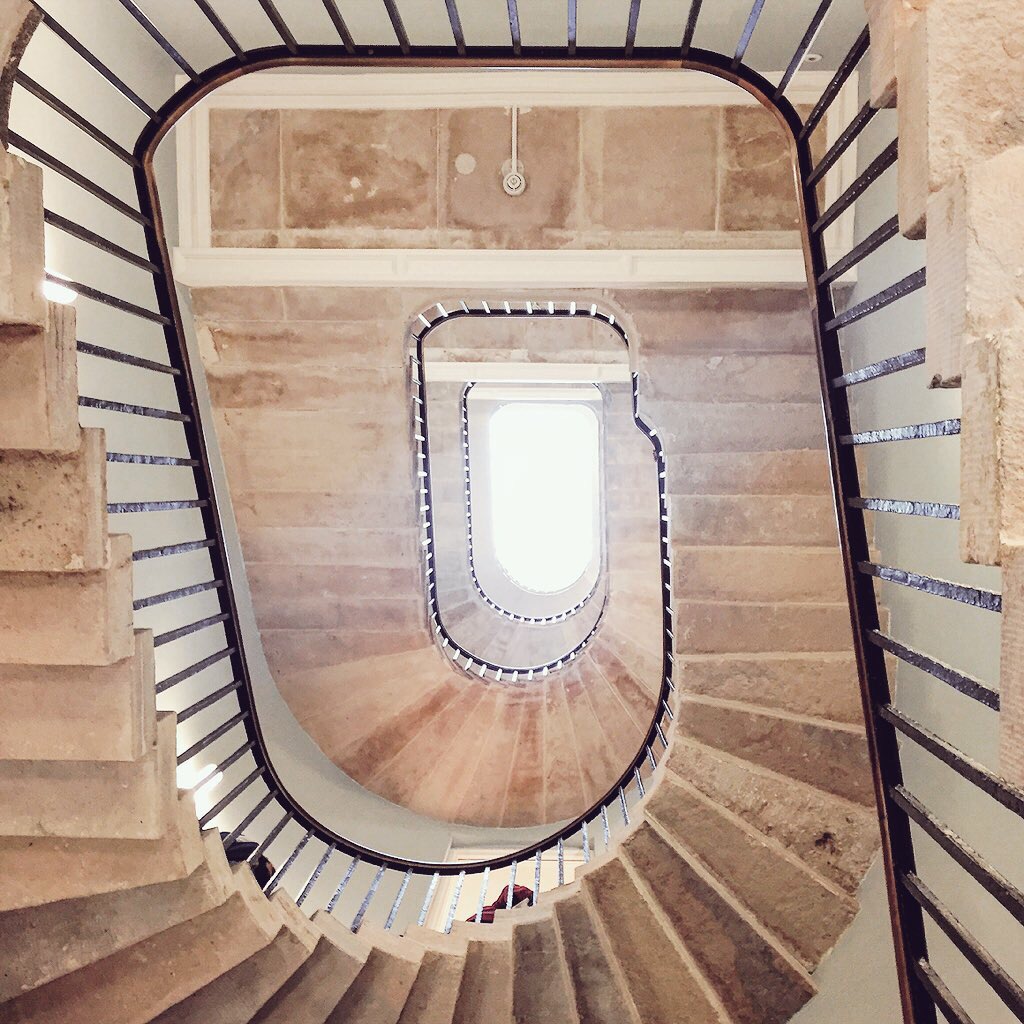
But yesterday for half term, my smart cookie of a daughter and I toured the architectural wonders of my new workplace, two museums, Chinatown, saw Giacometti sculptures, bought books and ate Japanese.

Perhaps that’s what’s fixed me. I don’t feel rattled, restless or anxious – for the first time in weeks. I just am. And she’s nearly finished munching a ham and cheese croissant in front of me now, so back to it.

Ladybirds

  
After a wonderful week of goodbyes, this morning, I feel my ladybird has begun to peep its head out from the proverbial matchbox (see my leaving card above); to see a bigger world and a brighter future.

I’ve been working in or adjacent to government for nearly 15 years. And while Aristotle felt politics to be the highest of human endeavours, a quick scan through these quotes of his pretty much covers the many pitfalls.

  
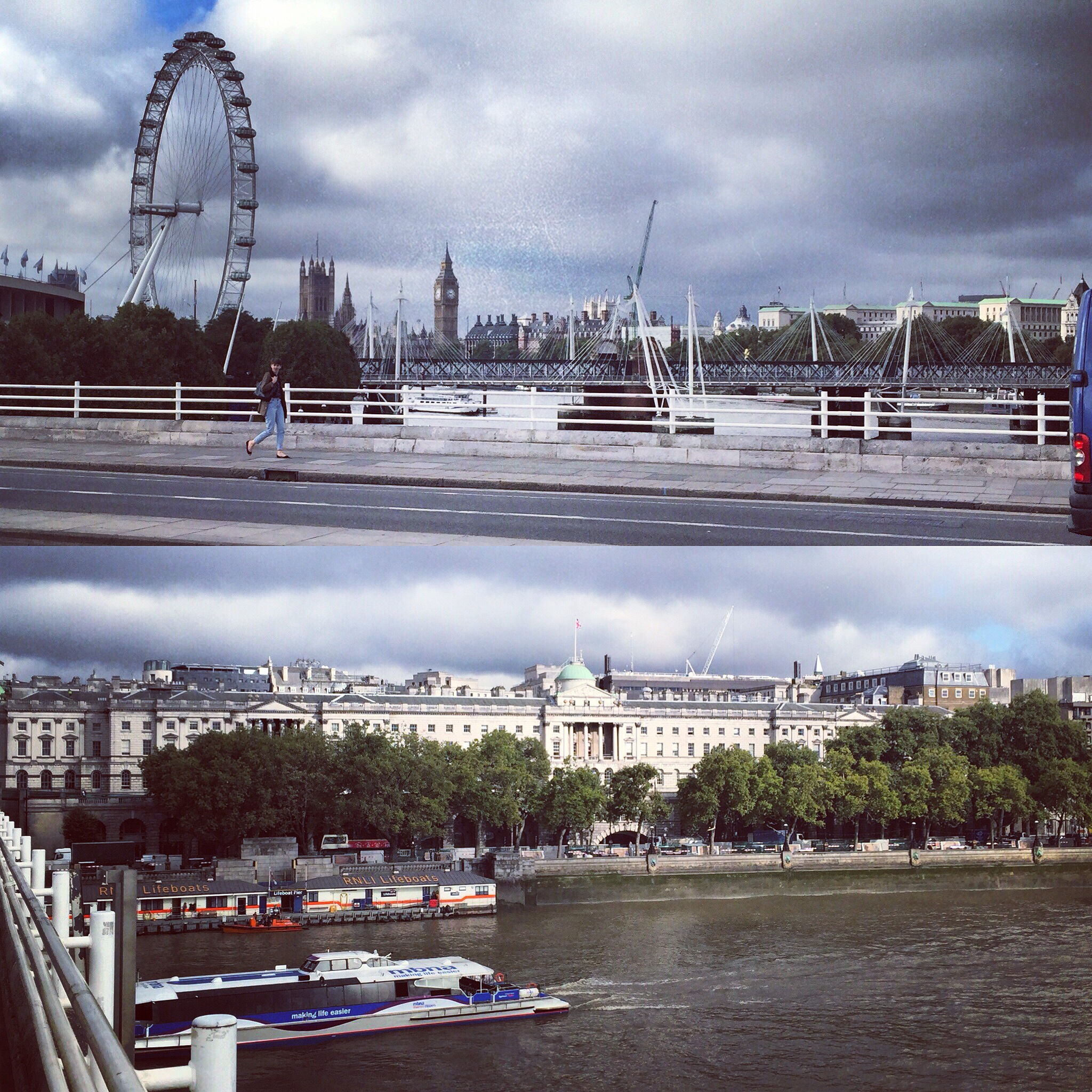
Yesterday I crossed a new bridge to work – Waterloo instead of Westminster; and spent the afternoon at a ‘freshers fair’ watching excited new students sign up for everything from touch frisbee to Russian Club. My new university life came to life.

And today the sun is shining. It’s all change – but a good one I feel sure.

Status

I’ve been really struck in the past couple of weeks by how much some people define status in their lives through work. I was talking to a smart guy I’ve not seen for a couple of years about his mother who had a very big job, but was also refreshingly down to earth. He said “she recognised she had a serious job, but didn’t take herself too seriously because of it”.

This strikes me as a good approach. Some people have greater status needs than others. I think mine are less than many people’s. But I do also wonder if I think that, to some extent, because they are more than amply filled by my current job. Last week I did a speech to 100+ people on the 40th floor of a major bank to generous applause. I used to fear these sorts of things, now I almost enjoy them, but the fringe benefit is to feel I have a serious job, even if I don’t take myself too seriously because of it.

But in these recessionary times we all wonder from time to time whether this status might be rudely taken away by redundancy or our face not fitting. I know a couple of good, experienced people who got the bullet this week. In some ways worse is the more realistic realisation that I will likely be taking some people’s employment away from them in the coming months. I feel bad about this and think about it a lot.

I was talking to another professional in a different field about this on Friday and he said “hard decisions should feel hard”. I think he’s right, it’s all too easy to switch off your emotions, don the protective armour of ‘managerialism’ and simply ‘do what’s wanted’.

I think to downsize with care, empathy, kindness and self-respect is do-able. Engaging with people as people, not losing my humanity or switching off my emotions is an important part of doing this well. And ultimately if I am asked to do something I feel is wrong, finding the courage to say I feel it is wrong and being brave enough to risk my own job and status feels important too.

The paradox of job cuts is what’s brave is to do the right thing for the many as well as deal with individual people with care, integrity and humanity. The cowardly thing is to ‘act tough’, switch off your emotions and use the excuse of managerialism whilst saving your own skin.

What looks and is often rewarded as ‘tough’ in job cuts is in fact comparatively easy in my experience. What is hard is caring, thinking fully about the consequences of what you are doing and doing it right.