Gaia II – Truth and Beauty

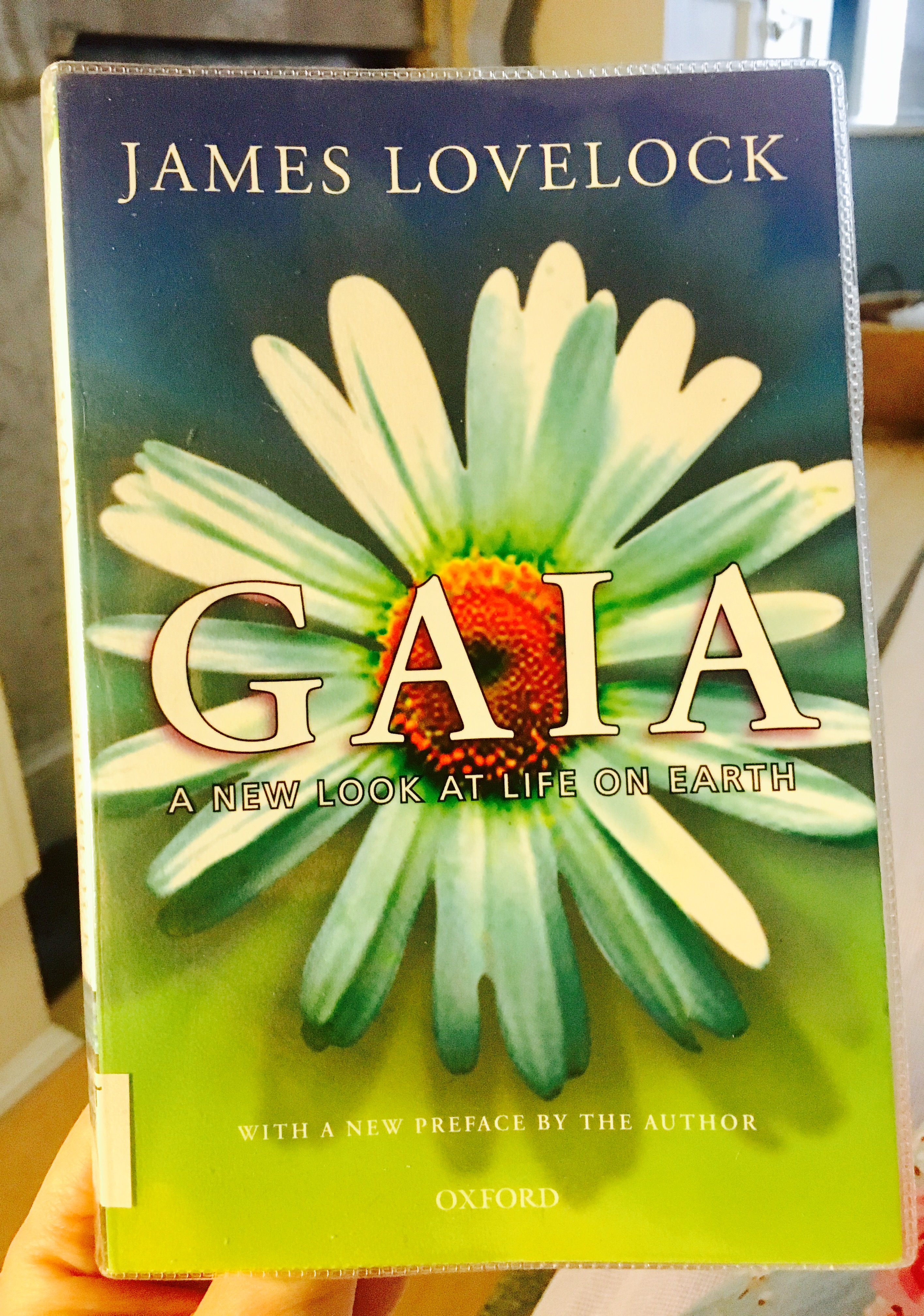
James Lovelock ends ‘Gaia‘ with a rather profound summary: 

To every thing there is a season, and a time to every purpose under the heaven: a time to be born, and a time to die; a time to plant, and a time to pluck up that which is planted.

I returned, and saw under the sun, that the race is not to the swift, nor the battle to the strong, neither yet bread to the wise, nor yet riches to men of understanding, nor yet favour to men of skill; but time and chance happeneth to them 

Beauty is truth, truth beauty – that is all Ye know on earth, and all ye need to know.

I googled for the origins, and should have guessed the first two paragraphs – they are from the King James Bible; Ecclesiastes 3. 

But the third line is interesting too. If indeed ‘beauty’ is the lion’s share of ‘all ye know’ and ‘need to know’ on earth, and ‘truth’ the rest; does this give a simple recipe for the ‘good life’? 

Perhaps not quite that simple. The meaning of this line from Keat’s ‘Ode on a Grecian Urn‘ has been heavily debated down the years.

Still – this week I found from myself looking at nature more intently as a result of Lovelock and Keats. But Lovelock’s own ‘last word’ set me thinking too…

There can be no prescription, no set of rules, for living within Gaia. For each of our different actions there are only consequences.

This connected my with my developing ‘inner Buddhist’. Life takes is course; many thing happened before us and many more will happen after. 

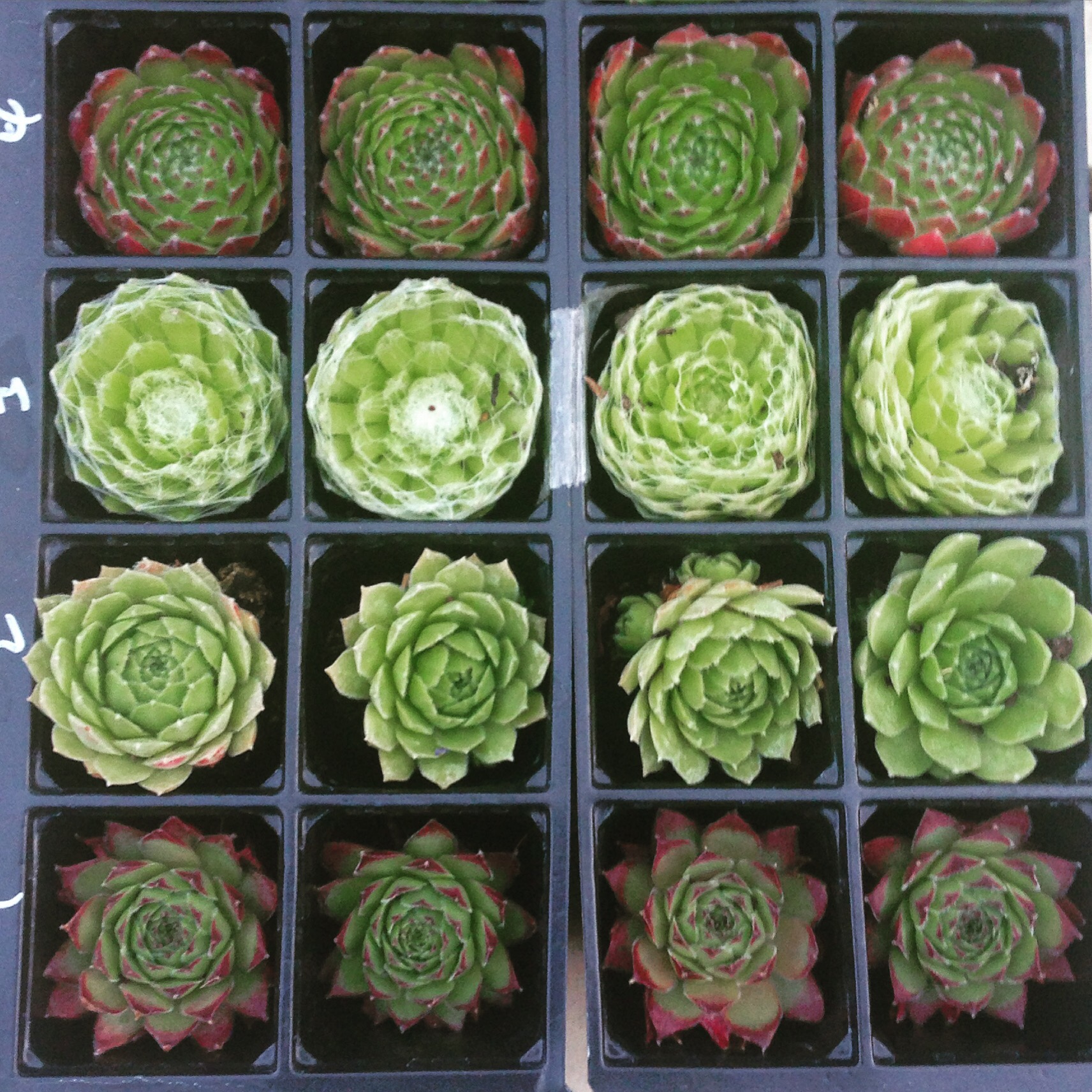
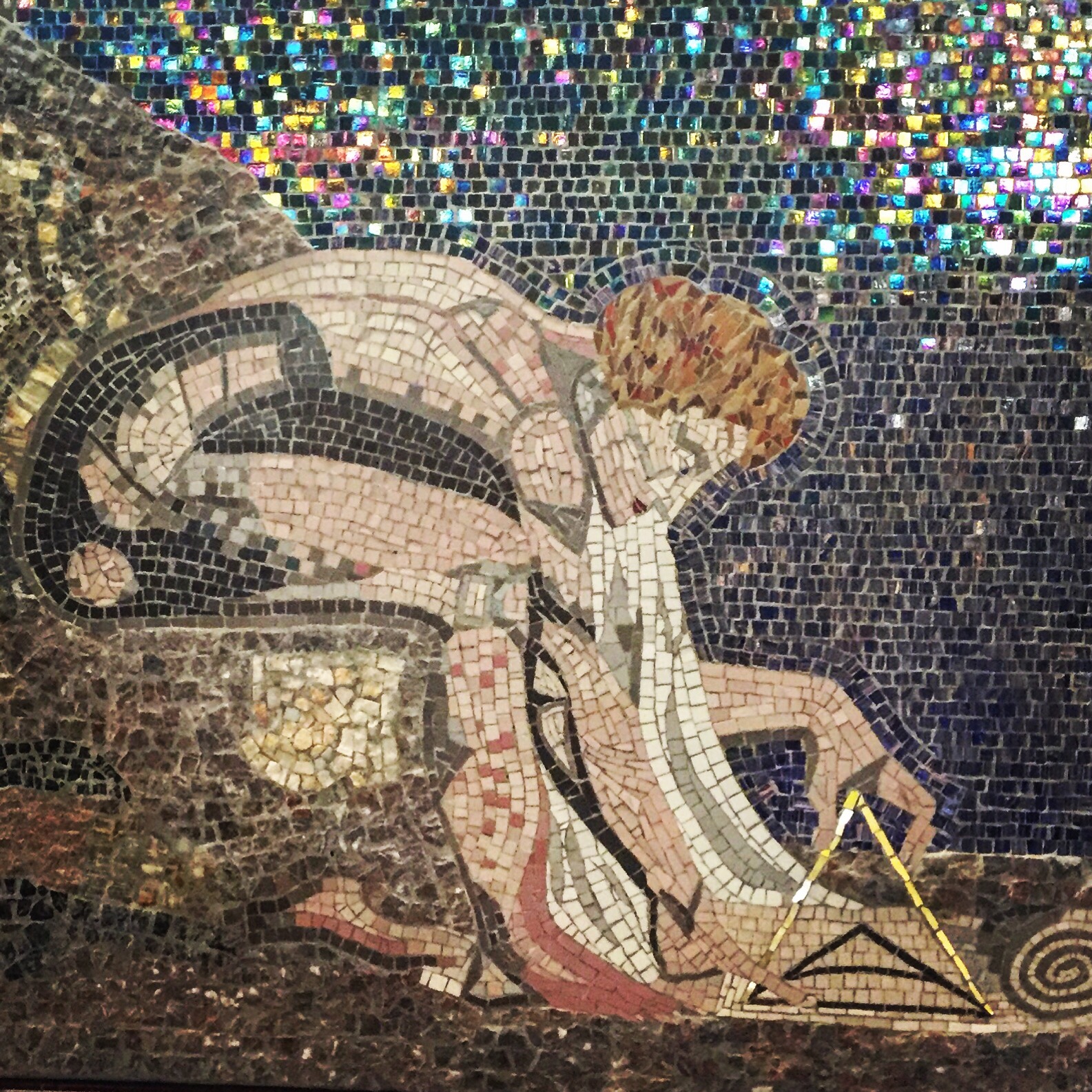
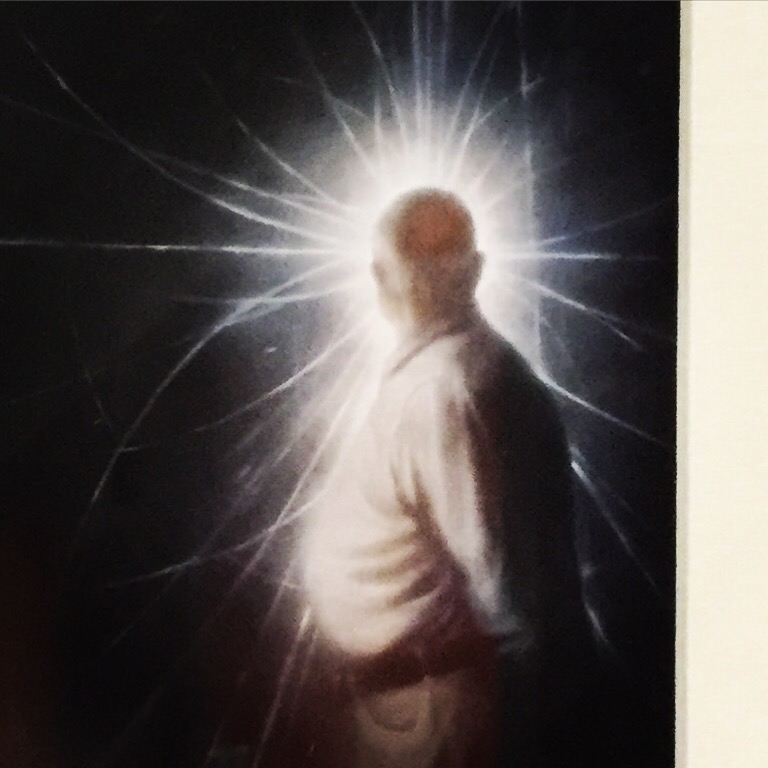
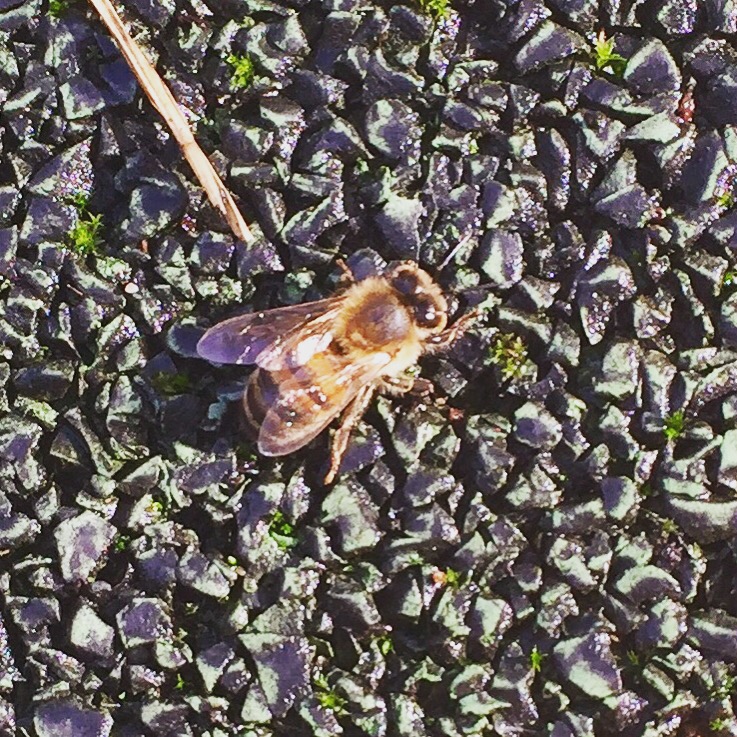
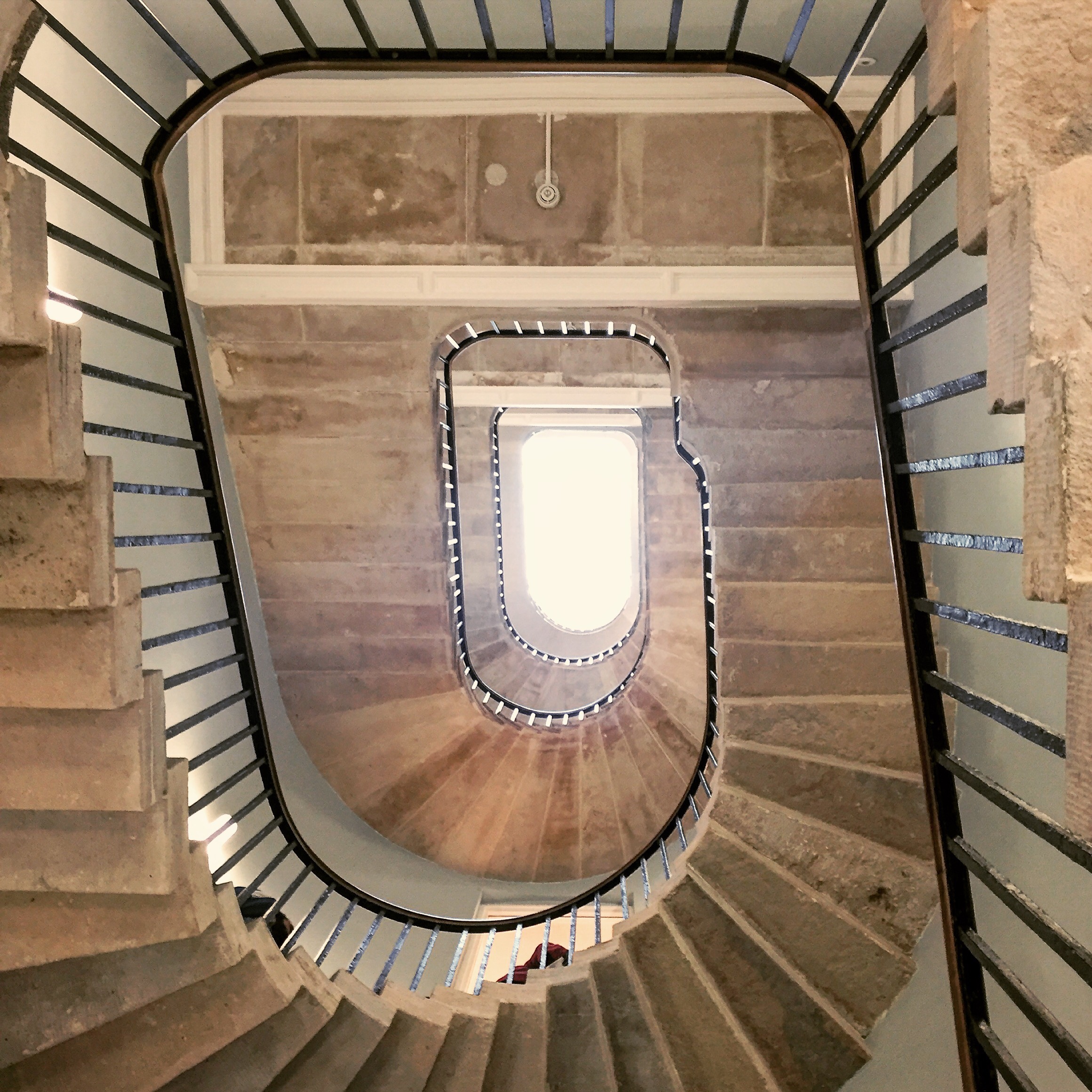
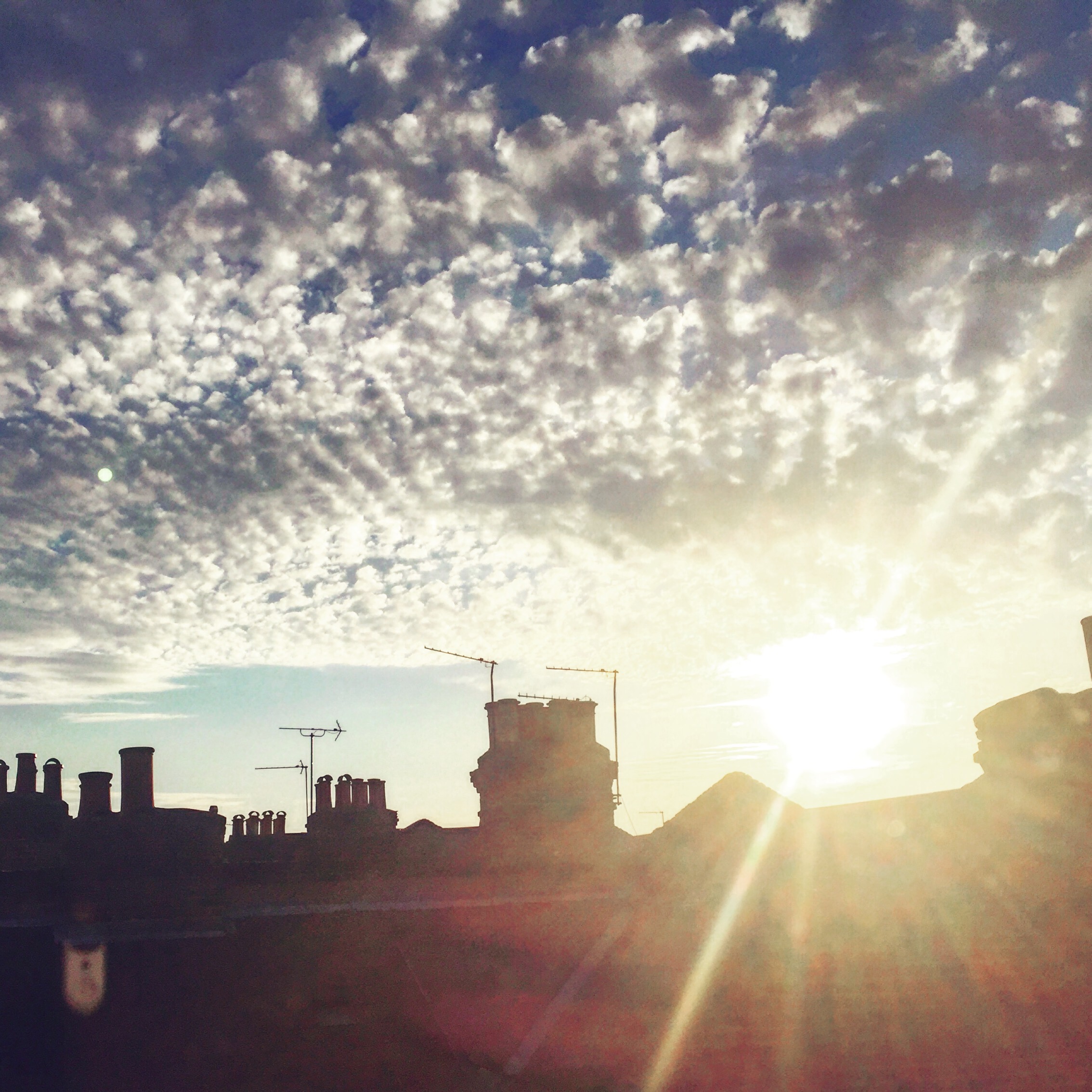
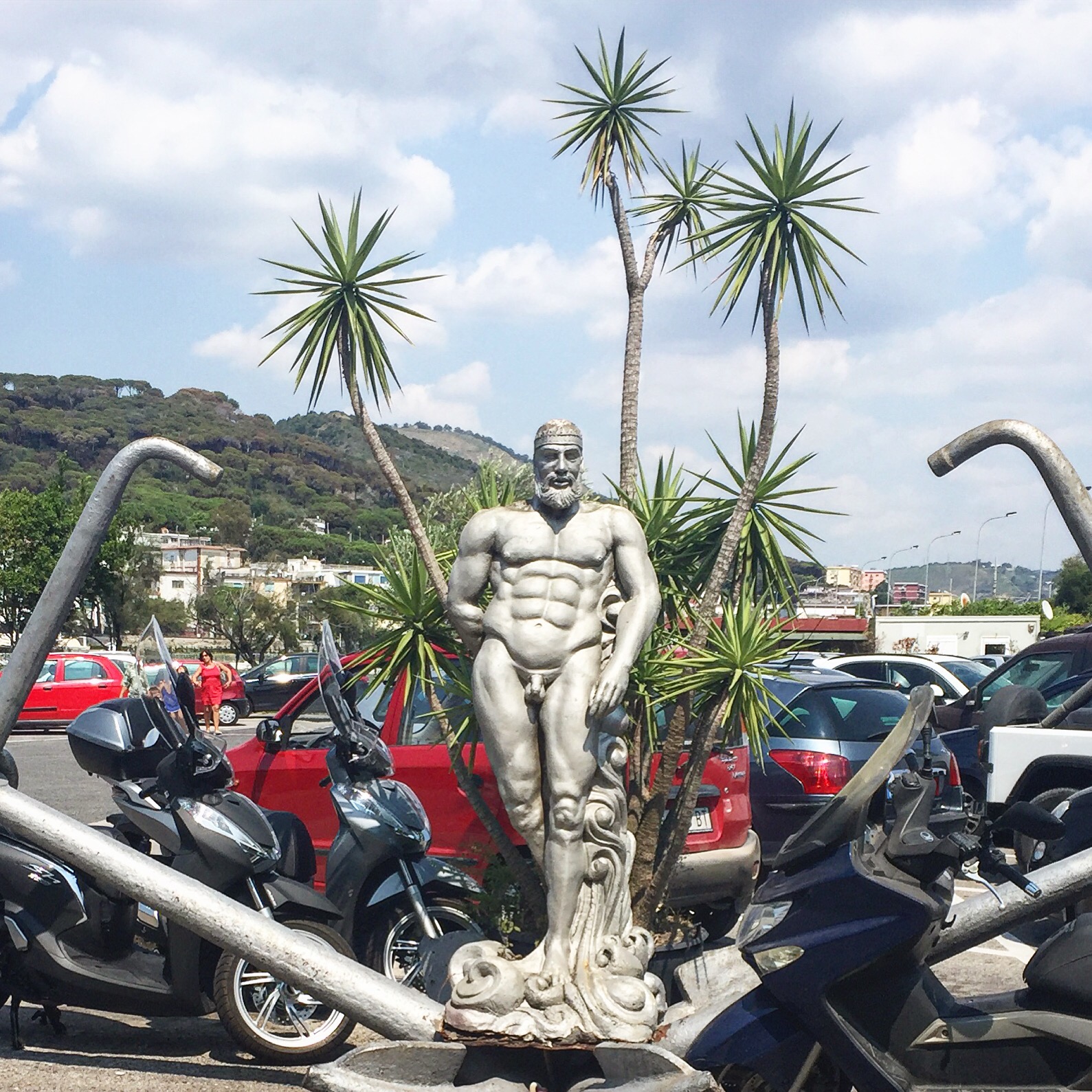
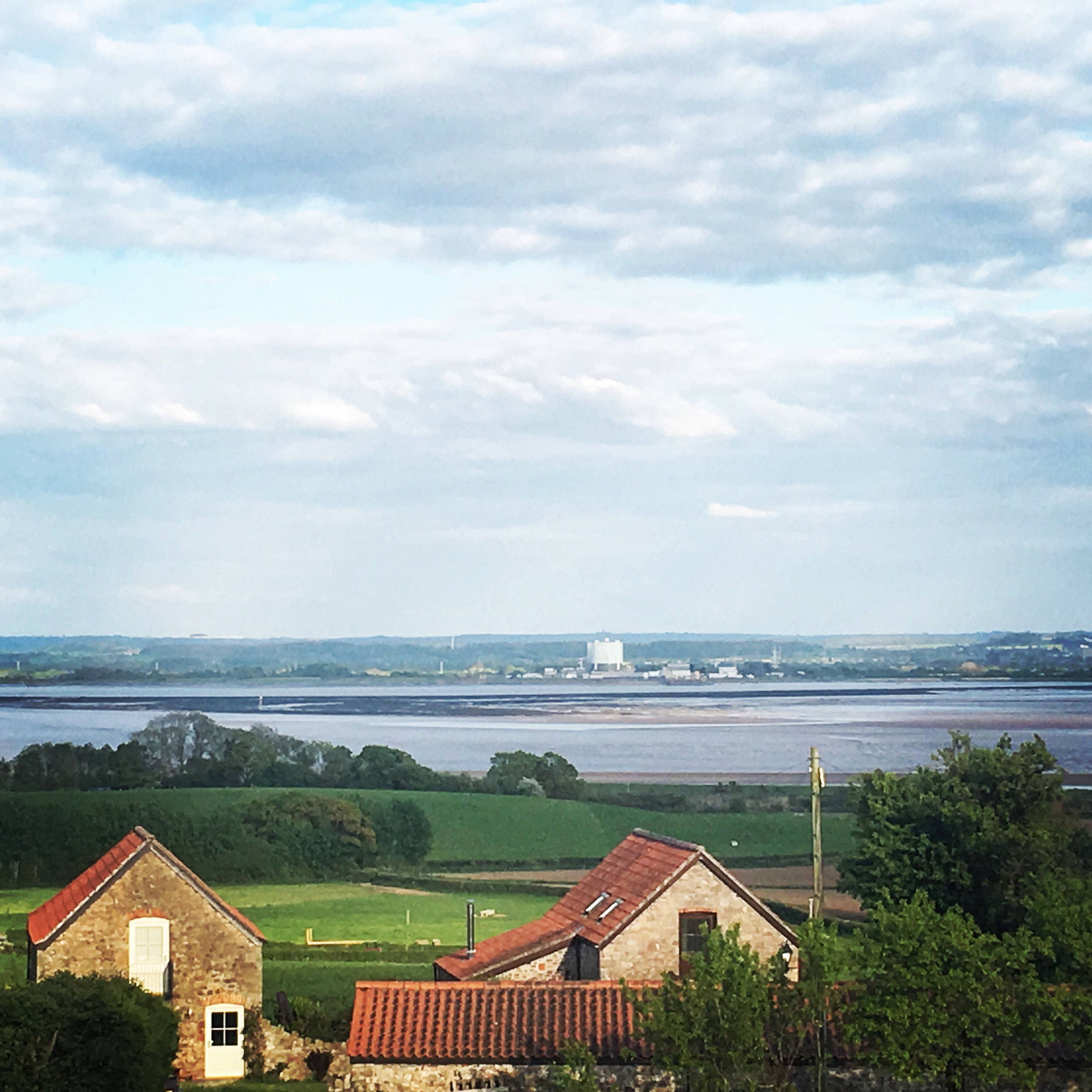
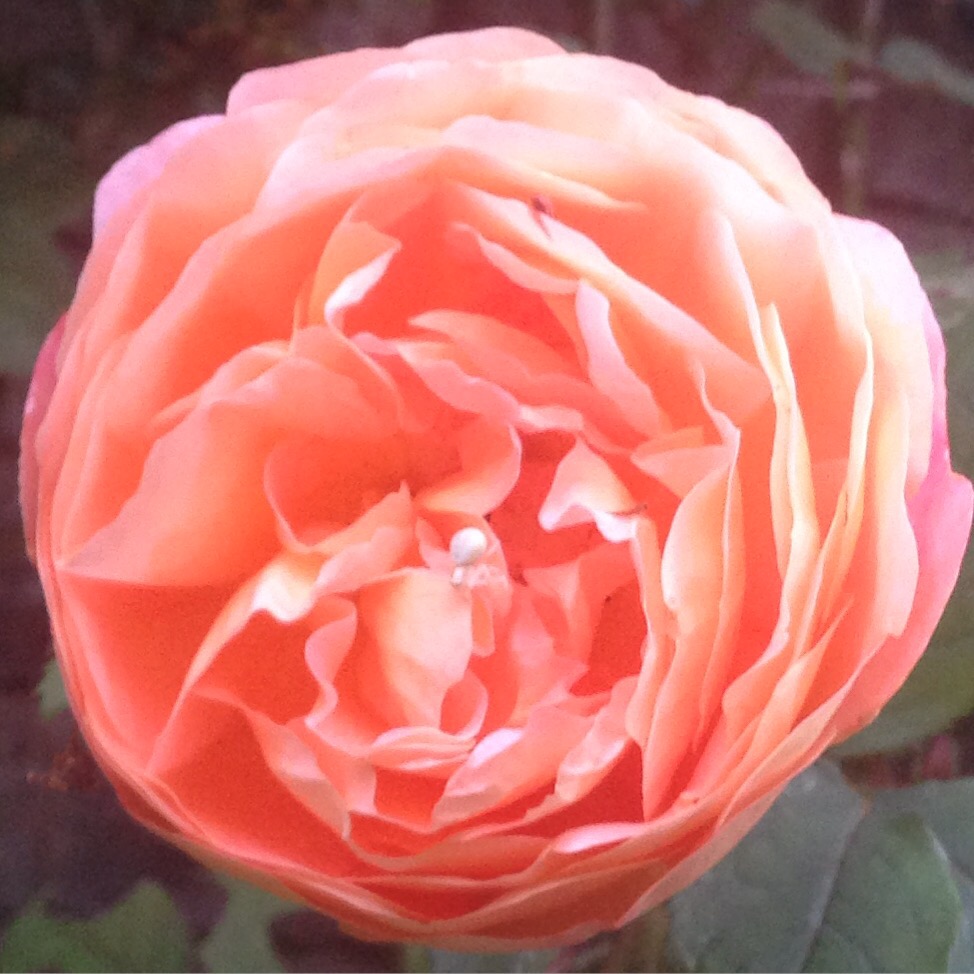
This morning, I scanned my instagram photos from the last few years, to look at what I take photos of… 

Far from exhaustive; but a funny old selection of the beauty of nature, mankind’s profound and profane imprint on it – and our ongoing search for truth…

Truth and beauty might not be such bad guides. 


Ecclesiastes – King James Version 

To every thing there is a season, and a time to every purpose under the heaven:

A time to be born, and a time to die; a time to plant, and a time to pluck up that which is planted;

A time to kill, and a time to heal; a time to break down, and a time to build up;

A time to weep, and a time to laugh; a time to mourn, and a time to dance;

A time to cast away stones, and a time to gather stones together; a time to embrace, and a time to refrain from embracing;

A time to get, and a time to lose; a time to keep, and a time to cast away;

A time to rend, and a time to sew; a time to keep silence, and a time to speak;

A time to love, and a time to hate; a time of war, and a time of peace.

Whatsoever thy hand findeth to do, do it with thy might; for there is no work, nor device, nor knowledge, nor wisdom, in the grave, whither thou goest.

Quiet 


Some weeks back I was talking to someone at work about the racket going on in her head. Too much on her mind.

As luck would have it, I’d just started reading a book which tackles the issue head on: what is all the noise in between our ears about…

In a nutshell the thesis is that we all live with a ‘noisy narrator’ in our heads – who is trying to be helpful but just can’t stop pointing things out, making suggestions, presenting arguments and/or things to remember or worry about. 

And the internal narrator likes nothing better than presenting competing options, then contradicting itself and coming up with wild half-baked fears and anxieties. All of which is ready and constant source of angst, brain ache and worries.

But that’s not the half of it… once you pay attention you notice your chatty companion also loves the banal and distracting – look at that tree; fancy a latte; what time is it; fancy humming this tune?

Now like most people I’d always assumed the restless, ceaseless, constant chuntering in my head was me. But the argument in The Untethered Soul’ is that you’re not the narrator… you’re the one quietly listening.

It’s a bit like being in a cinema; detach yourself from the action onscreen and you notice you’re sat in a row of chairs immersed in the film – but the observer of it; you’re not in the film.

It’s a bit strange the effect this has. Combined with taking a breath (of which more anon) I find myself experiencing quite a lot of quiet…

Of course it’s easy to switch the constant stream of ideas, actions and reactions back on; that’s still the default setting. But I do find myself sitting quietly and staring into the middle distance a good deal at the moment.

Quiet it seems is just that; quiet. It’s a whole new experience, but I quite like it.

Gaia 


I’m reading James Lovelock’s famous ‘Gaia’ – the first airing of the hypothesis that the planet (and not just we creatures on it) is itself a self-regulating living system.

Lovelock got plenty of stick for this book. A scientist accused of straying into mysticism and anthropomorphism for personalising Gaia as a ‘being’ or a ‘living thing’; not just a bunch of chemical and physical processes.

He freely admits in the later foreword, that he had to write a much more dull and prosaic version to get anywhere with the scientific community. 

It’s one of those books like ‘On the Origin of Species’ which more people will know of than will read. But I’m glad I picked this out of an otherwise lifeless ‘Science’ shelf in the local library. 

It’s a super read. And even allowing for all that has changed in our knowledge and understanding in the 40+ years since it was written; like ‘On the Origin of Species’, you feel you are witness to a remarkable moment of synthesis. A whole array of concepts and ideas join together in one person’s mind and become a new picture on how the entire planet – and possibly the whole of creation works.

The simple facts of how the ‘perfect’ level of of the supremely reactive ‘vital’ ingredient oxygen (21%) is kept in the atmosphere are fascinating. It simply could not and would not be there without deeply interconnected living systems. 

Similarly the seas – without Gaian processes they’d get saltier and saltier within 80 million years; instead of the aeons at a stable 3.5%, which allows half the earth’s biomass to life in three-quarters of its surface.

It’s a terrific read. A moment in historic and scientific time maybe; but as important a science book as has ever struck the popular conscience. It’s also a book which reminds us that the planet we live on is so much more wonderful than we yet understand.

To infinity and beyond…


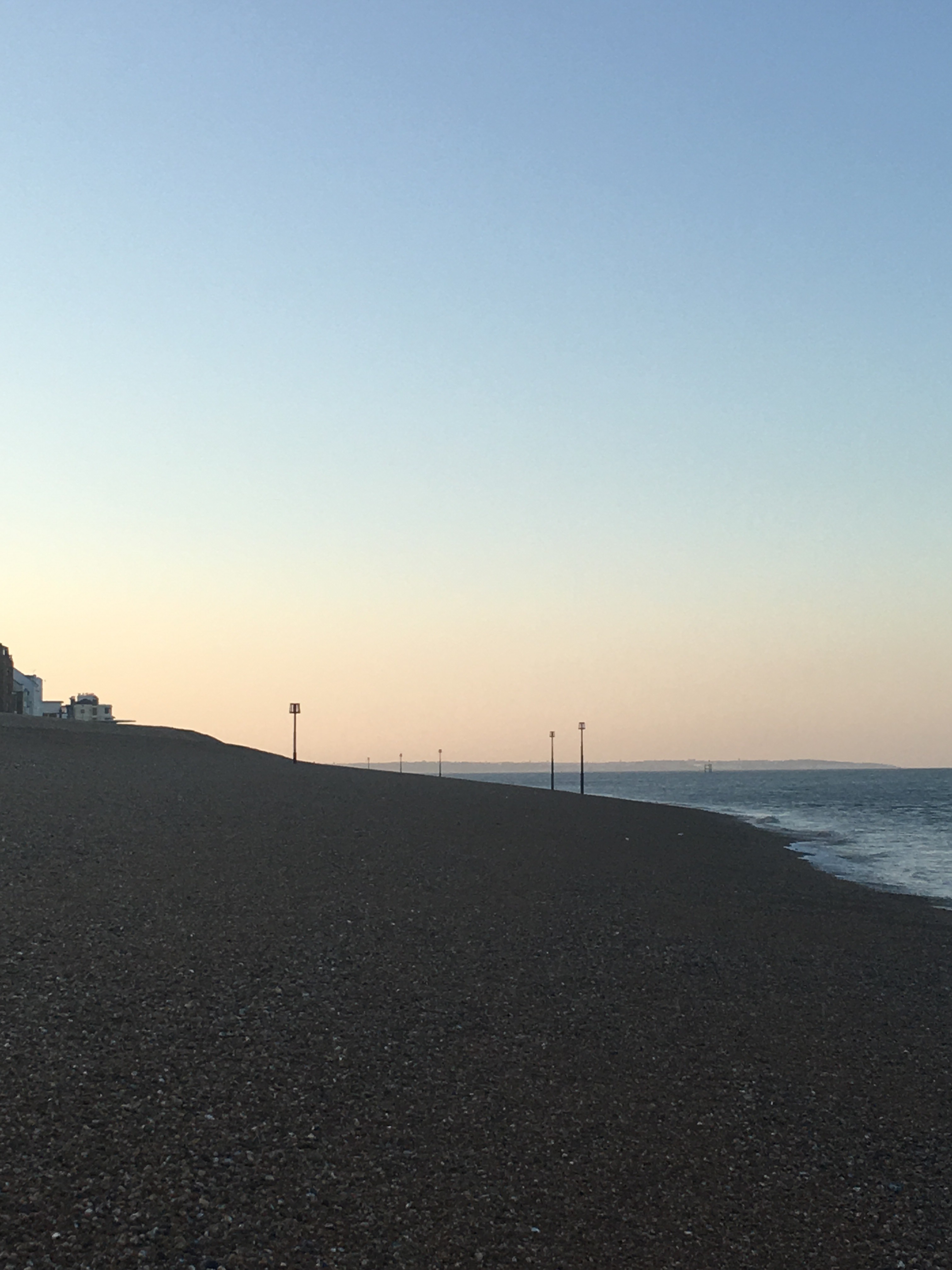
Last weekend at twilight by the seaside, I took this photo. 

It picks up a theme I’m reading about at the moment; which is getting into the habit of looking a little beyond what’s happening right in front of you. 

Simple really – look up… 

Urban life is so full of people, noise, distractions, aggro, interruptions, obstacles and incidents. But if you look up at the sky or the far horizon they all melt away. 

It’s a clever trick… As we were driving to the seaside a football flew out of a local park and slapped hard into the side of the car with a very loud thud. Just a quick look at the clouds and the moment had gone…

This is not an argument for indifference or distraction – quite the contrary. When you look up you see things: trees, clouds, birds, fine rooflines, planes; or sometimes just the limitless sky, which expands into the boundless upper atmosphere and on to the unending universe. 

It’s simply that when you look up; it’s almost impossible to feel down. 

Everybody’s talkin’ at me…

I sat through nearly two days of interviews this week. And, as so often, was amazed by how much people like to talk – and what they shared! 

Surely the most valuable thing to learn in life (and certainly in interviews) is that the most important and influential thing you can ever do is stop talking; all the time you’re talking, you’re basically draining the interview panel’s energy away!

We all want to talk; but if you want to get a job, in the words of the otherwise flawed Aaron Burr, from the wonderful Broadway musical ‘Hamilton

“Talk less; smile more…”